
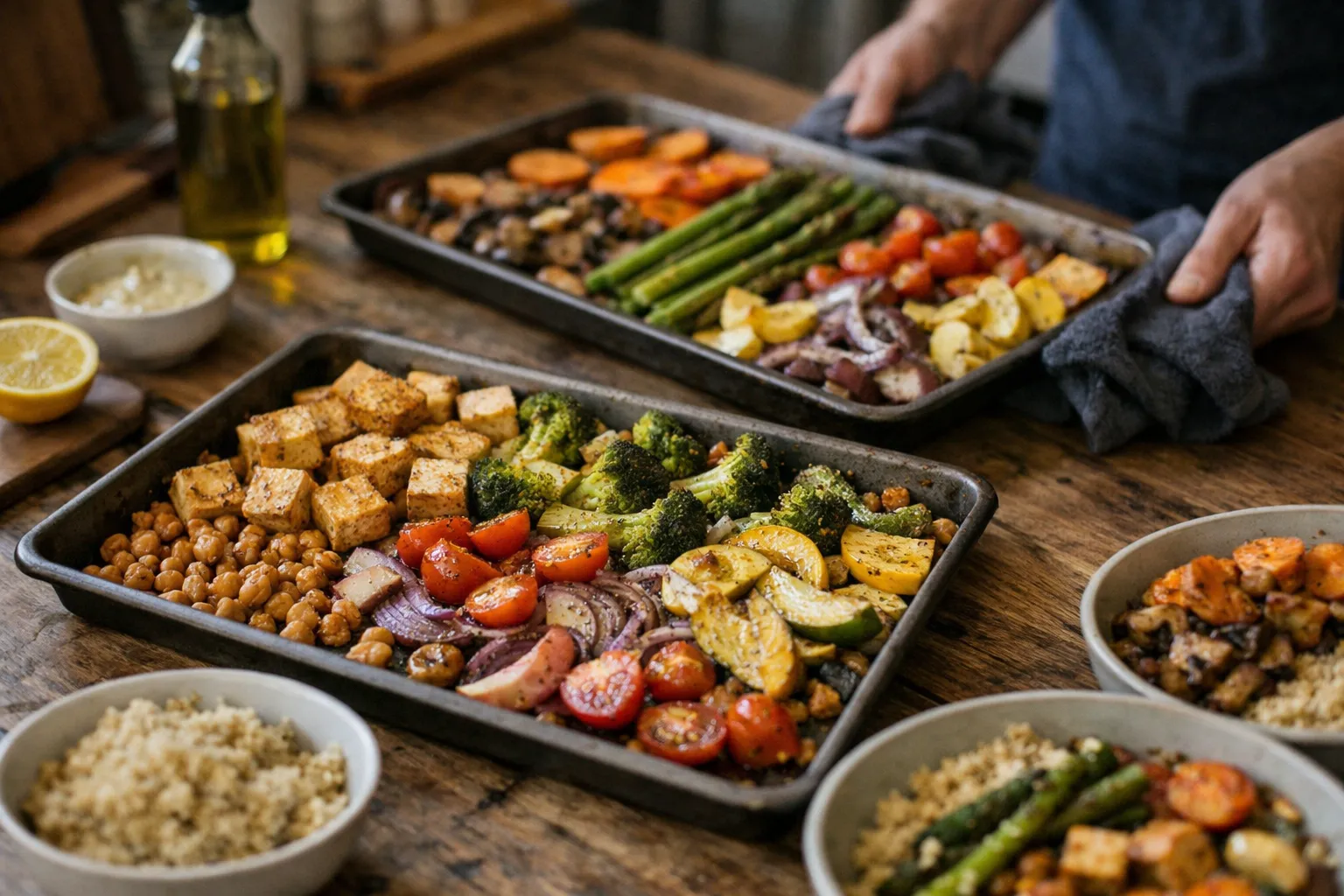
Sheet‑pan dinners are my go‑to when the week tightens but I still want food that tastes like someone took care. This September 2026 update preserves the original promise—20–40 minutes oven time, one pan (most of the time), and easy swaps—while adding what I’ve learned from the past three months of farmers’ markets, test‑kitchen runs and reader feedback. Across the U.S. and much of Europe, late‑summer produce is hanging on (sweet corn, late tomatoes, eggplant) while early fall varieties start appearing (apples, pears, winter squash). I’ve adjusted ingredient notes, added appliance guidance for air‑fryer/steam‑oven owners, and tightened food‑safety and texture tips that reflect what home cooks tell me they need right now.
Methodology — how these were chosen
- Time window: each plate finishes roughly 20–40 minutes of oven time (not counting short marinating or pressing). Designed for two generous servings.
- Real kitchens: I tested each combination on a single rimmed sheet pan or noted when two pans or staggered timing are required to preserve texture. Tests ran on conventional and convection ovens and in an air‑fryer countertop model to gauge timing differences.
- Seasonality & pantry friendliness: ingredients reflect late‑summer/early‑fall availability for September (ripe tomatoes, last sweet corn, eggplant, late peaches/early pears), with swaps for frozen or pantry‑friendly options when fresh is scarce.
- Food safety: cooking times, oven temps and recommended internal temperatures follow USDA/CDC guidance (poultry to 165°F / 74°C, fish to 145°F / 63°C). Use an instant‑read thermometer—don’t guess.
- Practicality & accessibility: recipes use widely available pantry staples and suggest today’s common alternatives (oven‑ready plant proteins, pre‑trimmed veg). I prioritize steps that keep cleanup low and flavor high.
How to use this roundup
- Scan the “Best for” notes in the comparison table to match a recipe to your night—fast, make‑ahead, grill hybrid.
- If veg and protein have different roast times, give denser roots a 5–10 minute head start or use two racks and rotate; in convection mode, reduce oven time ~10–15% and check early.
- When using an air‑fryer or air‑fryer oven, reduce stated oven time by about 15–25% and watch for faster browning. Many manufacturers now advertise oven‑ready plant proteins—follow package guidance but still verify texture and doneness.
- Finish with an acid (lemon, vinegar) or fresh herb—this small step transforms a tray to dinner you’ll want to photograph.
The 10 best sheet‑pan dinners for two (quick facts first)
Citrus‑Roasted Salmon with Fennel & New Potatoes
What it is: Salmon fillets roasted on a bed of thinly sliced fennel and halved small potatoes with orange and lemon slices for bright finish.
Key features: Fennel softens and takes on a sweet, aniseed perfume in the oven; citrus slices protect the fish from the hottest metal while adding juice. Roast at 425°F (220°C) 12–15 minutes until salmon reaches 145°F (63°C).
Why it made the list: Salmon is fast and forgiving; late‑summer markets often still have small fingerling potatoes and fennel. In September I swap orange for a late lemon if oranges are out of season.
Specs & swaps: 2 salmon fillets (6–7 oz / 170–200 g each), 8–10 oz small potatoes halved, 1 small fennel, 1 lemon (or orange), 1 tbsp olive oil, salt, pepper, fresh dill. Vegan swap: oven‑roasted marinated tofu steaks, 18–22 minutes. If produce is past peak, frozen skin‑on salmon portions thawed overnight work well.
Honey‑Soy Chicken Thighs with Broccolini & Carrots
What it is: Sticky honey‑soy glazed thighs roasted with broccolini and carrot batons; glaze goes on late to avoid burning.
Key features: In 2026 I’m seeing more tamari and low‑sugar glaze blends in grocery aisles—use them to control sweetness. Add broccolini in the last 8–10 minutes to keep a bright snap.
Specs & swaps: 4 boneless skin‑on chicken thighs, 8–10 oz broccolini, 2 carrots, 1 tbsp honey (maple for vegan), 2 tbsp soy/tamari, 1 tsp sesame oil. Roast 425°F (220°C) 22–28 minutes; thighs to 165°F (74°C). Vegetarian swap: thick tempeh or oven‑ready plant thighs—follow package times but verify internal texture.
Sheet‑Pan Tofu with Zucchini & Sweet Corn (Vegan)
What it is: Pressed extra‑firm tofu cubes roasted with late‑summer zucchini, corn kernels and cherry tomatoes, brightened with lemon zest and smoked paprika.
Key features: Pressing matters—use a weighted plate for 15–20 minutes or buy pre‑pressed blocks. Flip tofu halfway for even crust; if corn is past its peak, use frozen kernels (no need to thaw).
Specs & swaps: 14 oz extra‑firm tofu, 1 medium zucchini, ½ cup corn kernels, 1 cup cherry tomatoes. Roast 425°F (220°C) 20–25 minutes, flipping tofu once. For a heartier fall feel swap sweet potato cubes (25–30 minutes total).
Za’atar Lamb Chops with Roasted Baby Carrots & Peppers
What it is: Quick‑seared then oven‑finished lamb chops seasoned with za’atar, roasted alongside baby carrots and colored peppers; broil to char if desired.
Key features: Za’atar remains a pantry favorite; the herb‑sesame mixture brightens lamb and pairs well with late‑summer peppers. Rest chops 3–5 minutes after roasting.
Specs & swaps: 4 small lamb chops (or 2 large), 8–10 baby carrots, 1 red pepper sliced, 2 tsp za’atar. Roast 425°F (220°C) 12–18 minutes depending on thickness. Vegetarian swap: thick portobello caps or halloumi (adjust broil to avoid overcooking).
Lemon‑Pepper Shrimp with Asparagus & Late Corn
What it is: Shrimp tossed with lemon zest and pepper, roasted with asparagus tips and charred corn kernels; very fast to execute.
Key features: Shrimp takes under 10 minutes—add it last. In September markets often still carry late sweet corn; if you find chewy kernels, reduce roast time and finish on the stovetop briefly.
Specs & swaps: 12–16 large shrimp (16–20 count), 8–10 asparagus spears, ½ cup corn kernels, lemon slices. Roast 425°F (220°C) 8–10 minutes until shrimp opaque (145°F / 63°C). Vegan swap: thickly sliced oyster mushrooms, roast 12–15 minutes.
Sausage, Peaches (or Pears) & Brussels Sprouts
What it is: Sausages roasted with halved Brussels sprouts and sliced ripe peaches; as September deepens, swap in firm pears or plums where peaches are done.
Key features: Fruit caramelizes and adds acidity and moisture that contrasts with crisped sprouts. If using pears, choose firm ones (Bosc) to avoid a mushy texture.
Specs & swaps: 2 sausages (Italian or chicken), 8–10 Brussels sprouts halved, 1 ripe peach or 1 firm pear, 1 small red onion. Roast 400–425°F (200–220°C) 20–25 minutes. Vegetarian swap: vegan sausage links.
Gochujang Roasted Cauliflower & Chickpeas with Sesame
What it is: Cauliflower and chickpeas tossed in gochujang‑maple sauce, roasted until edges darken, then finished with toasted sesame and scallions.
Key features: Bold umami that works especially well served over rice, greens, or quick pasta. For lower‑FODMAP, use garlic‑infused oil instead of fresh garlic.
Specs & swaps: 1 small head cauliflower, 1 can chickpeas (15 oz), 1 tbsp gochujang, 1 tbsp maple syrup, 1 tsp sesame oil. Roast 425°F (220°C) 22–28 minutes, tossing once. For milder heat, reduce gochujang to 1 tsp and add soy.
Sheet‑Pan Baked Eggs with Crispy New Potatoes & Spinach
What it is: Diced new potatoes roasted until crisp, topped with wilted spinach and eggs cracked into wells and baked until yolks reach desired doneness.
Key features: Potatoes can be roasted ahead; add eggs at the end. In my kitchen, a 425°F (220°C) oven yields reliably golden edges without overbaking the whites.
Specs & swaps: 8–10 oz new potatoes diced, 2 cups baby spinach, 4 eggs. Roast potatoes 425°F (220°C) 15–18 minutes, add spinach 2 minutes, create wells and bake 8–10 minutes for medium eggs. Vegan swap: crumbled, seasoned tofu baked 18–22 minutes.
Harissa‑Roasted Chicken Thighs with Summer Squash & Fennel
What it is: Harissa‑spiced thighs roasted with sliced summer squash and fennel, served with a cooling tahini or yogurt drizzle.
Key features: Harissa caramelizes and complements the squash’s sweetness; tahini is a reliable dairy‑free finish. In 2026 harissa pastes with milder heat are more common—choose according to your tolerance.
Specs & swaps: 4 boneless chicken thighs, 1 small fennel, 1 medium squash, 1–2 tbsp harissa paste. Roast 425°F (220°C) 25–30 minutes until 165°F (74°C). Vegetarian swap: cauliflower steaks or thick eggplant slices, 20–25 minutes.
Mediterranean Cod with Cherry Tomatoes, Olives & Lemon
What it is: Cod fillets roasted on a bed of cherry tomatoes, olives and capers; brightened with lemon and oregano at the end.
Key features: Tomato juices gently steam the fish while edges caramelize—late‑summer tomatoes make a big difference. If tomatoes are mealy in your market, use a pint of cherry tomatoes or a splash of canned crushed tomatoes.
Specs & swaps: 2 cod fillets (6–7 oz / 170–200 g each), 1 cup halved cherry tomatoes, ¼ cup pitted olives, 1 tbsp capers. Roast 425°F (220°C) 12–15 minutes until fish flakes (145°F / 63°C). Vegan option: thick eggplant slabs roasted 18–22 minutes.
Comparison Table — quick reference
| Recipe | Time (oven) | Temp | Dietary note | Best for |
|---|---|---|---|---|
| Citrus‑Roasted Salmon | 12–15 min | 425°F (220°C) | GF, DF; tofu swap | Quick date night |
| Honey‑Soy Chicken Thighs | 22–28 min | 425°F (220°C) | GF with tamari; tempeh swap | Comfort dinner |
| Tofu with Zucchini & Corn | 20–25 min | 425°F (220°C) | Vegan, GF (tamari) | Vegetarian dinner |
| Za’atar Lamb Chops | 12–18 min | 425°F (220°C) | Swap for portobello/halloumi | Special‑occasion weeknight |
| Lemon‑Pepper Shrimp | 8–10 min | 425°F (220°C) | GF, DF; mushroom swap for vegan | Fastest option |
| Sausage, Peaches (or Pears) & Sprouts | 20–25 min | 400–425°F (200–220°C) | Vegan sausage swap | Entertaining/seasonal |
| Gochujang Cauliflower & Chickpeas | 22–28 min | 425°F (220°C) | Vegan; maple for honey | Bold flavors, make‑ahead |
| Baked Eggs & Potatoes | 23–28 min | 425°F (220°C) | Vegetarian; tofu swap for vegan | Brunchy dinner |
| Harissa Chicken & Squash | 25–30 min | 425°F (220°C) | DF with tahini | Spicy weeknight |
| Mediterranean Cod | 12–15 min | 425°F (220°C) | GF; eggplant swap for vegan | Light summer meal |
Practical tips & updated best practices (September 2026)
- Preheat the pan for a better sear: If you want crisper edges on potatoes or skin, slide your empty rimmed pan into the hot oven for 3–5 minutes before adding oiled veg or protein—contact with a hot metal surface improves browning.
- Convection and air‑fryer notes: Convection shortens time by ≈10–15%; air‑fryers and air‑fryer oven combos brown faster—start checking 20% early. Remove any parchment if manufacturer warns (some air fryers discourage it).
- Glaze timing: Apply honey, maple or sugar‑based glazes in the final 5–7 minutes to prevent bitter, burnt flavors. For sticky caramelization without burning, lower the oven by 25°F (15°C) and add glaze later.
- Salt smartly: For potatoes and dense veg, salt before roasting to draw out moisture and concentrate flavor; for greens and delicate fish, finish with a sprinkle after roasting to preserve texture.
- Pre‑trimmed veg and oven‑ready proteins: In 2026 more brands offer oven‑ready plant proteins and pre‑trimmed veg. They save time but read labels—some pre‑marinated items have sugar levels that will brown faster.
- Food safety & resting: Use an instant‑read thermometer—poultry 165°F (74°C), fish 145°F (63°C). Rest proteins 3–5 minutes off the pan to keep juices in. If reheating leftovers, bring sauces and pan juices to a simmer.
- Sustainability swaps: If your local market is affected by heat or drought (common in many regions 2024–26), frozen vegetables are a consistent, low‑waste substitute—frozen corn and peas can be roasted straight from frozen with a slightly longer time.
Make‑ahead, storage and scaling
Most sheet‑pan elements keep 3–4 days refrigerated when stored separately (proteins, veg, dressings). Reheat in a 350°F (175°C) oven for 8–12 minutes or crisp briefly in a skillet. To scale for four, avoid crowding—either use two pans on different racks (rotate halfway) or roast in two batches; crowded pans steam instead of caramelize.
Seasonal shopping notes (September 2026)
September sits at the cusp of late summer and early fall. Look for last ears of sweet corn, late cherry and plum tomatoes, eggplant, peppers and the first firm pears and apples. Farmers’ markets still offer small‑scale, single‑farmer varieties; if you’re choosing between a pricey locally grown tomato and a perfectly ripe supermarket one, go with what smells best—aroma is a reliable indicator of flavor. If climate‑related shortages are visible in your area, frozen or canned options can preserve quality and reduce food waste without sacrificing much flavor.
Final thoughts
These sheet‑pan dinners are built to be flexible: swap proteins, tweak spices and use what’s ripe now. My practical rule is simple—use a hot pan, watch sugary glazes, and finish with acid or herbs. Those three steps will make a humble tray feel like a cared‑for meal. Personally, I come back to the gochujang cauliflower on busy weeks and the citrus salmon when I want something that smells like a summer evening. Try one this week—start with the vegetables you love and the protein you have on hand. You’ll be surprised how much restaurant‑level flavor a single sheet pan can deliver.
FAQ
Can I preheat the sheet pan in the oven?
Yes—preheating a clean rimmed sheet pan for 3–5 minutes before adding oiled vegetables or protein improves browning by creating immediate contact heat. Use an oven mitt and add food carefully to avoid oil splashes.
How do I adapt these recipes for an air‑fryer or countertop convection oven?
Reduce stated oven time by roughly 15–25% and check for doneness earlier. Use a single layer without overcrowding; smaller batches brown more evenly. Remove parchment if your appliance manual advises against it.
What’s the best way to prevent sugary glazes from burning?
Apply sugar‑based glazes (honey, maple, teriyaki) in the last 5–7 minutes of cooking, or lower the oven temperature by about 25°F (15°C) once the protein is mostly cooked and add glaze to finish. Watch closely under the broiler—caramelization happens fast.
Can I use frozen vegetables directly on the sheet pan?
Yes for many frozen vegetables—corn, peas and mixed veg roast well from frozen but usually need an extra 4–8 minutes. Spread them in a single layer and expect a bit more steam; finish on high heat or under the broiler briefly for extra color.
How should I store and reheat leftovers for best texture?
Store components separately if possible (protein, veg, sauces). Reheat in a 350°F (175°C) oven for 8–12 minutes or crisp quickly in a skillet over medium‑high heat to revive edges. Avoid microwaving if you want to keep a crisp surface.