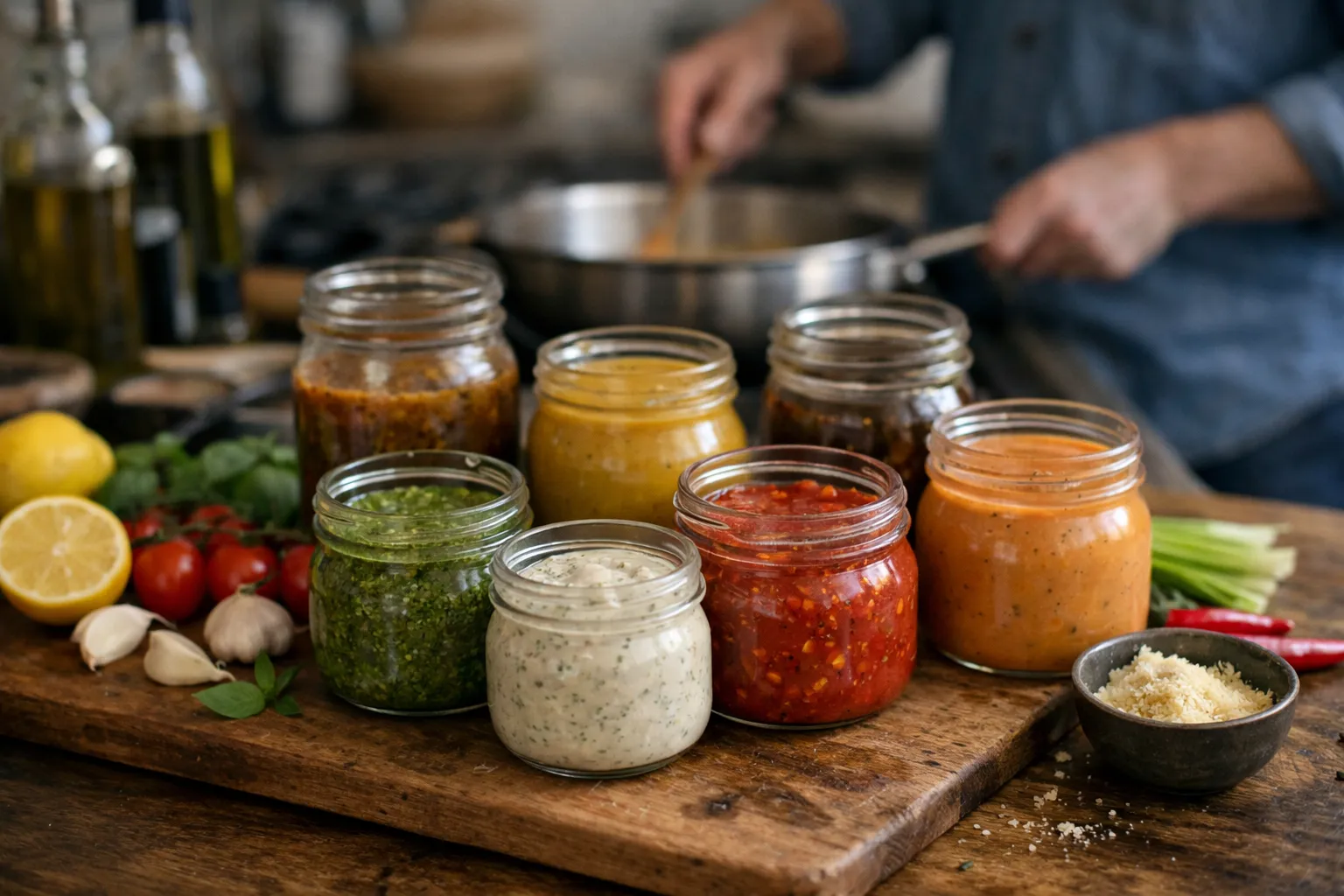
Weeknights demand food that’s fast, flexible and reliably good. This updated guide — refreshed for September 2026 — brings you seven make-ahead sauces that take 10–30 minutes to prepare and meaningfully speed dinners: from air-fryer veg to pantry-forward bowls. You’ll get specific ingredients, prep and cooking steps, storage and safety guidance aligned with current best practices, plus pairing ideas that reflect 2026 cooking trends (plant-forward swaps, fermented umami, zero-waste habits).
Who this is for and why it matters
This is for home cooks who want to reduce nightly decision fatigue, stretch groceries, and add professional-level flavor to simple plates. Make-ahead sauces let you turn leftovers, roasted vegetables, grains, and quick proteins into complete meals in minutes. They also align with two dominant 2026 habits: batch prepping for time and sustainability, and leaning on fermentation/umami to boost plant-based meals.
Prerequisites / Context
- Pantry basics to keep stocked: neutral oil (canola or grapeseed), good olive oil, vinegars (red wine, sherry, apple cider), soy sauce/tamari, Dijon, honey or maple, canned tomatoes, jarred roasted red peppers, miso, tahini, capers, nuts or seeds.
- Tools: blender or immersion blender (high-speed blenders give silkier emulsions), small saucepan, whisk, fine-mesh strainer, 8–16 oz glass jars with lids. Optional: vacuum sealer or vacuum-jarring lid to extend refrigerated life.
- Batch-sizing: Most recipes make about 1–2 cups (8–16 oz), enough for 4–6 servings. Double batches when you have 15–30 minutes free; freeze in ½-cup portions in silicone molds or jars for 2–3 months.
- Food-safety baseline: Refrigerate sauces at ≤40°F. For perishable, dairy- or egg-containing sauces, follow USDA guidance to consume within 3–4 days. For oil-based or acid-rich preparations, safe refrigerated storage varies by acidity and ingredients — see each recipe’s storage note below. Never store garlic or herbs in oil at room temperature: CDC and FDA advisories have long warned that anaerobic oil environments can support Clostridium botulinum. Refrigerate such mixes and use within 7 days, or freeze for longer.
How to store and revive textures
Label jars with date and key allergens. Refrigerate in airtight glass. To re-emulsify separated sauces: warm briefly in a bowl of hot water for nut/seed pastes or tahini-based sauces, then whisk or pulse in a blender. For mayonnaise-style emulsions, a quick shake in a jar or a 10-second blender pulse usually restores texture. Freeze sauces in small portions for 2–3 months; thaw overnight in the fridge and whisk before use — note that dairy-based sauces can separate and may need re-blending.
1. Lemon‑Caper Brown‑Butter Sauce (5–10 min; stovetop)
Why it’s useful: Bright, savory finish for fish, air-fryer broccoli, or tossed with quick pasta. Brown butter's nutty notes pair especially well with late-summer vegetables and simple proteins.
Ingredients (makes ~1 cup): 4 tbsp unsalted butter, 1 garlic clove minced, 1 tbsp drained capers (rinsed if reducing sodium), 1 tbsp lemon juice, 1 tsp lemon zest, pinch black pepper, 1 tbsp chopped parsley.
- In a small skillet, melt butter over medium; cook until foaming subsides and solids turn golden-brown, 2–3 minutes (watch closely).
- Add garlic, cook 30 seconds; remove from heat and stir in capers, lemon juice, zest and parsley.
- Cool to room temp, transfer to jar, refrigerate.
Serving: 2–4 tbsp per serving. Storage: Refrigerate up to 4 days; reheat gently or bring to room temp and whisk. Vegan: 4 tbsp vegan butter or a blend of olive oil + a tablespoon of vegan butter for mouthfeel.
2. Quick Romesco (15–20 min; blender)
Why it’s useful: Smoky, nutty Spanish sauce for roasted veg, grilled proteins, sandwiches, and an unfussy condiment for weeknight bowls. Romesco adapts well to seed-based versions for nut-free households.
Ingredients (makes ~1½ cups): 1 cup jarred roasted red peppers (drained), ¼ cup toasted almonds (or toasted sunflower seeds for nut-free), 1 garlic clove, 1 tbsp sherry or red wine vinegar, 2 tbsp olive oil, 1 tsp smoked paprika, ½ tsp salt, pinch cayenne.
- Toast nuts/seeds in a dry pan 3–4 minutes until fragrant; cool.
- Blend all ingredients until smooth; add 1–2 tbsp water to loosen if needed.
Serving: 2–3 tbsp. Storage: Refrigerate up to 5 days; freezes well 2–3 months (thaw and stir). Lighter option: reduce oil and add extra roasted pepper liquid or water for body.
3. Miso‑Sesame Quick Dressing (10 min; whisk or blender)
Why it’s useful: Umami-rich, great for bowls, slaws and quick marinades. Through 2026, miso and other fermented flavors are mainstream fixtures in home pantries — they add depth without extra salt.
Ingredients (makes ~1 cup): 2 tbsp white miso, 2 tbsp rice vinegar, 1 tbsp soy sauce or tamari, 1 tbsp toasted sesame oil, 2 tbsp neutral oil, 1 tsp honey or maple syrup, 1 garlic clove grated, 2 tbsp water to thin.
- Whisk or blend until smooth. For silkier texture, use a high-speed blender or immersion blender.
- Optional: Add 1 tsp grated fresh ginger for brightness.
Serving: 2 tbsp. Storage: Refrigerate up to 7 days. For longer life, freeze ½-cup portions — miso freezes well because of its salt content.
4. Quick Tomato Ragu (25–30 min; stovetop)
Why it’s useful: A cooked sauce that improves with time — versatile on pasta, polenta, eggs or as a base for quick shakshuka.
Ingredients (makes ~2 cups): 1 tbsp olive oil, 1 small onion finely chopped, 2 garlic cloves minced, 1 can (14 oz) crushed tomatoes, 1 tsp dried oregano, 1 tsp sugar (optional), salt and pepper, 2 tbsp chopped basil at finish.
- Sauté onion 5–7 minutes until soft, add garlic 30 seconds, then tomatoes and oregano. Simmer 15–20 minutes until thickened; finish with basil.
- Use an immersion blender briefly for a smoother texture, or leave chunky.
Serving: ½ cup. Storage: Refrigerate up to 5 days; freezes well 2–3 months. For low-FODMAP needs, omit onion and garlic and use garlic-infused oil for flavor rather than pieces.
5. Green Herb Salsa Verde (10–15 min; blender or mortar)
Why it’s useful: Herby, acidic, and quick — great with grilled proteins, roasted roots and sandwiches. Herb-forward condiments are enjoying renewed popularity in 2026 as cooks pair them with plant proteins (tempeh, seitan) and vegetables.
Ingredients (makes ~1¼ cups): 1 cup packed parsley and cilantro (or all parsley), 2 tbsp capers or 1 anchovy (optional), 1 garlic clove, 2 tbsp red wine vinegar, ½ cup olive oil, ½ tsp salt, ¼ tsp black pepper, 1 tsp Dijon.
- Pulse or finely chop herbs, add remaining ingredients and whisk; adjust oil for texture.
- For a chunkier sauce, chop by hand; for a bright emulsion, blitz briefly in a blender.
Serving: 1–2 tbsp. Storage: Refrigerate up to 7 days. Omit anchovy for vegan; use less oil and add water or stock to reduce calories.
6. Yogurt‑Tahini Lemon Sauce (5–10 min; whisk)
Why it’s useful: Creamy, tangy, and fast — works as a dressing, dip or drizzle. In 2026, unsweetened plant yogurts (soy, oat) are reliable substitutes that hold up in emulsions.
Ingredients (makes ~1 cup): ½ cup plain yogurt (Greek or dairy-free), 2 tbsp tahini, 1 tbsp lemon juice, 1 garlic clove minced, 1 tbsp olive oil, salt to taste, water to thin.
- Whisk until smooth; thin with water for drizzling. For more acidity, add another teaspoon of lemon.
Serving: 2 tbsp. Storage: Refrigerate 3–5 days. For dairy-free, choose unsweetened soy or coconut yogurt; note that coconut yogurt can be less tangy.
7. Fast Herb‑Infused Compound Oil (10 min; stovetop)
Why it’s useful: A finishing oil for grilled steaks, roasted veg or popcorn. Important 2026 safety reminder: do not store garlic- or herb-infused oils at room temperature. Acidify or refrigerate immediately.
Ingredients (makes ~¾ cup): ½ cup neutral oil, 2 tbsp olive oil, 2 sprigs rosemary, 2 sprigs thyme, 2 garlic cloves crushed.
- Warm oil with herbs and garlic over low heat 4–5 minutes (do not boil); cool and strain into jar.
- Refrigerate and use within 7 days, or freeze into cubes for longer storage.
Serving: 1 tsp–1 tbsp. Storage: Refrigerate up to 7 days (do not leave at room temperature). For longer life, freeze portions; thaw and bring to room temp before use.
Putting the sauces to work — quick 2026 pairing guide
- Lemon‑Caper Brown‑Butter: pan-seared fish, air-fryer asparagus, boiled new potatoes.
- Romesco: roasted eggplant, grilled shrimp or tofu, sandwich spread on crusty sourdough.
- Miso‑Sesame: grain bowls with roasted squash or baked tofu, steamed greens, quick noodle salads.
- Tomato Ragu: pasta, shakshuka-style eggs, spooned over polenta or baked eggplant.
- Salsa Verde: roasted lamb, chickpea bowls, grilled mushrooms or tempeh steaks.
- Yogurt‑Tahini: grain bowls, roasted carrots, as a flatbread spread or dip for crudités.
- Herb‑Infused Oil: drizzle over pizzas, grilled corn, or finish roasted cauliflower.
Speed tips for busy cooks (and systems that actually work)
- Double or triple a favorite sauce on your weekend prep day; freeze ½-cup silicone-mold portions for single dinners.
- Create a “sauce shelf” in the fridge and label jars with ingredients and date; keep dressings at eye level for quick grabs.
- Repurpose: mix romesco with yogurt/tahini for a creamy dip; blend miso-sesame into mayonnaise or olive oil for sandwich spreads.
- Use tech wisely: high-speed blenders smooth nut and seed sauces in under a minute; vacuum lids or a home vacuum sealer reduce surface oxidation and can extend refrigerated freshness.
Common mistakes and how to avoid them
- Too oily or slick: Emulsify by whisking in a tablespoon of warm water or vinegar; for nut or tahini sauces, a short blender pulse will incorporate liquids evenly.
- Too salty: Dilute with plain yogurt, cooked tomato, or a small amount of unsalted cooked potato (remove before serving) — or simply add water and more acid to rebalance.
- Separation: Re-emulsify with a blender or whisk; warm nut/tahini sauces slightly to loosen solids before whisking.
- Food-safety misstep (garlic/herb oil): Never store garlic or fresh herbs in oil at room temperature. Refrigerate immediately and use within 7 days or freeze portions.
Pro tips
- For deeper umami without extra sodium, add a teaspoon of miso or a few drops of concentrated mushroom stock to tomato ragu or romesco.
- To make nut-based sauces allergy-friendly, substitute toasted sunflower or pumpkin seeds 1:1 and increase oil slightly for mouthfeel.
- Use citrus zest, not just juice, to keep brightness through refrigerated storage. Zest retains aromatic oils that accentuate flavors on day two and three.
- When freezing, leave a little headspace in glass jars or use silicone molds — nut and dairy sauces expand differently than water-based ones.
Final notes — starting small pays off
Invest 10–30 minutes once and you’ll shave nightly prep time while improving flavor across multiple meals. Start with one cold emulsion (miso-sesame) and one warm finish (lemon-caper brown-butter), then expand. With clear storage rules, a few safety-minded habits, and smart repurposing, make-ahead sauces become the quickest route from pantry to plated weeknight wins.
FAQ
How long can I keep homemade sauces in the fridge?
It depends on ingredients. Dairy- or egg-containing sauces: 3–4 days (USDA guidance for perishable leftovers). Acidic, oil-based or highly salted sauces can last 5–7 days refrigerated; garlic- or herb-infused oils must be refrigerated and used within 7 days or frozen. When in doubt, smell, check for mold, and when unsure discard.
Can I freeze all of these sauces? Will texture change?
Most freeze well for 2–3 months. Tomato ragu and miso-based dressings freeze particularly well. Dairy-based sauces may separate on thawing and will need re-blending. Nut- and seed-based sauces can solidify and sometimes change texture; briefly warm and whisk or blend to restore creaminess.
Are there safe ways to extend refrigerated life without freezing?
Vacuum-sealing jars or using vacuum-lid inserts reduces oxidation and can extend refrigerated life by lowering surface bacteria growth, but it doesn’t replace proper refrigeration. Acidifying (adding extra vinegar or lemon) can slow spoilage for some sauces, and keeping jars cold in the fridge door is less effective than the colder back shelves — store sauces toward the back where temperatures are more stable.
How do I make these sauces lower-sodium without losing flavor?
Boost aromatics (roasted garlic, citrus zest), add acid (vinegar or lemon), use fermented ingredients like miso sparingly for depth, and incorporate fresh herbs. For salty elements like capers or anchovies, rinse before use to remove surface salt. Smoked paprika, roasted nuts or toasted seeds add perceived richness that helps you use less salt.
Any allergy-safe swaps I should know?
Yes. Swap nuts for toasted sunflower or pumpkin seeds in romesco and other nut-butters. For dairy-free, use unsweetened soy or thick oat yogurts in yogurt-tahini. Use tamari for gluten-free soy sauce. Always label jars with allergens if sharing or storing in a communal fridge.