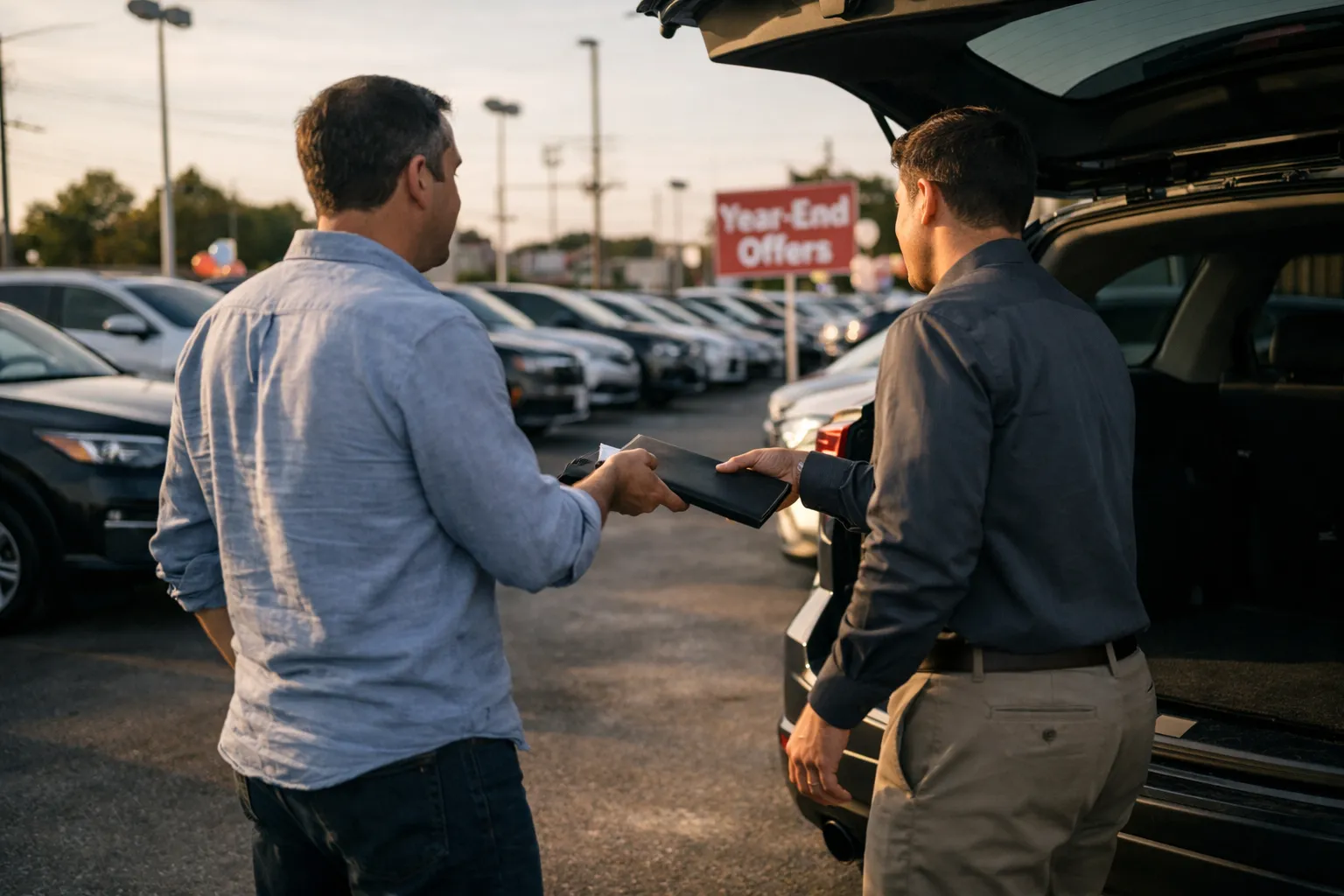
The Federal Reserve’s easing cycle in 2026 has rippled through the auto‑buying market: lenders are re‑pricing loans, manufacturers and dealers are adjusting incentives, and the seasonal holiday sales window looks different than it did a year ago. For car‑buying enthusiasts who follow price cycles and financing, the changes are actionable now.
How Fed easing flows to car buyers
The transmission from Fed policy to consumer car loans isn’t one‑to‑one, but the mechanism is straightforward. When the Fed lowers the federal funds rate, wholesale short‑term borrowing costs for banks and some bond yields fall; that typically reduces funding costs for lenders and lowers the interest rates they charge consumers. At the same time, lower short‑term rates soften pressure on dealer floorplan financing and captive finance arms, giving manufacturers more room to offer rebates and low‑rate leases.
What to expect in loan pricing
- Light, gradual decreases in APRs from banks and credit unions are common first responses. Expect advertised new‑loan rates to move down by a few tenths of a percentage point to start.
- Captive finance arms (manufacturer banks) are likelier to cut lease money factors and 0‑percent loan promotions faster than banks, because they use incentives to move inventory and protect monthly payment pricing.
- Used‑car loan rates traditionally lag new‑car loan movements and remain higher on average; but they tend to follow within weeks to months as securitizations and secondary markets adjust.
Dealer incentives, leases and the used‑car market
When funding costs ease, three dealer levers typically change:
- Lower finance rates — Dealers and captives advertise aggressive APRs and 0% offers to push buyers toward new cars when margins are tight.
- Increased cash incentives — Manufacturers may add rebates on specific models to clear out slow‑moving inventory.
- More attractive lease deals — Reduced money factors and stronger residual guarantees can materially lower monthly lease payments, making leasing more competitive with purchases.
For used cars, the effect is more nuanced. Lower loan rates can expand buyer affordability, supporting prices. But if dealers use incentives to move new units, fleet and trade‑in volumes can rise, increasing used supply and putting downward pressure on prices for certain model years and trims.
Realistic buyer takeaways (and a math example)
Here are concrete actions and what they can realistically save you.
- Get preapproval first. If banks and credit unions are already trimming rates, a preapproval locks in a baseline and gives you leverage to compare dealer finance offers.
- Compare captive finance deals versus outside financing. A manufacturer 0% offer may beat your preapproval when you finance a new car — but it often means forgoing rebates. Run the math.
- Consider refinancing if you bought in the past 12–18 months. A decline of 1 percentage point or more on your APR typically justifies refinance costs for many borrowers.
- Time model selection. If captives push aggressive lease deals on outgoing model years, target those trims for lower monthly costs.
Hypothetical example: a $30,000 loan over 60 months.
- At 6.5% APR, monthly payment ≈ $587.
- At 5.5% APR, monthly payment ≈ $572 — about $15/month saved, or $900 over the loan term.
- At 4.5% APR, monthly payment ≈ $560 — about $27/month saved versus 6.5%, or $1,620 total.
Where the savings are — and where they aren’t
Not every buyer benefits equally. Prime‑rate borrowers see the most direct pass‑through of easing; subprime borrowers face smaller cuts since lenders price in credit risk. Also:
- Down payments and trade‑in values matter. If used‑car prices fall in your target segment, putting more value into a trade lowers financed amount and interest paid.
- Fees and dealer markups remain crucial. A lower APR advertised by a dealer that layers on add‑ons can still be more expensive than a slightly higher bank APR with fewer fees.
- Lease residuals can tighten or loosen. A spike in new‑car incentives that depresses transaction prices doesn’t always translate to a better lease if residual values are adjusted downward.
Practical checklist for shoppers this season
- Monitor three APR quotes: a credit union, a national bank, and the captive finance offer — compare total cost, not just rate.
- Ask dealers for itemized financing offers: APR, fees, and any buy‑downs or rebates. Insist on the full contract terms before signing.
- If you have a recent purchase, run a quick refinance breakeven calc: total fees versus monthly savings to pick the right move.
- If leasing, check both money factor and residual; negotiate the selling price aggressively rather than settling for advertised monthly payments.
- Time non‑urgent purchases around manufacturer incentives and end‑of‑quarter dealer pushes, which often follow rate moves.
Bottom line
Federal easing in 2026 has changed the landscape for a wide range of auto buyers. The immediate effect is often modest APR reductions and sharper captive incentives; the secondary effects — used‑car pricing shifts and refinancing opportunities — can be significant for disciplined shoppers. For car‑buying enthusiasts, the current environment rewards preparation: preapprovals, comparative quotes, and precise math will unlock the best deals as the market digests lower rates.