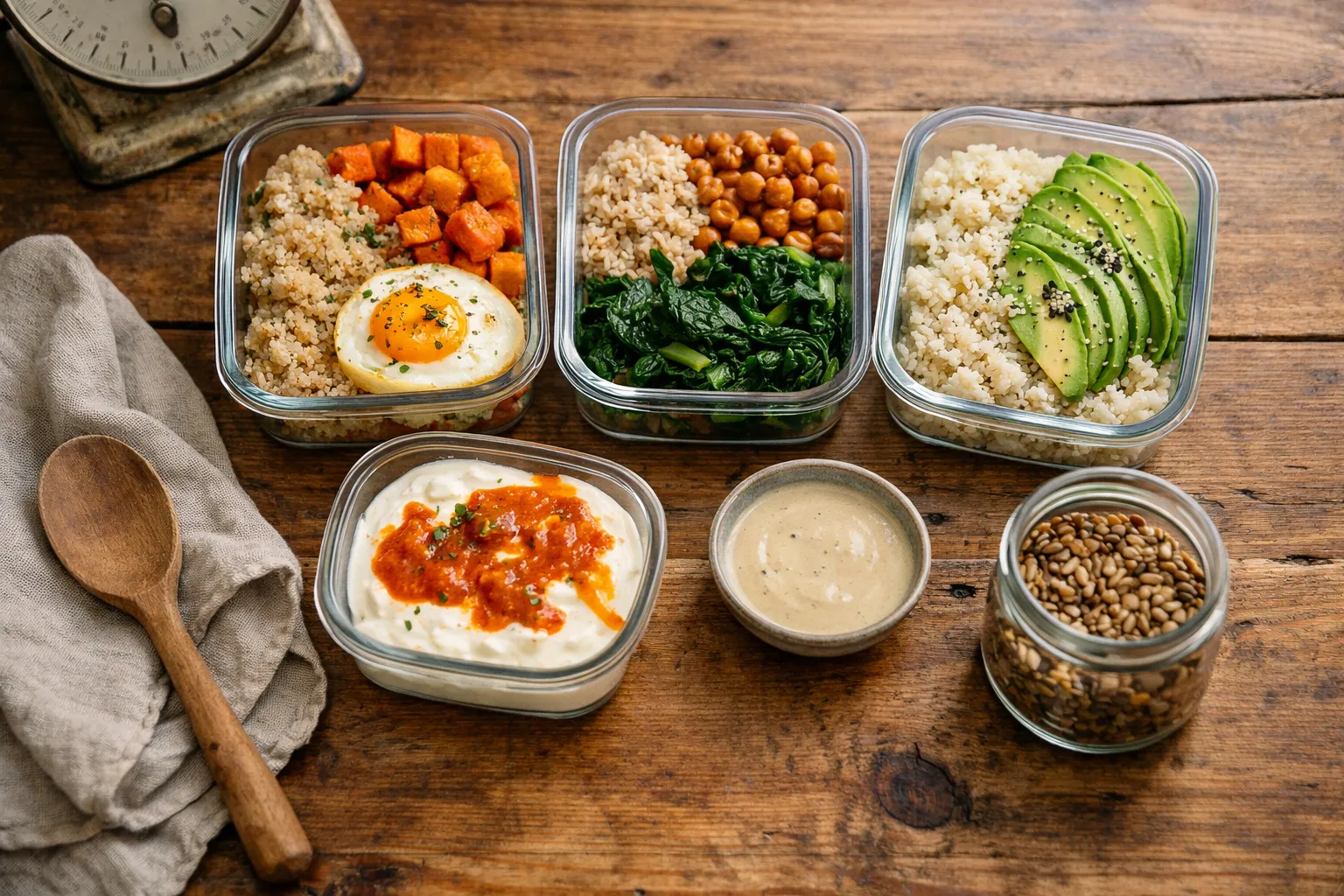
There’s nothing like a colorful, nutrient-packed breakfast bowl to start a busy day—and you don’t need to cook every morning. This refreshed June 2026 guide shows recipe enthusiasts how to batch-cook balanced breakfast bowls for the week using current techniques, kitchen tech, and food-safety best practices. You’ll learn updated timing, equipment priorities (air fryer, multi-cooker, vacuum sealers), plant-forward ingredient swaps now widely available, and clear reheating and storage rules so your bowls taste fresh all week.
Prerequisites and context: what to know first
Who this is for: home cooks who want 5–7 ready breakfasts per week that are balanced (grain/veg/protein/sauce), flavorful and reduce weekday decision fatigue.
What’s changed since 2024:
- Air fryers, countertop convection ovens and multifunction pressure cookers are now standard in many kitchens and speed up crisping and grain/bean prep.
- Retail availability of pre-cooked refrigerated grains and high-protein plant yogurts has expanded, shortening prep time.
- Meal-prep sustainability matters more: reusable glass containers with vented lids, silicone bags and home vacuum-sealers are common and cost-effective.
- Food-safety guidance remains: refrigerate cooked food promptly, consume refrigerated prepared meals within 4 days, and reheat leftovers to 165°F (74°C).
Why batch-cook breakfast bowls in 2026?
The core reasons remain—speed, consistency and waste reduction—but new motivations have emerged:
- Flavor retention with targeted reheating: Using an air fryer or low oven to re-crisp components improves texture compared with past microwave-only reheats.
- Plant-forward convenience: Better plant-protein options (extra-firm grilled-style tofu, roasted legume blends) make vegan bowls as satisfying as egg-based versions.
- Lower energy per meal: Cooking several components at once or using energy-efficient devices (convection/air fryer) reduces per-meal energy use versus daily cooking.
Core components and updated ingredient planning
A balanced bowl still has four parts: base, protein, cooked vegetables, and sauce/toppings. Plan volumes the same way—35–45% base, 25–30% protein, 15–25% veg, 5–10% sauce—but take advantage of market changes:
- Base (35–45%): quinoa, brown rice, steel-cut oats, pre-cooked grain pouches, or cauliflower rice. Note: refrigerated pre-cooked grains often come in 2–3 serving pouches—use them to shave 15–20 minutes.
- Protein (25–30%): eggs, smoked salmon, Greek-style yogurt, extra-firm tofu, tempeh, roasted chickpea blends or commercial ready-to-use seitan slices. Example serving: 1 large egg or ¾ cup cooked beans per bowl.
- Vegetables (15–25%): roasted sweet potato, broccoli, mushrooms, sautéed greens, pickled cucumbers—acidic elements added day-of brighten each portion.
- Sauces/toppings (5–10%): tahini-lemon, yogurt-harissa, chimichurri, za'atar olive oil, fresh herbs, toasted seeds. Keep dressings separate when possible to avoid sogginess.
Shopping rule of thumb: calculate per-bowl amounts, multiply by bowls desired (e.g., five breakfasts), add 10–15% extra for shrinkage and mistakes.
Updated efficient cooking methods (what to use and why)
Use methods that allow parallel work and best texture retention.
1) Sheet-pan roasting + convection/air-fryer finish
- Roast dense veg (sweet potato, carrots, butternut) at 400–425°F (200–220°C) for 20–35 minutes. Use convection if available to speed crisping and brown evenly.
- For a crisper finish on day-of, reheat portions 5–8 minutes in an air fryer at 375°F (190°C) instead of microwaving.
2) Pressure cooker / multi-cooker for grains and beans
Steel-cut oats, dried beans and brown rice cook faster with a pressure cooker. It frees stovetop time and concentrates flavor. Use the cooker’s “keep warm” sparingly—rapid cooling and refrigerating is safer than lengthy hot-holding.
3) Air fryer for proteins
Extra-firm tofu, roasted chickpeas and pre-cooked plant proteins crisp in 12–20 minutes in an air fryer. Less oil and faster cook time make this a practical swap for a second sheet pan.
4) Stovetop quick-cook and baking eggs
Baked eggs in muffin tins remain a reliable store-and-reheat protein. Hard-boiled eggs are portable but can dry on reheating; for softer yolks, prefer day-of additions.
5) Sauces and emulsions
An immersion blender makes tahini and yogurt-based dressings smooth and emulsified. Make ¾–1 cup per five bowls and keep refrigerated in airtight jars.
Sample updated ingredient list (5 breakfasts for 1 person)
- 1 cup dry quinoa (yields ~3 cups cooked) — or two 250 g refrigerated pre-cooked grain pouches
- 5 large eggs (or 1 block extra-firm tofu + 2 tbsp tamari for vegan)
- 2 medium sweet potatoes (about 1.2 lb / 550 g)
- 1 small head broccoli (cut into florets)
- 1 pint cherry tomatoes
- 1 bunch kale or chard (about 5–6 oz / 150–170 g)
- 1 avocado (add day-of) or 1 jar smashed avocado if you’ll eat within 24 hours
- 2 tbsp olive oil, 1 tbsp neutral oil, salt, black pepper, smoked paprika, za'atar or chili crisp
- Tahini-lemon dressing or vegan yogurt-harissa (~¾ cup)
Typical prep time and a tightened 75–90 minute timeline
With air fryer/multi-cooker options and pre-cooked grains, many cooks can reduce total time. Below is a practical 75–90 minute timeline for five breakfasts using an air fryer plus one large sheet pan and one pot (or multi-cooker).
- 00:00–00:05 — Preheat oven to 425°F (220°C) or set convection. If using a multi-cooker for grains, set it up (steel-cut oats or brown rice). Rinse grains if needed.
- 00:05–00:15 — Chop sweet potatoes, trim broccoli, halve cherry tomatoes. Toss sweet potatoes and broccoli with oil, salt and smoked paprika; spread on a large sheet pan.
- 00:10 — Start grains in pot/multi-cooker (or place pre-cooked pouches in fridge to warm later).
- 00:15 — Place sheet pan in oven (25–30 minutes). Put tofu or chickpeas in air fryer basket for a 15–20 minute crisping cycle; start that at 00:20 so both finish roughly together.
- 00:20–00:30 — Whisk tahini-lemon dressing (immersion blender speeds this to under 3 minutes). Prep eggs for boiling or bake in muffin tins (baked eggs take ~12–15 minutes at 350°F for jammy yolks).
- 00:35–00:45 — When vegetables and proteins finish, rest for 5 minutes. Finish grains (fluff and let steam for 10 minutes if needed).
- 00:45–00:55 — Quick sauté of greens: 1 tbsp oil, 2–3 minutes. Portion seeds and fresh herbs into small containers.
- 00:55–01:10 — Assemble five containers: base (¾ cup cooked grain), ½ cup roasted sweet potato, ½ cup broccoli, 1 egg or ¾ cup protein, ¼ cup greens, 1–2 tbsp dressing on the side.
- 01:10–01:15 — Cool containers slightly, seal and refrigerate. Label with date and reheating notes.
Storage, freezing and reheating — updated best practices
Food safety and texture preservation are top priorities.
- Refrigeration: Cool foods quickly and refrigerate within two hours of cooking. Prepared bowls (without avocado or delicate greens) keep 4 days refrigerated. Proteins like eggs and cooked beans also retain quality for 4 days.
- Freezing: Freeze components (grains, roasted veg, cooked beans, tofu) for 2–3 months. Avoid freezing assembled bowls with fresh herbs, greens or avocado.
- Vacuum sealing: Vacuum-sealed cooked grains and proteins can extend freezer life and reduce freezer burn; in the fridge, vacuum sealing can slow oxidation but doesn’t extend beyond safe timeframes—use within 4 days.
- Reheating: Reheat to an internal temperature of 165°F (74°C) for safety. For best texture: microwave covered for 60–90 seconds for a quick reheat, or re-crisp roasted items 5–8 minutes in a 375°F air fryer / convection oven. Add delicate toppings (avocado, herbs) after reheating.
Dietary modifications and 2026 ingredient swaps
Maintain the bowl structure and swap with these updated options.
- Vegan / plant-forward: Use extra-firm tofu air-fried for crispness, roasted legume mixes (brown lentils + chickpeas), or high-protein dairy-free yogurts (many brands now offer 12–20 g protein per serving).
- Gluten-free: Choose quinoa, certified gluten-free oats, buckwheat or corn-based grains. Use tamari instead of soy sauce.
- Low-carb / keto: Replace grain with cauliflower rice or shredded roasted radish; increase healthy fats (avocado, olive oil, seeded toppings).
- High-protein: Add a double-egg option, smoked fish, Greek yogurt, or a spoonful of cottage cheese (if dairy-tolerant).
- Low-sodium: Use fresh herbs, citrus, vinegar and chili pastes to boost flavor; rinse canned beans and choose low-sodium packaged goods.
Three contemporary example bowls to rotate
1) Mediterranean-Modern Bowl
- Base: quinoa (¾ cup)
- Protein: roasted chickpea + lentil blend (¾ cup)
- Veg: roasted zucchini, cherry tomatoes, olives
- Sauce: preserved-lemon tahini (1–2 tbsp), parsley
2) Sweet-Potato & Gochujang Greens Bowl
- Base: roasted sweet potato cubes (½–¾ cup)
- Protein: baked eggs or air-fried tofu tossed in gochujang-tamari
- Veg: sautéed kale, quick-pickled cucumbers
- Sauce: yogurt-harissa or miso-tahini
3) Power Grain & Smoked Fish Bowl
- Base: brown rice or steel-cut oats (¾ cup)
- Protein: smoked salmon or high-protein Greek yogurt
- Veg: steamed broccoli, pickled red onion, capers
- Sauce: dill-lemon dressing
Common mistakes and quick fixes
- Sealing hot food: Don’t seal steaming-hot food. Rapidly cooling food (shallow pans, ice bath for hot pots) prevents condensation and bacterial growth.
- Soggy bowls: Store dressings and avocado separately; pack crunchy items (toasted seeds) in a separate small container.
- Bland reheats: Always finish with an acid (lemon or vinegar) and fresh herbs after reheating—acid brightens flavors that flatten when chilled.
- Over-reliance on microwaves: For roasted components, briefly re-crisp in an air fryer or oven to restore texture.
Pro tips
- Batch dressings last longer if acid and oil are kept separate until blending—add lemon right before serving if you plan to store jars more than 48 hours.
- Use your air fryer as a fast second oven: crisp proteins while sheet-pan vegetables roast, reducing overall time.
- Rotate one new ingredient weekly (a spice, herb or bean) to keep meals interesting without complicating prep.
- Label containers with cook date and reheating instructions (e.g., “Microwave 90s, then air-fry 4 min”) to smooth weekday mornings.
FAQ
How long do batch-cooked breakfast bowls safely keep in the fridge?
Store assembled bowls (without avocado or delicate greens) for up to 4 days refrigerated. Proteins like cooked beans and eggs also keep about 4 days. Freeze individual components if you want reliable storage longer than 3 months.
Can I freeze fully assembled bowls?
It’s better to freeze components separately (grains, roasted veg, proteins). Fully assembled bowls typically suffer textural loss—greens wilt and avocado turns brown. If you must freeze whole bowls, avoid fresh toppings and use airtight, freezer-grade containers.
What's the safest way to reheat to preserve texture?
Reheat to an internal temperature of 165°F (74°C) for safety. For texture, microwave covered for a quick reheat, then finish roasted components in a 375°F air fryer or convection oven for 4–8 minutes to restore crispness.
Are pre-cooked grain pouches worth it?
Yes—refrigerated pre-cooked grain pouches reduce active prep time by 15–20 minutes and often use minimal packaging. They’re a good time-saver when you want to shorten a batch-session without sacrificing quality.
How do I keep avocados fresh if I want them in my bowls all week?
Add avocado day-of whenever possible. If you need to prep ahead, smash with lemon juice and store in an airtight container with plastic pressed to the surface, or keep sliced avocado in a sealed container with a halved red onion—both slow browning for a day but not several days.
Batch-cooking breakfast bowls remains one of the most practical ways to combine nutrition, flavor and convenience. In 2026, new kitchen tools and better plant-protein options make it faster and more flexible than ever—while simple storage and reheating rules ensure every bowl still feels like a fresh start.