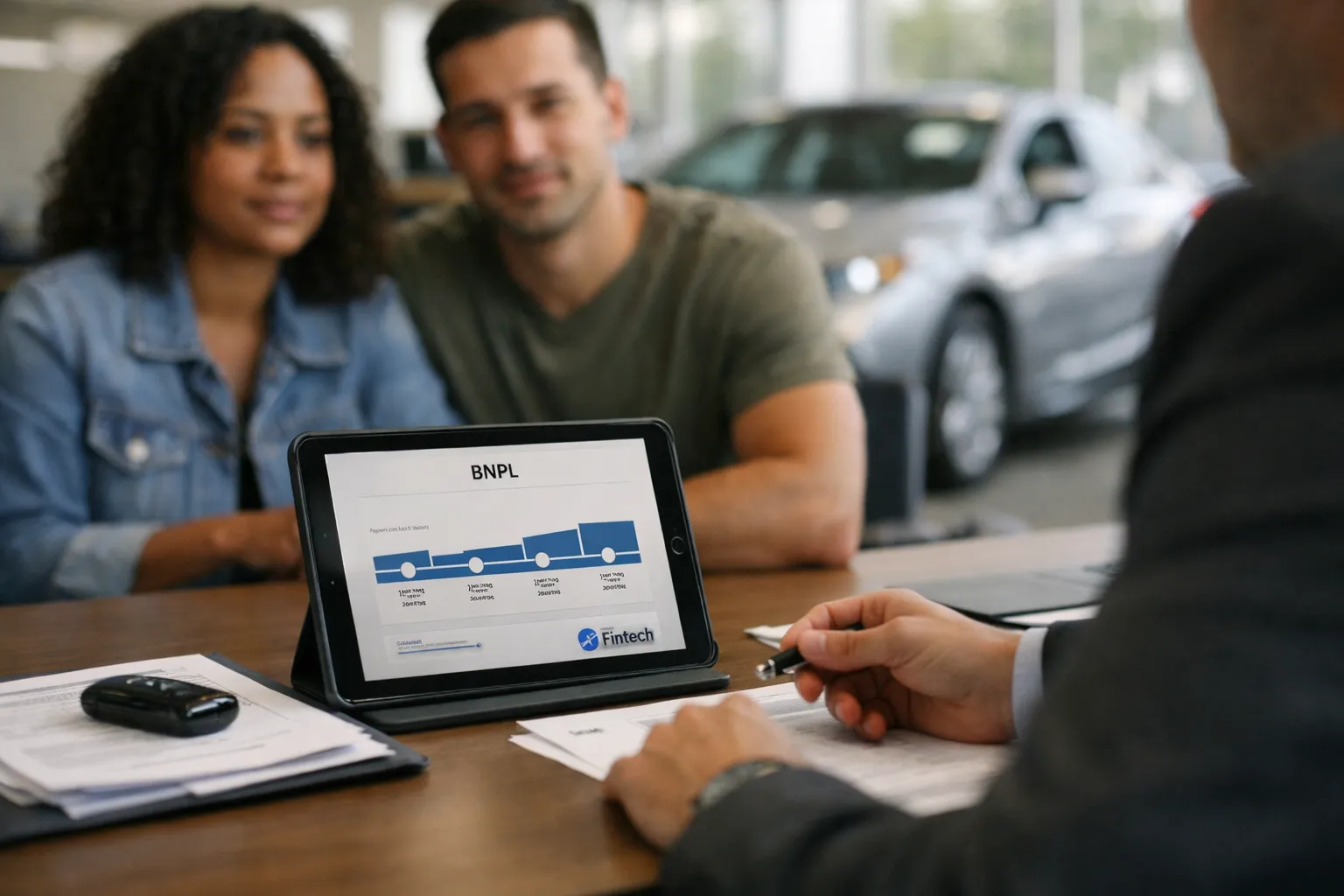
Who, what, when, where, why: As of July 2026, an expanding set of U.S. franchised and independent dealerships are offering buy‑now‑pay‑later (BNPL) options specifically to fund reservation deposits and short holds on vehicles. Major BNPL firms — including Affirm, Klarna, Afterpay (Block), Zip and PayPal's "Pay in 4" — now appear alongside dealer management systems such as CDK Global and Dealertrack in online retail flows. Dealers use these fintech tools to secure scarce inventory more quickly; buyers use them to avoid large up‑front cash deposits. But the mechanics, costs and consumer protections vary widely, making scrutiny and preparation essential.
Why the move picked up in 2025–2026
Dealers adopted BNPL deposit flows more aggressively after inventory shortages eased in 2024 and retail margins normalized. By mid‑2026, dealers cite three business drivers: (1) reducing “ghost” reservations that never convert, (2) shortening time-to-sale on high‑demand trims, and (3) capturing buyer contact information early in the funnel for follow-up finance offers. For buyers, BNPL can reduce an immediate cash outlay to $0–$500 instead of several hundred or thousands in cash or cashier’s check.
Technology also enabled expansion: several BNPL providers completed integrations in 2025 with major dealer platforms (CDK Global, Dealertrack/Dealertrack DMS and some dealer websites), creating one‑click reserve flows where shoppers pick a deposit, authenticate, and complete a lender contract without leaving the dealer’s site.
Common BNPL deposit structures you’ll see in 2026
- Interest‑free short plans (30–90 days). Deposit split into equal payments; missed payments usually trigger late fees and may lead to collections.
- Installment plans (3–12 months). Small financed deposit separate from the vehicle loan; carries APR and adds to your monthly obligations until paid.
- Reserve‑and‑convert products. If you complete the purchase, the deposit is automatically applied to your down payment; if you cancel, the financed deposit may require repayment plus cancellation fees.
What's changed since July 2024 — trends and new concerns
Three practical changes are worth noting:
- Broader provider mix and white‑labeling. More fintechs now white‑label BNPL for dealer groups, making it harder to tell which company actually holds the contract. Ask for the contract’s legal party name — not just the app brand.
- Increased credit reporting. Several BNPL lenders began routinely reporting installment deposit contracts to the major credit bureaus in 2025. That means on‑time payments can help build credit but late payments can appear as delinquent accounts.
- Regulatory attention is rising. Federal and state regulators have signaled interest in BNPL practices in retail and auto; as a result, some lenders strengthened disclosures in 2025–2026 and tightened refund processing rules. Still, enforcement and uniform standards for auto‑deposit BNPL remain uneven across states.
Key buyer risks and protections to check now
- Refund responsibility split. Dealers may authorize a refund but the BNPL contract — held by a fintech lender — can include restocking or administrative fees that reduce the amount returned.
- Separate legal obligation. Most deposit BNPL agreements are standalone. If you walk away from the purchase, you may still owe the lender under the BNPL terms even if the dealer refunds its portion.
- Credit impact. Mid‑2026 flows increasingly show hard or soft credit checks depending on lender and product. Confirm whether the BNPL provider performs a hard pull and whether the account is reported to Experian, TransUnion or Equifax.
- Negotiation leverage. A financed deposit can be treated by a dealer as evidence of commitment; sales teams may be less inclined to offer additional discounts or incentives once a BNPL hold is in place.
- Dispute remedies. Paying with BNPL may reduce card‑style chargeback protections that consumers enjoy with credit cards. That matters if the vehicle has undisclosed damage or title issues.
Seven updated questions to ask before using BNPL for a car deposit
- Who is the lender (legal name) and which company will appear on my credit report and statements?
- Is the BNPL contract separate from the purchase contract? Get both signed agreements now.
- Exactly how much of the deposit is refundable, under what conditions, and which party issues the refund — the dealer or the lender? Get timelines in calendar days.
- Will the lender perform a hard credit inquiry and will the account be reported to the three credit bureaus?
- What are the total finance charges/fees (expressed as APR or dollar total) and late‑payment penalties if I miss an installment?
- If I complete purchase with a different lender, how is the deposit reconciled or applied to the new loan or cash down payment?
- Does placing the BNPL deposit lock any incentives, trade‑in valuation, or negotiation rights? Get confirmation in writing that price negotiation remains open.
When BNPL makes sense — and safer alternatives
BNPL can be reasonable when: inventory is scarce, the deposit is small and fully refundable, the lender performs only a soft credit check, and refund timelines are explicit (e.g., 7 business days). If any of those conditions are missing, consider alternatives that typically offer stronger protections:
- Pay a deposit with a credit card for better dispute rights (chargebacks) and documented proof of payment.
- Request a written holding agreement from the dealer that states exact refund terms and a deadline in calendar days.
- Use a cashier’s check or ACH only when the refund process is documented in writing and the dealer confirms a specific return timeline.
Practical tips for July 2026
- Read the BNPL contract end to end. Confirm the lender’s name, refund policy, credit reporting, APR (if any), and collections terms.
- Get all refund promises in writing and ask for refund timelines in days (e.g., “refund processed within 5 business days”); follow up with email confirmations.
- Delay BNPL use until core terms — purchase price, trade‑in value, incentives — are settled when possible. Treat the deposit as a convenience, not leverage.
- Monitor credit reports for any new BNPL account entries; register disputes promptly if reporting is inaccurate.
- Walk away from deals with unusually high nonrefundable deposits or opaque refund mechanics.
Impact: who is affected and how
Active car shoppers, especially those shopping for limited‑run trims, lease returns and vehicles in high demand, are most affected. BNPL deposit products can lower immediate cash barriers but may add short‑term debt and reduce negotiation leverage. For buyers building credit, some BNPL reporting can help — but missed payments now have more real credit consequences than they did in early pilot programs.
Reactions and industry signals
Dealers and finance managers praise BNPL for improving conversion rates on in‑market shoppers. Consumer advocates urge stronger, uniform disclosures and argue that auto BNPL should match the consumer protections available for vehicle finance. Expect state attorneys general and federal regulators to refine guidance on disclosure and refund consistency through late 2026 and into 2027.
What's next — what to watch for
Watch for three developments in the second half of 2026: (1) broader standardization of disclosure language from major BNPL lenders and dealer platforms; (2) more public enforcement actions or guidance from federal and state regulators clarifying refund and credit‑reporting practices; and (3) new dealer-level policies limiting nonrefundable deposits. Until those standards arrive, the safest approach for buyers is cautious documentation and comparing BNPL costs to credit‑card holds or written dealer agreements.
How long will refunds take?
Timing varies. Many lenders now promise to process refunds within 3–10 business days after a dealer authorizes it, but processing delays are common if the dealer and lender disagree. Get the refund timeline in writing and follow up immediately if you don’t receive confirmation.
Will a BNPL deposit harm my credit?
Not automatically. If the lender performs a soft pull and reports only positive payment data, it can help. If the lender does a hard pull or reports missed payments, your credit score can be affected. Confirm the pull type and reporting policy before you sign.
Can I use BNPL and still shop other lenders?
Yes — but confirm in writing how the deposit will be applied if you finance the vehicle with another lender. Some dealers simply apply the deposit to the purchase; others require lender reconciliation that can delay delivery.