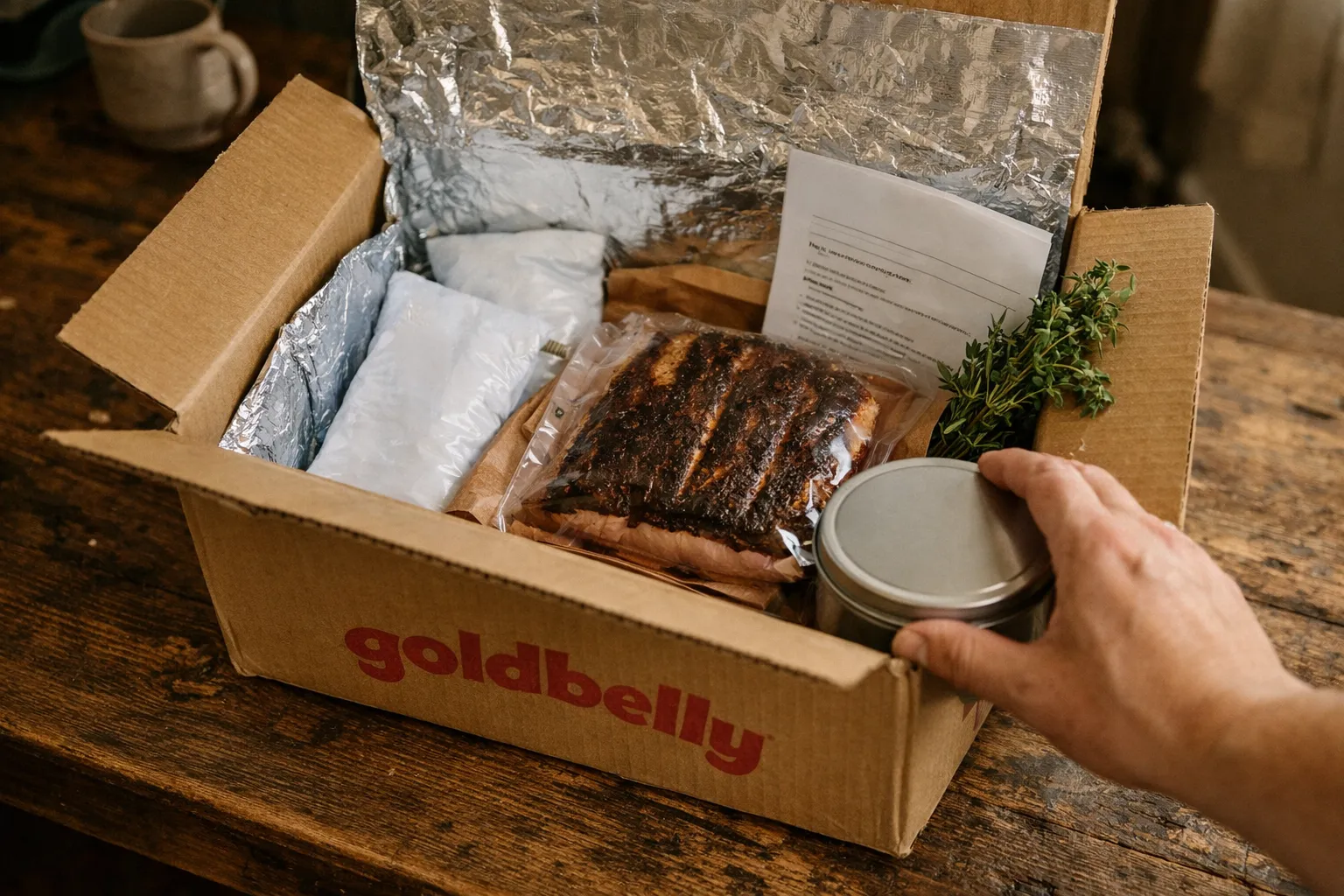
Goldbelly built its brand on a simple promise: ship iconic regional foods from beloved vendors to cooks and gift‑givers nationwide. In 2026 the basic proposition remains the same, but the market and expectations have shifted. This updated review tests multiple recent orders and industry signals to answer: do Goldbelly and similar marketplaces still deliver a worthwhile culinary splurge?
Overview: What we reviewed — key specs at a glance
- Types tested: single‑vendor staples (cookie tins, pastrami kits), large curated feast boxes (holiday menus, barbecue platters), and high‑risk perishables (whole briskets, thawed seafood).
- Price range observed (2026): small bakery shipments $30–$70; single entrées $50–$160; full feast boxes and whole smoked meats $150–$400+. Shipping typically added $20–$80 depending on distance and cold‑chain needs.
- Delivery windows: standard 2–5 day ground or expedited next‑day for an additional fee; many perishable items require daytime receipt.
Background: Who makes this and who it’s for
Goldbelly operates as a curated marketplace connecting regional vendors (delis, bakeries, pitmasters) with nationwide customers. Its audience remains food enthusiasts, gift buyers, and people seeking a taste of a specific restaurant or region without travel. The broader category now includes direct-to-consumer specialty sellers (Omaha Steaks for meat, Harry & David for gift produce and sweets), subscription meat services (ButcherBox) and local shops that ship via their own storefronts or platforms like Shopify.
Features analysis — what’s new in 2026
Several incremental developments since the original 2023–2024 era affect the buyer experience:
- Cold‑chain refinement: Insulation and gel‑pack mixes are marginally improved; many sellers use layered insulation and clearer labeling for dry‑ice shipments. That reduces thawing incidents but does not eliminate them for long ground transit.
- Packaging and sustainability options: More vendors now offer recyclable liners or plant‑based gel packs and list recyclability on product pages. Expect a mix — traditional dry‑ice plus plastic liners still dominate for high‑risk perishables.
- Curated collections and gifting tools: Marketplaces have refined gifting features (scheduled delivery dates, gift messages, curated boxes for events). These are useful for milestone gifts but add to per‑order fees.
- Vendor transparency: Many listings now include clearer reheating steps, storage windows (how long an item will keep after receipt) and more photographs of plated product rather than boxed product — a response to prior buyer confusion.
Findings: quality, authenticity and consistency
Authenticity still depends on the vendor. Long‑established mail‑order bakeries and delis—sellers accustomed to shipping for years—continue to reproduce storefront textures and flavors reliably. Items like Levain‑style cookies, Katz’s pastrami kits, and established barbecue pitmasters’ vacuum‑sealed meats generally held up across 2026 orders.
Where variability persists: very fresh‑sensitive items (crisp tarts, flaky crusts) and seafood. Vendors sometimes adjust recipes for shipping — parbaking crusts or adding protective syrups — which preserves shelf life but can change the “just‑from‑the‑oven” experience. If you prize the exact restaurant texture, expect tradeoffs.
Packaging, shipping and environmental context
Packaging still works: insulated liners, gel packs and dry‑ice protect product integrity. But shipping costs and environmental scrutiny have pushed some vendors to trial lower‑waste alternatives (recyclable foam, reusable coolers for select metropolitan shipments). If sustainability matters, look for listings that explicitly describe materials and recycling instructions.
Operational note: perishable safety follows the same rules — maintain cold below 40°F for refrigerated goods, and respect vendor storage time windows. For high‑risk items, opt for expedited shipping and schedule delivery when someone can receive the package.
Reheating, prep and consumer success rates
Vendor instructions are better and more prescriptive in 2026: many include exact oven temps, recommended internal target temperatures, and notes on resting times. Following vendor instructions remains the single best predictor of a restaurant‑like result. Complex items (whole briskets, holiday roasts) still require hours of low‑temperature resting or brief searing to restore crust and moisture.
Price and value in 2026
Goldbelly and peers are a premium channel. Despite incremental efficiencies in packaging, overall costs have not fallen. Expect to pay a clear premium for nationwide convenience: small bakery orders commonly $30–$70; single entrées $50–$160; multi‑person feasts and whole smoked meats $150–$400+, plus shipping. Add gift packaging or scheduled‑delivery fees for special occasions.
Value depends on intent. For gifts, milestone meals, or culinary fandom, the price often justifies the result. For routine meals, local purveyors or DIY options remain more economical and lower‑waste.
Customer experience and logistics
Ordering and tracking are straightforward; marketplaces have standardized tracking updates and clearer perishables notices. Customer support is generally responsive on missing items or transit damage, though outcomes depend on the seller’s individual return/refund policy. Time your order: next‑day is safest for perishable meats and seafood; two‑to‑three‑day shipping is usually fine for frozen goods if dispatched with sufficient insulation.
Pros and cons — current summary
- Pros: Access to regional specialties, improved reheating instructions, better gift features, more recyclable packaging choices.
- Cons: Premium pricing and shipping; ongoing vendor variability; packaging waste still significant for many orders; perishables require careful timing.
Who should buy in 2026?
- Gift givers and celebrators — when you want a memorable regional specialty delivered on schedule.
- Loyal fans and collectors — those who prize a specific vendor’s product and are willing to pay for authenticity.
- Entertainers and event planners — curated boxes simplify themed menus but factor shipping logistics into planning.
Not ideal for everyday meals, tight budgets, or buyers unwilling to coordinate delivery windows.
Alternatives to consider
- Omaha Steaks: Direct‑to‑consumer specialty for frozen and fresh meats with predictable shipping and frequent promotions.
- Harry & David / gift retailers: Good for fruit and curated gift boxes with long experience in nationwide delivery.
- Subscription specialty services (ButcherBox, regional CSA deliveries): Better for recurring needs and often lower per‑unit cost, though less about single‑vendor iconic items.
Verdict
Goldbelly and similar marketplaces continue to deliver on the core promise: access to regional culinary icons without a plane ticket. Improvements in labeling, reheating instructions and more sustainable packaging options make 2026 orders easier to manage and marginally greener than earlier years. But essential tradeoffs remain — a premium price, vendor variability, and logistics that demand planning.
If you value authenticity and the experiential thrill of sending or receiving a storied regional specialty, ordering one or two well‑chosen items is still worth it. If you’re planning frequent deliveries or shopping on price and waste reduction, start with local alternatives, subscription services, or DIY recipes.
Tips to get the most from an order
- Schedule delivery for a weekday with a reliable recipient or choose express shipping for highly perishable items.
- Read vendor storage and reheating instructions before ordering — prepare oven space and a thermometer if needed.
- Split large feast boxes with neighbors or friends to reduce per‑person cost and waste.
- Search product pages for packaging and recycling information if environmental impact matters to you.
- Watch for bundled shipping promotions around major holidays to offset high per‑order freight fees.
Frequently asked questions
Are shipped perishable foods safe to eat?
Yes, when properly packed and received promptly. Vendors use insulation, gel packs or dry‑ice to keep products cold. Follow vendor storage windows and USDA/FDA guidance: refrigerate perishable goods at or below 40°F and consume within the recommended timeframe.
How much should I expect to pay for shipping?
Shipping varies by distance, speed and whether dry‑ice is required. In 2026 typical shipping for perishables ranged from about $20 to $80; expedited next‑day options are usually toward the high end. Always factor shipping into the total cost when comparing to local options.
Can I return a spoiled shipment?
Most marketplaces and reputable vendors will offer refunds or replacements for confirmed transit damage or spoilage, but policies vary. Document the condition at delivery (photos) and contact customer support promptly. Read the vendor’s refund/return policy before purchase.
Are there lower‑waste packaging options?
More vendors now list recyclable liners, cardboard insulation, or plant‑based gel packs. Reusable insulation trials exist in some metro areas. If sustainability is a priority, look for product pages that specify materials and local recycling instructions.