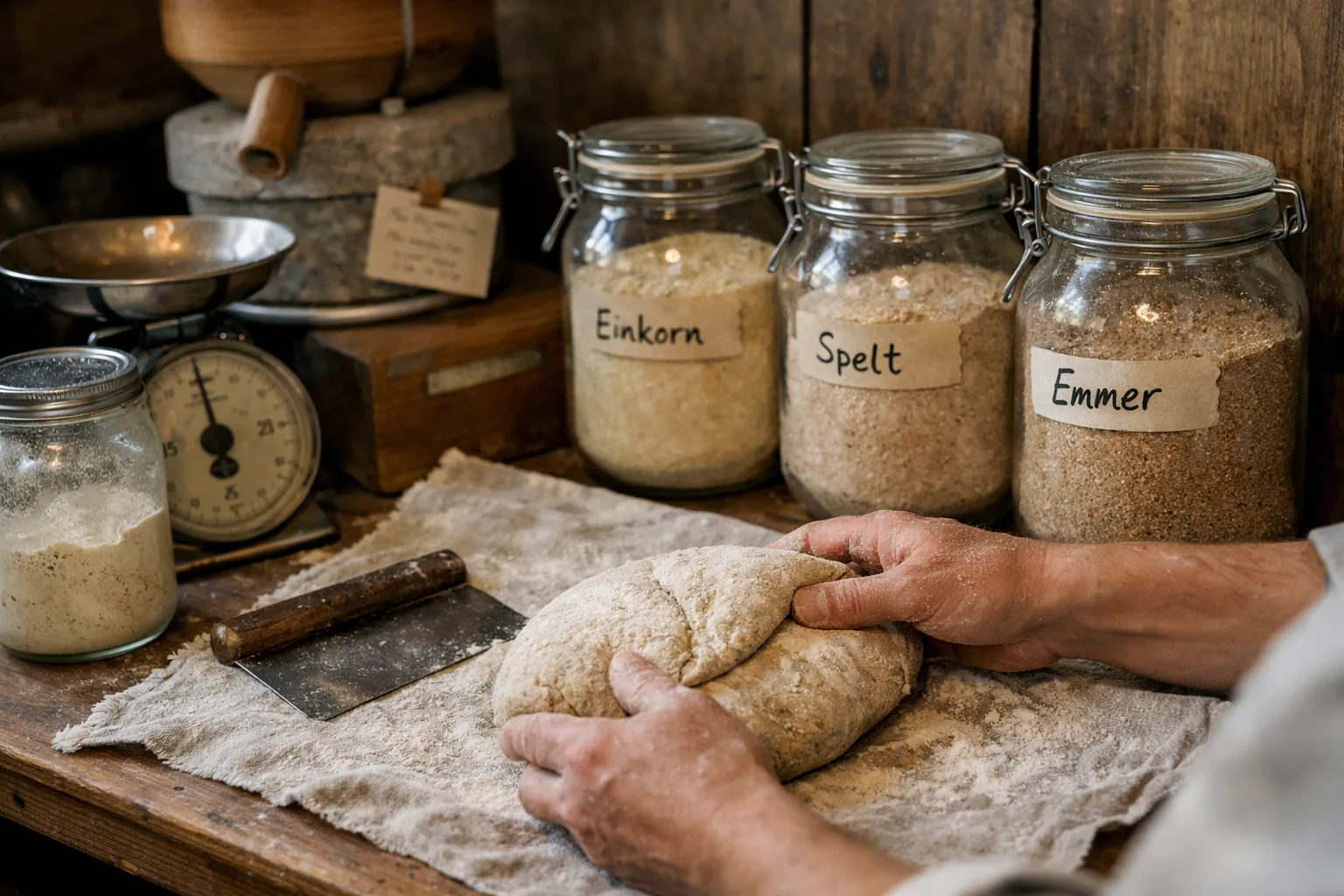
Overview: This updated June 2026 guide brings practical, evidence-based advice for home bakers using heritage and "ancient" grains—einkorn, emmer, spelt, khorasan (Kamut), and regionally adapted wheats. The goal: help you decide when to use pure heritage flour, how to adapt recipes for reliable results, and where to source fresher, better-packaged product in 2026.
Background: why heritage grains still matter
Interest in heritage grains continues to grow among food enthusiasts because of flavor, texture and provenance. What has changed since early 2026: more small mills and regional bakers have formalized direct-to-consumer channels, and millers are adopting improved shelf-stable packaging and clearer labeling (milling dates, protein %, sift level). These operational shifts make it easier to buy fresher product and to understand how a flour will behave in the mixing bowl.
Data and evidence: what has shifted in 2026
Three practical, verifiable shifts matter to home bakers:
- Transparency in labeling: Increasingly, producers list milling date and protein content on bags or product pages. That information lets you anticipate hydration and fermentation behavior—protein correlates with dough strength; milling date correlates with flavor and rancidity risk.
- Packaging improvements: Small mills are using vacuum-sealed bags, nitrogen flushing, or resealable pouches to slow oxidation of stone-milled whole-grain flours. These steps extend shelf life and preserve aroma if the flour is stored cool.
- Retail and supply changes: Subscription models and CSA-style flour shares have expanded, making regular access to a single-origin harvest more feasible. Local mill taprooms and farmers markets offer fresher options and direct communication with millers about varietal and harvest-year characteristics.
Multiple perspectives: millers, bakers and nutrition professionals
Small millers emphasize harvest-to-mill freshness: many recommend using stone-milled whole-grain heritage flours within 6–10 weeks at room temperature, or 4–6 months refrigerated or frozen. They also advise labeling packages with milling date.
Experienced home bakers report better results when they treat heritage flours as specialty ingredients—with conservative mechanical development, staged hydration, and methodical note-taking. Many now keep dedicated scales and small jars for active doughs to avoid cross-contamination of high-oil flours.
Nutrition and sustainability voices note that whole-grain heritage flours deliver fiber and micronutrients similar to other whole-grain flours; supporting small local growers can favor regional biodiversity, though comparative life-cycle impacts vary by farm practices and yield.
How heritage flours behave now—and what to test first
Across 2026 baking tests and practitioner reports, the core performance descriptions remain consistent, but bakers now pair them with a short testing protocol: weigh protein, check milling date, and bake a 20–30% substitution loaf before attempting pure heritage loaves.
Einkorn
- Gluten: weaker, more extensible—doughs spread and have low oven spring if treated like modern bread flour.
- Fermentation: avoid long, warm bulk rises; prefer short, cool fermentation or cold retard to protect structure from amylase activity present in some crops.
- Hydration and handling: start with the same or slightly lower hydration than AP; handle gently and use minimal degassing.
Spelt
- Gluten: fragile but forgiving if mixed gently. Whole-grain spelt soaks up water—white spelt behaves closer to AP flour.
- Technique: autolyse of 20–40 minutes helps; use short, gentle mechanical mixing or stretch-and-folds.
Emmer, Khorasan (Kamut) and other hulled wheats
- Texture: denser, more rustic crumb—excellent for hearth loaves, flatbreads and crackers.
- Blending: strong candidates for 20–60% blends with modern bread flours to retain flavor without losing volume.
Workshop-tested recipe adaptations and best practices
To get consistently good results, follow this updated, workshop-tested checklist before you bake:
- Weigh and read the bag: Use a scale. Note milling/harvest date and protein percentage. If protein is unavailable, assume weaker gluten for most heritage wheats.
- Start small: Begin with a 20–30% substitution into a trusted bread recipe. Treat this as a calibration bake to observe hydration and fermentation needs.
- Adjust hydration by feel and formula: Increase water incrementally for whole-grain heritage flours; reduce slightly for einkorn or particularly extensible batches. Note results in baker’s percentage.
- Autolyse and rest: 20–60 minutes of autolyse (flour + water) improves extensibility and reduces mechanical mixing needs.
- Limit mechanical development: Use stretch-and-folds or short mixer times. Overworking fragile gluten results in sticky, slack doughs.
- Control fermentation temperature: Cooler ferments (18–22°C / 64–72°F) often improve structure and flavor—except with some einkorn lots that do better with shorter, cooler bulk rests to prevent breakdown.
- Use purposeful blends for everyday breads: For sandwich loaves, consider 50–70% modern bread flour with 30–50% heritage flour. Add 1–2% vital wheat gluten only if you need measurable additional strength.
- Run a small-format test bake if uncertain: 250–400 g total dough gives fast feedback and reduces waste.
Storage and freshness: new options in 2026
Because stone-milled heritage flours retain more germ and oil, freshness matters. Current best practices:
- Buy small quantities (1–5 lb / 0.5–2.3 kg) unless you bake daily.
- Prefer bags that list a milling date; if unavailable, ask the seller.
- Use vacuum-sealed or nitrogen-flushed packages when possible. For long storage, portion into airtight jars or freezer bags and freeze to preserve aroma—thaw at room temperature before measuring.
- Label with milling date and planned "use by" date (weeks at room temp, months refrigerated or frozen depending on packaging).
Sourcing checklist and what to ask sellers
- Is this stone-milled and single-origin? Ask for mill or farm details.
- What is the milling date and the harvest year?
- What is the protein percentage and sift level (whole, white, sifted)?
- How is the flour packaged—vacuum, nitrogen-flush, resealable pouch?
- Do you offer small trial sizes or subscription options for regular fresh supply?
Implications for home bakers
Heritage grains reward curiosity and methodical testing. Expect to trade some convenience and oven-spring for complexity of flavor and regional identity. For everyday reliable volume—sandwich loaves, buns—use blends. For flavor-forward baking—rustic country loaves, crackers, pancakes—use higher percentages of pure heritage flour and accept a different texture profile.
Outlook: what to watch through late 2026
Watch for three practical trends that will shape home baking choices in the coming months:
- More transparent labeling from mills (milling date, protein, sift level).
- Wider availability of small trial-size packaging and subscription services for fresher product.
- Continued technique sharing in online communities and local workshops that reduce the learning curve for specific grains and harvests.
Bottom line
Heritage grains remain a valuable tool for home bakers who prioritize flavor, provenance and texture. In 2026 the market is maturing: clearer labels, better packaging and subscription options make freshness and consistency more achievable. Treat these flours as specialty ingredients—start small, measure carefully, and keep detailed notes. With modest adjustments to hydration, mixing and fermentation, you can enjoy the distinctive aromas and character these grains bring to your weekend loaves and everyday bakes.
FAQ
How much should I pay for heritage flours?
Prices vary widely by region, mill size and packaging. Expect a premium over commodity AP flour because of smaller production runs and specialized milling. Rather than focusing on absolute price, compare per-use cost (price per loaf) and factor in freshness—smaller, fresher purchases often give better flavor per dollar.
Can I use heritage flours in sourdough starters?
Yes. Heritage flours can make lively starters and often produce unique flavor profiles. Because some heritage wheats have different amylase activity, maintain regular feed schedules and monitor starter hydration—starters fed only on einkorn may behave more rapidly and become slack sooner than those on modern wheat.
Do heritage grains digest differently or are they healthier?
Whole-grain forms retain more fiber, vitamins and oils than refined flours, but health effects depend on overall diet. Some people report better tolerance to certain heritage wheats, but evidence is individual—any clinical claims should be discussed with a registered dietitian or medical professional.
Should I buy pre-sifted "white heritage" flours or whole-grain only?
It depends on your goals. Pre-sifted white heritage flours (bran partially removed) give lighter crumb and longer shelf life while preserving some flavor; whole-grain delivers maximum nutrition and flavor but needs stricter storage. Use white heritage flours when you want flavor without excessive density.
What's the quickest way to learn a new heritage flour?
Do a 20–30% substitution test bake using a small dough batch, weigh and note protein and milling date, adjust hydration as needed, and log the results. Repeat with a higher substitution after one or two tests. This minimizes waste and builds practical knowledge specific to that harvest.