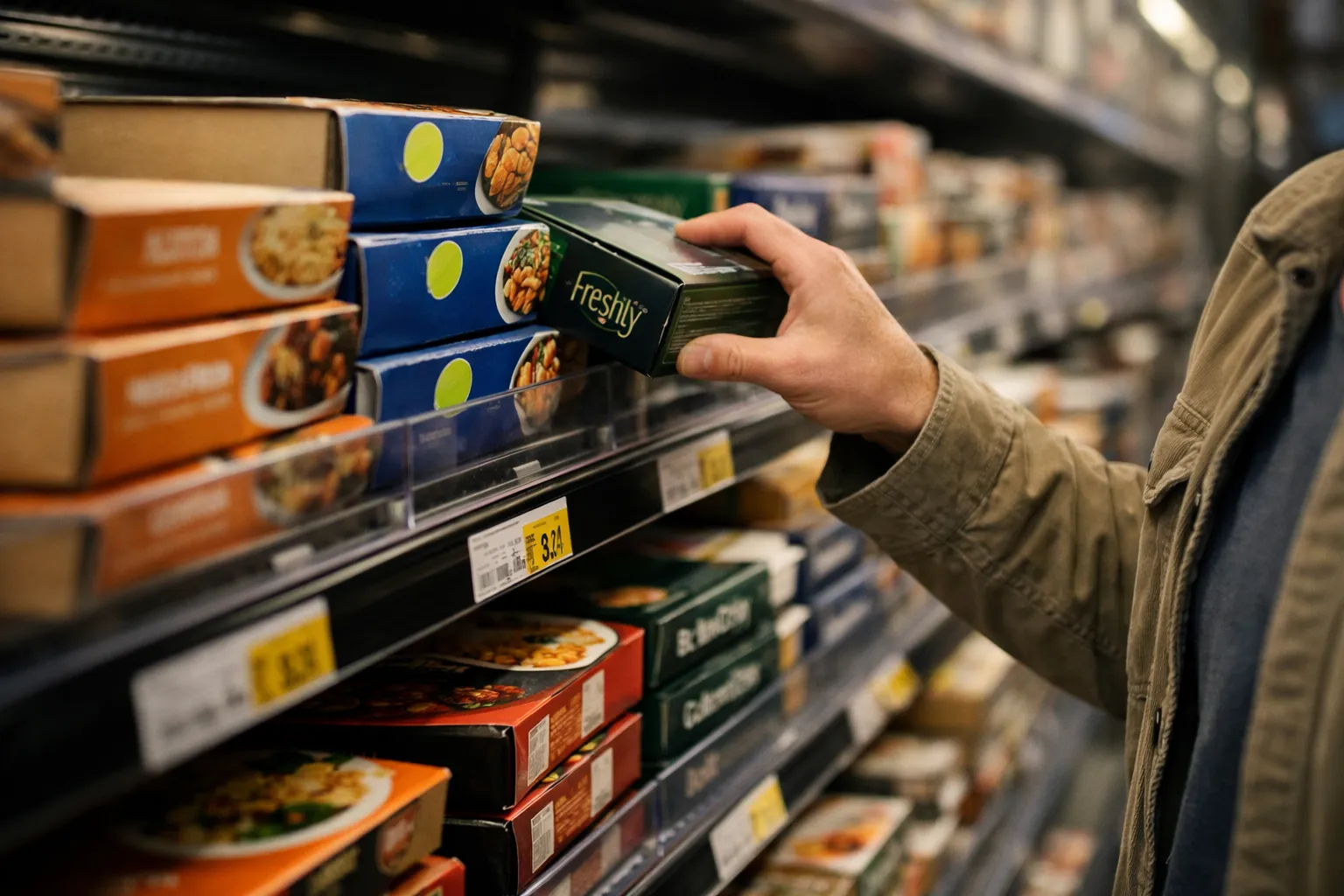
Overview: Since the original April 2026 analysis, the migration of meal kits away from locked subscriptions toward retail-ready SKUs and cloud‑kitchen hybrids has accelerated. For food enthusiasts and home cooks this affects price, freshness, culinary range and where you find chef-designed meals—on the supermarket shelf, in a prepared‑foods case, or as a same‑day delivery from a local ghost kitchen. This July 2026 update summarizes what’s changed, why it matters now, and how to navigate options with fresh, practical advice.
Background: what led to the renewed pivot
The forces identified earlier—consumer preference for flexibility, heavy subscription economics, and retailer strategy—remain the core drivers. Two additional pressures became more visible through mid‑2026:
- Operational scalability and digital integration: Retailers and meal‑kit brands are investing in systems that let them convert a recipe into multiple fulfillment formats (retail pack, heat‑and‑eat, or delivery) without rebuilding supply chains for each. That makes hybrid distribution far more cost‑effective than two years ago.
- Retail-led innovation and merchandising: Grocery chains have expanded chilled prepared‑food departments and are using meal‑kit assortments as a way to increase basket size and capture incremental prepared‑food spend, while deploying in-store sampling and QR-linked content to build demand.
Together these trends mean that the choice is no longer subscription vs. nothing; it’s a menu of formats with different tradeoffs—price, freshness, culinary ambition, and convenience.
Data and evidence: what the market signals show
Across North America and major European markets the same patterns have emerged:
- Retail-ready meal-kit SKUs have proliferated in refrigerated aisles and prepared‑foods counters. Chains report larger SKU counts and more frequent rotation of limited‑time chef collaborations.
- Cloud kitchens are increasingly used as local production hubs that supply both direct‑to‑consumer delivery and retail pickup/packaging for nearby stores—shortening the time-from‑cook to shelf and improving protein quality versus traditional centralized pack‑and-ship models.
- Subscription volumes have stabilized rather than collapsed; high-frequency users still prefer subscription convenience, but growth now comes mainly from hybrid members who combine on-demand retail buys and recurring deliveries.
These are market signals rather than a single dataset; the practical implication is that supply chains are being rewritten for multi‑channel distribution, and product design now optimizes for both shelf durability and delivery readiness.
How retailers and meal‑kit companies are structuring the new models
The landscape now supports a clearer set of operational models. Each approach has distinct operational mechanics and consumer outcomes.
-
Retail-ready “cook-at-home” refrigerated packs
Designed for shelf life, these kits use chilled, partially prepared proteins and stabilized produce to survive in-store handling. Packaging increasingly features QR codes linking to step‑by‑step videos, cook tips, and allergen details. Expect more mono-material and recyclable trays as retailers pursue sustainability commitments.
-
Store-prepared grab‑and‑go and heat‑and‑eat
Supermarket delis are scaling small-batch production for same-day meals, often using recipes licensed from meal‑kit brands. These items command higher per‑serving prices but deliver true “no prep” convenience and shorter cook-to-consume timelines than mass-produced frozen meals.
-
Cloud‑kitchen produced hybrids
Ghost kitchens now serve dual roles: fulfillment centers for delivery platforms and local production sites that pack fresh kits for nearby retailers. This model shortens delivery windows and enables fresher proteins and regionally tailored menus, because production is decentralized and responsive to local demand signals.
-
Co‑branded and private‑label lines
Meal‑kit brands increasingly license recipes to retailers and participate in joint merchandising. Private‑label meal kits give retailers margin control; brand partnerships give meal‑kit companies broader reach and avoid the fixed costs of last‑mile logistics.
Multiple perspectives
Retailers: Grocery executives view meal‑kit assortments as a lever for higher prepared‑food margins and greater frequency—particularly among younger shoppers who desire variety without commitment.
Meal‑kit brands: Many see hybrid distribution as survival strategy: maintain a subscription core for loyal users while using retail and cloud kitchens to reach lower‑frequency buyers and lower acquisition costs.
Cloud‑kitchen operators: Operators emphasize speed and freshness as their value proposition to brands and retailers; local production reduces cold-chain stress and spoilage risk.
Consumers and sustainability advocates: Enthusiasts welcome convenience and variety, but concerns remain about packaging waste from single-serve grab-and-go items. Consumer groups are pressing for clearer labeling of shelf‑life, sodium, and carbon/sourcing claims.
Implications for home cooks and food enthusiasts
The mid‑2026 market offers more choices—but also requires more discernment. Practical consequences:
- Price and value: Retail meal kits can be materially cheaper than delivered subscription boxes on a per‑serving basis, but premium proteins and chef collaborations can keep retail prices near subscription levels. Compare price per plated serving including pantry items you already own.
- Freshness and flavor: Cloud‑kitchen supplied kits generally taste closer to made‑to‑order delivery because proteins are handled locally. Shelf‑stable or chill‑optimized kits trade a fraction of texture for longer in‑store life.
- Culinary scope: Expect more heat‑and‑eat and short‑prep kits in retail assortments; cook‑forward, technique‑driven recipes remain strongest in subscription boxes or special limited editions sold through brand channels.
- Sustainability: Look for mono‑material packaging, clear recycling instructions, and retailer take‑back programs. Higher production volumes have allowed some suppliers to shift toward recyclable trays and reduced secondary packaging, but single‑serve proliferation offsets gains unless stores adopt reuse or deposit schemes.
Updated buying checklist — what to look for in July 2026
- Price per plated serving including staples (oil, salt). Retail packs can be cheaper—do the math.
- Shelf‑date and “pack date” visibility. Shorter pack-to-shelf windows usually correlate with better texture and flavor.
- QR content: recipe videos and finishing tips can elevate a simple kit into a restaurant-quality meal at home.
- Ingredient sourcing notes: look for clear protein origin and whether items are pre‑seared, pre‑marinated, or raw.
- Packaging recyclability and retailer take‑back options; favor mono‑material trays where possible.
Outlook — what to watch through the rest of 2026
Expect continued refinement rather than dramatic reversal. Key things to monitor:
- Regionalization scale: If more retailers invest in local production partnerships, fresh‑protein retail kits could become the dominant form in high‑density metros.
- Product stratification: A clearer three‑tier market may solidify—low‑cost retail kits, premium subscription boxes focused on culinary experimentation, and fully cooked ready‑meals for instant dining.
- Regulatory and labeling changes: Growing scrutiny of prepared‑food nutrition and packaging may drive standardized disclosures (sodium, pack date, recyclability), which would make comparison shopping easier for consumers.
- Technology integration: Expect more AI‑driven personalization at point of sale—dynamic product recommendations based on past purchases and in‑store inventory, and recipe tailoring via apps linked to QR codes.
Practical bottom line for readers
If you prize technique and ingredient control, subscription boxes still offer a superior canvas. If flexibility, price, and immediate convenience matter, retail kits and cloud‑kitchen hybrids now provide a credible, often cheaper alternative—especially when you shop with the updated checklist above. For enthusiasts: use retail meal kits to expand your repertoire quickly, try local cloud‑kitchen collaborations for fresher flavor, and reserve subscription boxes for deeper culinary projects.
FAQ — Quick answers
Are retail meal kits generally cheaper than subscription boxes?
Often yes on a per‑serving basis, because retail distribution lowers last‑mile costs. But premium proteins, chef collaborations, and ready‑to‑heat packaging can keep some retail SKUs comparable to mid‑range subscription prices. Always calculate price per plated serving including staples you already own.
Do cloud‑kitchen produced kits taste noticeably better?
They can. Local production shortens the time between cooking and consumption, which preserves texture and freshness—especially for proteins. The advantage is greatest in urban areas where production sites and retail outlets are close.
How can I reduce packaging waste when buying meal kits?
Choose kits with mono‑material trays, clear recycling instructions, or those participating in retailer take‑back or reuse programs. Buying larger, family‑style retail packs rather than multiple single‑serves also reduces packing per serving.
Should I still consider a subscription if I like variety?
Yes—if you cook several nights a week and value curated recipes and ingredient precision. Many brands now offer pauseable, flexible plans or hybrid subscriptions that combine periodic boxes with retail credit—worth exploring if variety plus technique matters to you.
What new label or tech features should I look for?
Look for QR codes linking to step‑by‑step videos, visible pack/pack‑to‑shelf dates, clear protein origin, and recycling icons. Some retailers now include brief carbon or sourcing badges—use them as one data point, not the whole story.