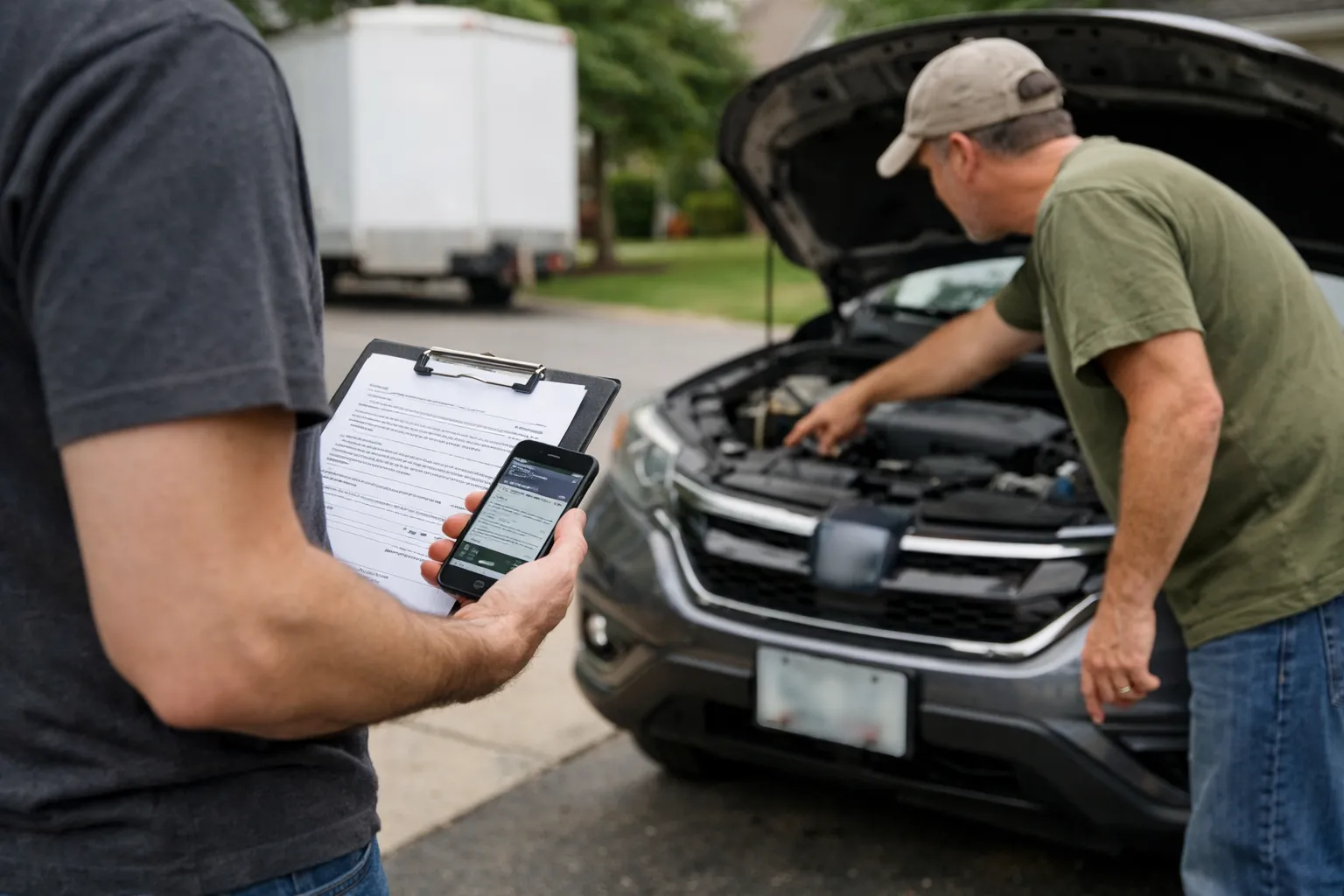
Buying a used car out of state is one of the most effective ways to find better condition, rarer trims or lower prices — but it adds paperwork, inspection and logistics. This 2026 step‑by‑step guide walks car buyers through the whole process: where to look, how to verify the vehicle, what paperwork and inspections you need, how taxes and registration work, and practical tips to avoid common pitfalls.
Why buy out of state in 2026?
Supply imbalances in the used market continue to push buyers to widen their search area. You might find a one‑owner, low‑mileage example of a popular model that’s gone unnoticed in another region. Regional differences (salt‑exposed cars in the Northeast vs. dry‑climate cars in the Southwest) and differing local demand can also create notable price spreads.
Step 1 — Search with a clear filter and a target
Set filters to reduce wasted trips. Start with:
- Make, model, year range and target mileage.
- Body style, drivetrain and preferred options (trim, sunroof, tow‑package).
- Limit search radius to 300–800 miles — farther increases transport costs.
Good sources: franchised dealer used inventories, independent dealers with nationwide listings, dealer marketplaces and auction outlets that sell retail vehicles. When you find candidates, compile a short list (3–5 cars) for deeper verification.
Step 2 — Verify basics remotely
Before contacting a seller, check these remotely:
- VIN check — Run a report (CARFAX, AutoCheck or state title records). Look for title brands (salvage, flood), odometer inconsistencies, odometer rollback flags, prior accidents and number of prior owners.
- Photos and service records — Ask for high‑resolution photos: full exterior, all four corners, undercarriage (if possible), engine bay, trunk, interior, and closeups of wear areas. Request maintenance or service invoices and original window sticker if available.
- Title status — Confirm the seller holds a clean transferable title in their name. If the title is branded or the vehicle is financed (lien listed), get details about payoff and lien release process.
- Odometer disclosure — For most vehicles younger than 10 years, federal rules require an odometer disclosure at transfer; confirm the current odometer reading and that the seller will provide the odometer statement.
Step 3 — Vet the seller and payment method
Seller types differ and affect risk and paperwork:
- Franchised dealer: Easier title work, short warranty possibilities, higher price but lower title risk.
- Independent dealer: Can be a good value; confirm reputation via reviews and Better Business Bureau records.
- Private seller: Often lowest price but more due diligence needed — verify identity and title.
Payment methods: avoid wiring money to unknown recipients. Preferred options for long‑distance purchases:
- Bank cashier’s check (issued at time of title transfer).
- Bank wire through an escrow service that holds funds until title and keys change hands.
- Escrow platforms designed for vehicle sales (verify their legitimacy and fees).
Step 4 — Arrange an independent pre‑purchase inspection
Never skip a professional inspection on an out‑of‑state buy. Options:
- Hire a local independent shop in the vehicle’s area. Ask for a full inspection covering engine, transmission, suspension, brakes, frame/underbody, fluid leaks and test‑drive notes.
- Use a third‑party inspection company that provides buyer‑facing reports and photos. Compare several vendors and request a sample report first.
- For EVs or hybrids, ask the inspector to check battery health, charging equipment and accessory costs — and to test‑drive at highway speeds.
Arrange the inspection to be paid by the buyer or via escrow — the cost (typically $150–$400 depending on depth and region) is small compared with the risk of buying sight unseen.
Step 5 — Negotiate with contingency
Negotiate price including the added costs of transport, registration and any repairs the inspection uncovered. Use a written purchase agreement or conditional bill of sale that includes contingencies:
- Price contingent on acceptable inspection results.
- Clear timeline for buyer to complete inspection and for seller to remedy issues or cancel the sale.
- Who pays for transport if the sale is canceled.
Step 6 — Finalize paperwork correctly
Key documents you must obtain and verify at closing:
- Signed title: Ensure the seller has signed and dated the title assignment section and included the accurate odometer reading (if required).
- Bill of sale: Include VIN, sale price, sale date, names and addresses of buyer and seller, odometer reading, and any "sold as‑is" language if applicable. Keep copies of IDs for both parties.
- Lien release: If the title listed a lien, obtain a formal lien release from the lender before final payment.
- Notarization: Some states require notarized signatures on title transfers — check the seller’s state rules and your home state’s registration requirements.
Tip: Photograph the signed title and bill of sale before payment. If mailing the title is required, use tracked, insured shipping and agree timelines in writing.
Step 7 — Taxes, registration and emissions
When you register the vehicle in your home state you will typically owe sales tax (or a use tax) based on your state’s rules. Key points:
- Most states collect tax at registration, not at purchase. Keep receipts and the bill of sale ready.
- If you buy from a state with no sales tax (e.g., Oregon, Montana, New Hampshire), expect to pay use tax when you register the vehicle at home.
- Vehicle safety or emissions inspections are often done at home state registration; some states require a smog certificate from the seller’s state if the vehicle is less than a certain age — verify both states’ requirements.
Example: If you buy in Florida and live in New York, you will pay New York state sales tax when registering in New York and must arrange for any NY inspection requirements after arrival.
Step 8 — Transport or pickup logistics
Decide whether to drive the vehicle back or ship it. Consider distance, time, cost and risk.
- Drive it home: Useful if the car is mechanically sound and you want to inspect on the return trip. Check temporary tags and insurance requirements for the receiving state before leaving.
- Professional auto transport: Get multiple quotes. Typical ranges in 2026 (subject to market and season): open transport coast‑to‑coast $700–$1,400; enclosed transport $1,300–$2,500. Remote pickup fees and pickup delays can add costs.
- Carrier proof and delivery inspection: Inspect vehicle at pickup and delivery; document pre‑existing damage on carrier paperwork to avoid disputes.
Step 9 — Insurance and temporary plates
Call your insurer before taking possession. You need at least the state‑required coverage to drive or transport legally. If you plan to drive the vehicle away, obtain temporary/transport tags from the seller’s state or a dealer, or get a trip permit from your state’s DMV. Verify:
- Minimum liability required for the seller’s and your state before you drive.
- Length of validity for temporary tags and whether they are valid across state lines.
Step 10 — After the car arrives — register, title, and maintain records
Once the car is in your possession:
- Register and title the car in your name at your local DMV within your state’s required timeframe.
- Pay use/sales tax and any registration fees. Keep receipts and copies of the signed title and bill of sale.
- If the seller agreed to rectify issues, get those repairs in writing and verify completion before closing the escrow or releasing final funds.
Common pitfalls and how to avoid them
- Hidden title problems: Always run up‑to‑date VIN checks and, when possible, confirm title status through the issuing state’s DMV.
- Unpaid liens: Never pay a seller if the title shows a lienholder. Get a written payoff and lien release or have the lender handle payoff directly.
- Scams and fake escrow services: Use reputable, documented escrow platforms or a bank you trust. Be skeptical of sellers who rush payment or refuse inspection.
- Incorrect odometer disclosure: If the odometer statement is missing or inconsistent, delay closing and get the seller to correct it.
- Transport damage disputes: Document condition with timestamped photos and sign carrier condition reports at pickup and delivery.
Practical timeline and cost estimate
Typical timeline for a cross‑state purchase:
- Search and shortlist: 1–7 days
- Remote verification and inspection scheduling: 2–7 days
- Inspection and negotiation: 2–5 days
- Payment, title transfer and transport booking: 3–10 days
- Transport and registration at home: 3–21 days depending on shipping and DMV backlog
Estimated costs beyond purchase price:
- Independent inspection: $150–$400
- Auto transport: $700–$2,500 (open vs enclosed and distance dependent)
- Temporary tags or trip permit: $10–$75
- Registration, title and tax: varies widely by state (sales tax often the largest item)
Checklist before you hand over money
- VIN check and title status verified
- Independent inspection completed and acceptable
- Bill of sale prepared with VIN, price and odometer reading
- Signed title or confirmed lien release ready
- Payment method agreed and secure (escrow or cashier’s check)
- Transport logistics confirmed, with pickup/delivery windows
- Insurance arranged and temporary plates obtained if driving
Final advice
Buying out of state can unlock better vehicles and prices, but it adds steps and risk. Invest in a solid inspection, verify the title and liens, use secure payment and document everything. If anything feels rushed or opaque, pause the deal. With patience and the right checklist, an out‑of‑state purchase can be a smart, cost‑effective way to get the exact car you want.