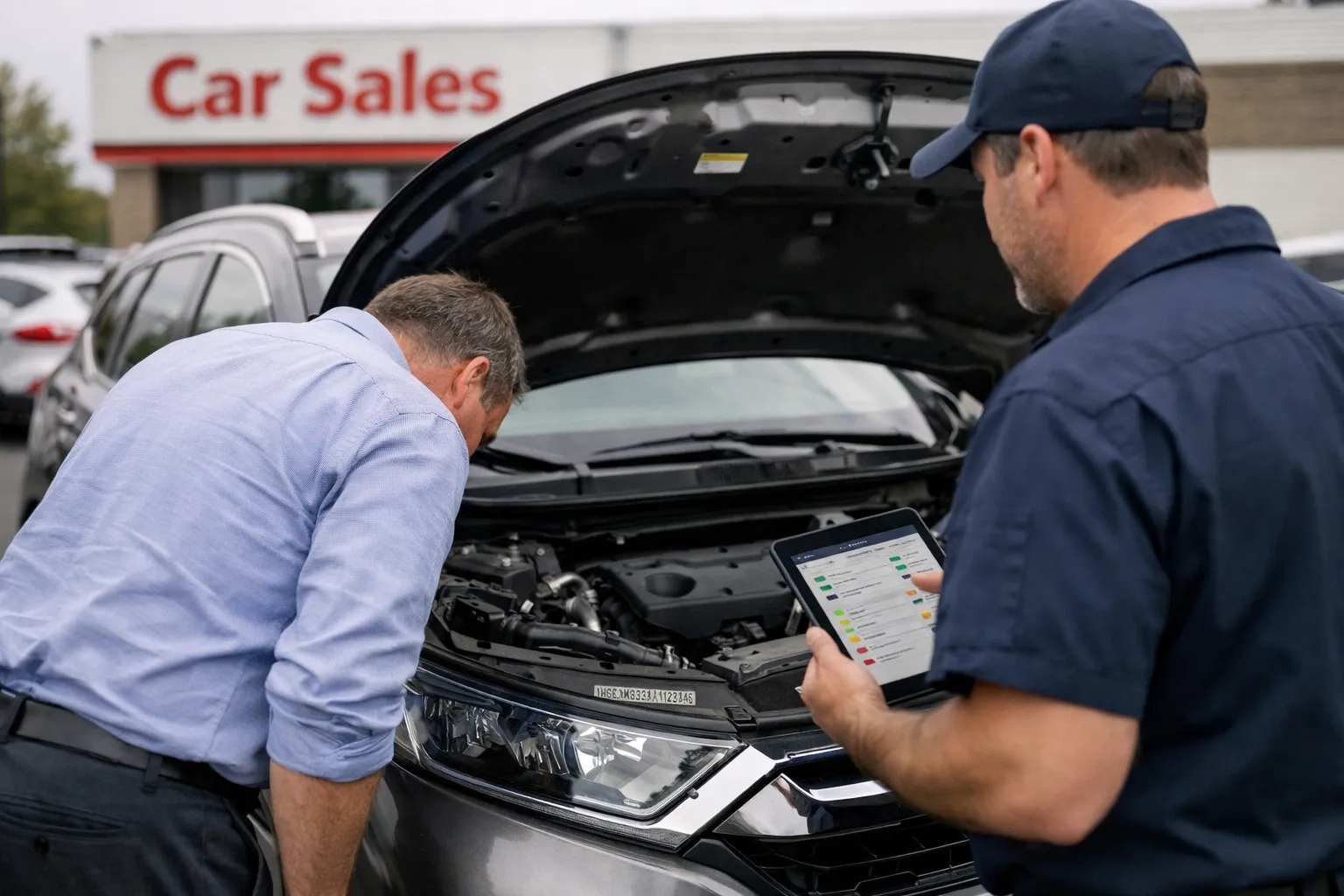
Rental fleets are one of the largest and most consistent sources of late-model used cars on the market. In 2026, as fleets refresh inventory more rapidly and some companies increase electrified vehicles in their lineups, buyers have more options than ever. But rental‑fleet cars also have distinctive wear patterns, maintenance histories, and sales channels. This guide walks a car‑buying enthusiast through the practical steps to evaluate, inspect, negotiate, and buy a used rental‑fleet car with confidence.
Why consider a rental‑fleet car?
There are three common reasons buyers target rental‑fleet cars:
- Price and availability: Fleets cycle vehicles frequently, which can increase supply of well‑equipped, late‑model cars at attractive prices.
- Maintenance discipline: Major rental firms perform routine maintenance on a schedule. That can be a benefit compared with private sellers who defer service.
- Consistent equipment: Rental fleets favor dealer‑maintained, common configurations—which simplifies comparison shopping and parts availability.
Where rental‑fleet cars sell in 2026
Choose the right channel—each has different buyer protections and pricing:
- Retail lots run by rental companies (Enterprise Car Sales, Hertz Car Sales, Avis Used Car Sales): Often marketed to retail buyers with a limited warranty and reconditioning. These are good starting points for buyers who want some consumer protections.
- Franchised dealers and independent used-car dealers: Many rental-fleet vehicles are sold through dealer outlets; prices can be higher but some dealers offer dealer-certified programs and financing.
- Online marketplaces (Carvana, Vroom, third-party aggregator listings): Offer convenience and delivery but inspect return policies carefully.
- Auction channels: Wholesale auctions (Manheim, ADESA) often list rental inventory. Auctions are lower cost but typically intended for dealers—retail buyers should be cautious and aware of limited recourse.
Pre‑search homework: what to research before you shop
- Compare similar cars — identify 3–5 comparable listings (same model, year, trim, mileage). Note asking prices, reconditioning claims, and any advertised warranties.
- Check the VIN — run CARFAX/AutoCheck and the NHTSA recall lookup for the VIN. Look for consistent service records, accident/insurance claims, title brands (salvage, rebuilt), and odometer inconsistencies.
- Service history questions — ask whether the vehicle received manufacturer‑recommended service intervals, and whether major items (timing belt, transmission service) were completed.
- Know typical fleet patterns — expect high commuting or highway miles, frequent short trips, and above‑average tire and brake wear depending on traffic patterns where the vehicle was used.
On‑site inspection checklist
Bring a printed checklist and a digital camera to document any issues. If buying remotely, request high‑resolution photos of every panel, the underbody, engine bay, and the instrument cluster trip meter.
- Exterior and body: Look for mismatched paint, uneven panel gaps, overspray around seams, and fresh touch‑ups—these could indicate prior repairs. Rental fleets repair small damage quickly, but larger bodywork should trigger caution and a VIN history check.
- Interior and wear: Check seat bolsters, steering wheel, pedals, and center console for heavy wear. Fleets often replace or clean upholstery, so superficial retail cleanliness isn’t proof of low use.
- Odometer and odometer history: Verify mileage matches reported values in vehicle history reports and maintenance logs. Ask for the most recent service odometer readings.
- Tires and brakes: Tire models and even tread depth across axles can show rotation practices; uneven wear may indicate alignment or suspension problems. Measure brake pad thickness—heavy pad wear suggests neglected or aggressive driving cycles.
- Underbody and suspension: Look for oil leaks, frame damage, bumper scrapes, and rust. Rental cars can rack up curb scrapes from city driving; significant underbody damage is a red flag.
- Electrical and infotainment: Test every switch, cup heater, backup camera, USB port, Bluetooth pairing, and HVAC setting. Fleets sometimes disable features or update software—confirm everything you expect is functional.
Test‑drive focus: what to listen for and how to drive it
A structured test drive is crucial. Drive at least 10–15 miles in mixed conditions.
- Start cold: Listen for rough starts, rattles, or excessive cranking.
- Transmission: Shift responsiveness, hesitation, or searching in automatics; check for clunking in gear changes in manual gearboxes.
- Steering and suspension: Drive over bumps and rough pavement—listen for clunks, creaks, or excessive body motion.
- Brakes: Strong, linear braking without pulsation. Any vibration through the pedal likely indicates warped rotors.
- Noise and vibration: Note any unusual vibrations at highway speeds—could indicate wheel balance, driveshaft, or tire issues.
Independent pre‑purchase inspection (PPI)
Always budget for a PPI by a trusted independent mechanic. Typical cost is $100–$250, but it’s a small price for uncovering major issues. For EVs or hybrids, the inspection should include high‑voltage system checks, coolant condition, and visible battery enclosure inspection. Ask the mechanic for a written report and estimated repair costs for any flagged items.
Paperwork and title checks
- Confirm the title brand and that it’s a clean title unless the seller discloses a branded title upfront.
- Request all service records—rental companies sometimes provide a maintenance summary. If records are sparse, treat that as a negotiation point.
- Check for open recalls and whether recall repairs were completed (NHTSA VIN lookup).
- For out‑of‑state purchases, evaluate registration and tax implications before committing.
Price expectations and negotiation tactics
Rental‑fleet vehicles are often priced to move, but market conditions vary by region and model. Use comparable listings and recent sale data to set a target price. A practical approach:
- Determine your maximum out‑the‑door price (including tax, title, registration, minor repairs you expect to do).
- Start negotiations by pointing to verifiable items: service gaps, tire/ brake replacement costs, fresh paint, or needed repairs found in the PPI.
- Use specific numbers: “The PPI estimates $1,200 to replace rear rotors and pads and $400 for front tires—with those costs, my offer is $X.”
Sample negotiation script:
“I like the car, but the PPI found [specific issues]. After factoring in necessary repairs and market comps, I’m prepared to offer $X today, which is fair given the work that needs to be done.”
Be prepared to walk away—the steady supply of fleet cars means good deals are recurring.
Warranties, returns, and financing
- Warranties: Retail lots from rental firms often include short-term limited warranties or 7–30‑day return windows. Read all warranty language carefully for exclusions (wear items, electronics, batteries).
- Certified programs: Some dealer-sold fleet vehicles may be included in manufacturer-certified pre‑owned programs; these add confidence but command higher price.
- Financing: Compare rates from a credit union or bank with dealership offers. Pre‑approval gives negotiating leverage.
- Sales tax and title: Expect to pay state sales tax and registration fees. Check local title branding rules before purchase if the car was previously titled elsewhere.
Special considerations for electrified and hybrid fleet cars
In 2026, more rental fleets include EVs and hybrids. Treat these deliberately:
- Ask for charging history or ask how the fleet managed state of charge—frequent shallow charging is not harmful, but extreme deep discharges or constant DC fast charging can affect battery longevity.
- Confirm remaining warranty coverage on battery packs and whether manufacturer battery warranties transfer to the second owner.
- Request a battery health report where available and insist on a PPI with a technician experienced in high‑voltage systems.
- Account for charging infrastructure at your home and in your area when calculating ownership cost.
Red flags that should make you walk away
- Title brands that don’t match seller disclosures (salvage, flood, rebuilt).
- Large gaps in maintenance history with irregular or unexplained entries on the CARFAX/AutoCheck.
- Extensive body repairs with no reliable documentation.
- Persistent mechanical noises or a PPI that shows frame damage or major engine/transmission issues.
- Seller resistance to independent inspection or refusal to allow a mechanic to inspect under the hood and undercarriage.
When a rental‑fleet car makes sense
It’s a good buy if the vehicle is:
- Late‑model with complete, verifiable service records;
- Sold with a limited retail warranty or at a price that leaves margin for routine wear items (tires, brakes) you’ll likely replace;
- Free of title brands and with a clean CARFAX/AutoCheck history or with any repairs well‑documented and explained;
- Offered by a retail channel that provides a short return window or buy‑back protection.
Closing checklist
- Run final VIN checks (CARFAX/AutoCheck, NHTSA recall database).
- Confirm the PPI findings are addressed in writing or reflected in the negotiated price.
- Obtain a bill of sale that states “as‑is” or includes any warranty details; ensure the title is transferable and clear.
- Collect all keys, remotes, owner’s manuals, and any maintenance receipts provided by the seller.
Buying a rental‑fleet car can yield excellent value: late model, well‑maintained vehicles with straightforward equipment and predictable history. The keys to success are detailed homework, a meticulous inspection, and disciplined negotiation based on verifiable repairs or service gaps. With the steps above, enthusiasts can turn rental‑fleet supply into smart buys in 2026.