
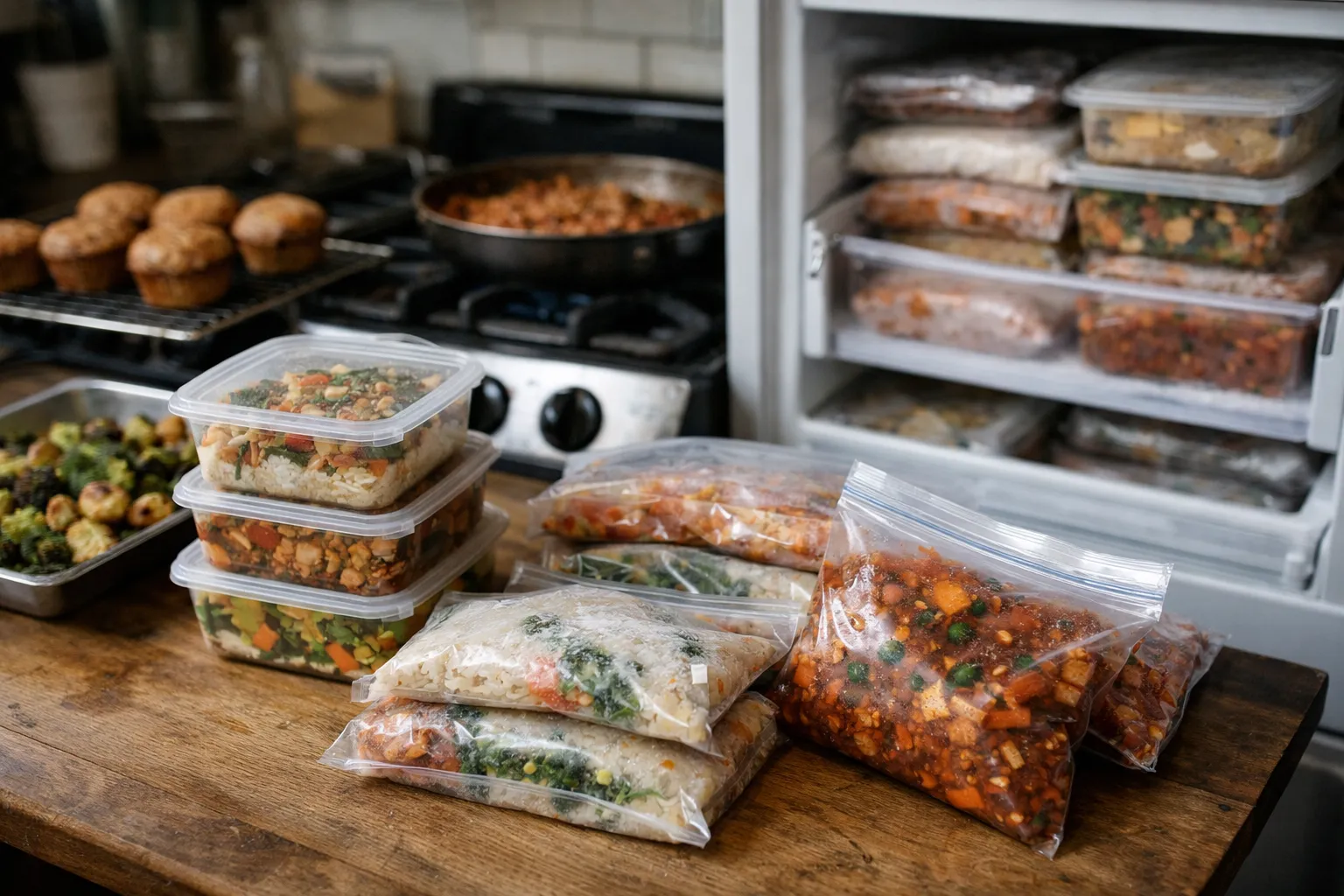
Overview
Freezer‑first batch cooking—making large batches and freezing portions for weeks or months—has been a staple productivity hack for home cooks for a decade. But with energy prices, appliance efficiency, and shopping habits shifting since the pandemic, is a freezer‑centric strategy still the best way to save money, cut food waste, and reclaim weekday time in 2026? This analysis compares the economics, energy use, food‑waste impact, and culinary tradeoffs of freezer‑first versus fridge‑rotation batch cooking. The numbers tell a different story than the marketing: the answer depends on your priorities and household profile.
Background: why this question matters now
Two trends intersected to revive interest in freezer‑first approaches: (1) higher grocery prices and constrained shopping frequency after 2020, and (2) improvements in freezer technology and vacuum‑sealing accessories. At the same time, recent volatility in residential electricity prices and renewed attention to food waste force a careful cost–benefit look.
Relevant baselines used in this analysis:
- Food waste: U.S. studies commonly estimate roughly 30–40% of food produced is wasted across the supply chain and at home (NRDC; USDA estimates vary by year).
- Residential electricity costs: U.S. average residential electricity has been in the range of roughly $0.12–$0.18 per kWh in recent years (U.S. EIA; regional variation is substantial).
- Freezer energy use: an ENERGY STAR chest freezer uses on the order of ~200–300 kWh/year; older upright freezers can exceed 400–600 kWh/year (EPA/ENERGY STAR guidance).
Data and evidence: costs, time, nutrition and waste
1) Energy and per‑meal electricity cost
How much does freezing cost you per meal? Use a concrete example: a modest ENERGY STAR chest freezer that consumes 250 kWh/year at $0.15/kWh costs about $37.50/year to run. If you store 150 meals in the freezer over a year, the incremental energy cost per frozen meal is ~25 cents (37.50 ÷ 150). An older, inefficient freezer drawing 500 kWh/year raises that per‑meal cost to ~50 cents.
That per‑meal energy cost is smaller than many people assume. But two caveats: (a) the calculation spreads the fixed energy cost across all uses of the freezer (meat, veggies, long‑term storage), so true incremental cost for a single batch depends on how fully you use capacity; (b) frequent freezers with poor seals or defrost cycles can spike energy use and negate savings.
2) Grocery savings and food waste reduction
Where freezer‑first often wins is preventing spoilage. If a household avoids wasting one cooked dinner per month by freezing instead of letting ingredients spoil, the annual food savings can exceed the running cost of the freezer. Example: if the average per‑meal grocery cost is $6 and freezing prevents four wasted meals a year, that’s $24 saved—already close to the ENERGY STAR chest‑freezer running cost shown above. If you prevent a dozen wasted meals, the net savings grow materially.
NRDC and other studies put household food‑waste shares in a range where behavior changes matter: reducing household waste by even 10–20% can translate into meaningful grocery savings. The fine print reveals a key point: freezer‑first reduces waste for prepared meals and cooked proteins much more reliably than it prevents waste of perishable salad greens or soft fruits.
3) Time and labor
Freezer‑first batch cooking typically frontloads time: a 2–4 hour weekend session can yield 8–12 weekday dinners. That is a consistent time saver for busy households. But time savings depend on organization and equipment—vacuum sealing and portioning multiply the time required up front. If you buy pre‑vacuumed portions or use simple resealable bags, the prep time falls but packaging quality and freezer burn risk change.
4) Nutrition and quality tradeoffs
Freezing preserves calories and macronutrients well and retains many vitamins better than prolonged refrigeration, but texture and flavor can degrade for some foods (e.g., raw lettuce, certain dairy‑based sauces). Blanching vegetables before freezing preserves color and vitamins. Studies in food science literature show that, for many vegetables and cooked grains, freezing within a few hours of cooking yields nutrient retention comparable to freshly cooked refrigerated food consumed within 48 hours.
Multiple perspectives
Energy‑conscious cooks: Focus on freezer efficiency. They recommend chest freezers (better thermal stability), full loads, and ENERGY STAR models. Their math emphasizes per‑meal energy cost under $0.50 if used well.
Frugal shoppers: Point to grocery‑price volatility and argue freezer‑first locks in value buys—bulk proteins and seasonal vegetables—reducing per‑meal ingredient cost. They stress vacuum sealing to reduce freezer burn and waste.
Quality‑first cooks: Prefer a fridge‑rotation or hybrid model. Their concerns: texture loss in frozen meals, and the upfront monotony of eating reheated meals. They often batch‑cook core components (grains, roasted vegetables, sauces) for fridge rotation rather than freezing complete plates.
Food‑waste advocates: Emphasize that method choice should be guided by what most commonly goes to waste in a household. For example, if your household wastes fresh herbs and salad greens, a freezer strategy won’t solve that; if you waste cooked proteins or stews, freezing is effective.
Implications for meal planners
- Look at your waste profile first. Track what you toss for two weeks: perishable produce, cooked meals, or proteins? If cooked meals and proteins dominate, freezer‑first yields high returns.
- Compute local energy costs. Plug your local residential electricity rate into a simple calculation: (freezer kWh/year × $/kWh) ÷ expected frozen meals per year = energy cost per meal. If that number is $0.75 and prevents even a handful of wasted grocery dollars monthly, it likely makes sense.
- Choose the right freezer and fill it. ENERGY STAR chest freezers provide the best kWh/yr baseline; keep freezers well packed and avoid repeated thaw‑refreeze cycles.
- Hybrid approaches often win. Batch‑cook base components (grains, legumes, sauces) and refrigerate for midweek use; freeze only full plates or proteins you won’t eat within 3–5 days. That reduces upfront packaging time and preserves texture for the items you care about most.
- Use portioning to limit waste. Freeze in meal‑sized portions so you only defrost what you need. Vacuum sealing or removing air from bags extends quality and reduces freezer burn.
Outlook: what to watch for in 2026 and beyond
Two developments could shift the balance further:
- Appliance efficiency improvements. Continued rollout of more efficient freezers will lower per‑meal energy costs and expand the cases where freezer‑first clearly wins.
- Smart home integration and dynamic rates. If time‑of‑use electricity pricing expands, running freezers during lower‑cost hours or leveraging smart circuits may reduce effective running costs—making freezer storage cheaper.
Watch shopping patterns too: if bulk discounts and larger package sizes become common again, freezer storage becomes more valuable; if retailers keep pushing smaller, fresher assortments, the fridge‑rotation model could regain ground.
Practical checklist: when to choose freezer‑first
- Buy bulk proteins or cook large stews and you can’t eat them within 3–4 days.
- Your household wastes cooked meals or proteins more than fresh produce.
- You own or can buy an efficient freezer and can maintain decent utilization (keep it reasonably full).
- You’re willing to invest a little more upfront time in portioning and vacuum sealing.
When fridge‑rotation is better
- Your primary waste is leafy greens, herbs, or soft fruits.
- You prefer fresh textures and eat dinner at different patterns, making frozen meals less appealing.
- Your local electricity costs and/or freezer inefficiency make freezing expensive per meal.
FAQ — common questions
Does freezing destroy nutrients?
Not generally. Freezing preserves macronutrients and many vitamins well, especially if you freeze soon after cooking. Some textural changes occur, and delicate fresh items (e.g., salad greens) don’t freeze well.
How long can I safely freeze home‑cooked meals?
Most cooked dishes maintain good quality for 2–6 months in proper packaging; safety is usually preserved longer if kept frozen continuously, but quality declines over time. Label with date and use oldest first.
Is vacuum sealing worth the cost?
Vacuum sealing reduces freezer burn and extends quality. If you freeze large volumes or plan long storage (>2 months), it’s cost‑effective. For short‑term freezing (1–4 weeks), sturdy resealable bags pressed to remove air are often sufficient.
How do I estimate my freezer's per‑meal cost?
Multiply your freezer’s annual kWh (manufacturer or ENERGY STAR data) by your local $/kWh, then divide by the number of frozen meals you expect to store/use in a year. That gives a simple per‑meal electricity cost to judge against food savings.
Bottom line
Freezer‑first batch cooking remains a powerful tool in 2026 for many households, but it’s not a universal default. When you factor in real energy costs, appliance efficiency, and what your household actually wastes, a hybrid approach—freeze what prevents waste and refrigerate what you’ll eat within days—often delivers the best balance of savings, quality, and convenience. The numbers don’t support a one‑size‑fits‑all prescription: run the simple math for your freezer and waste profile, and the right strategy will be obvious.