Overview — What we’re reviewing
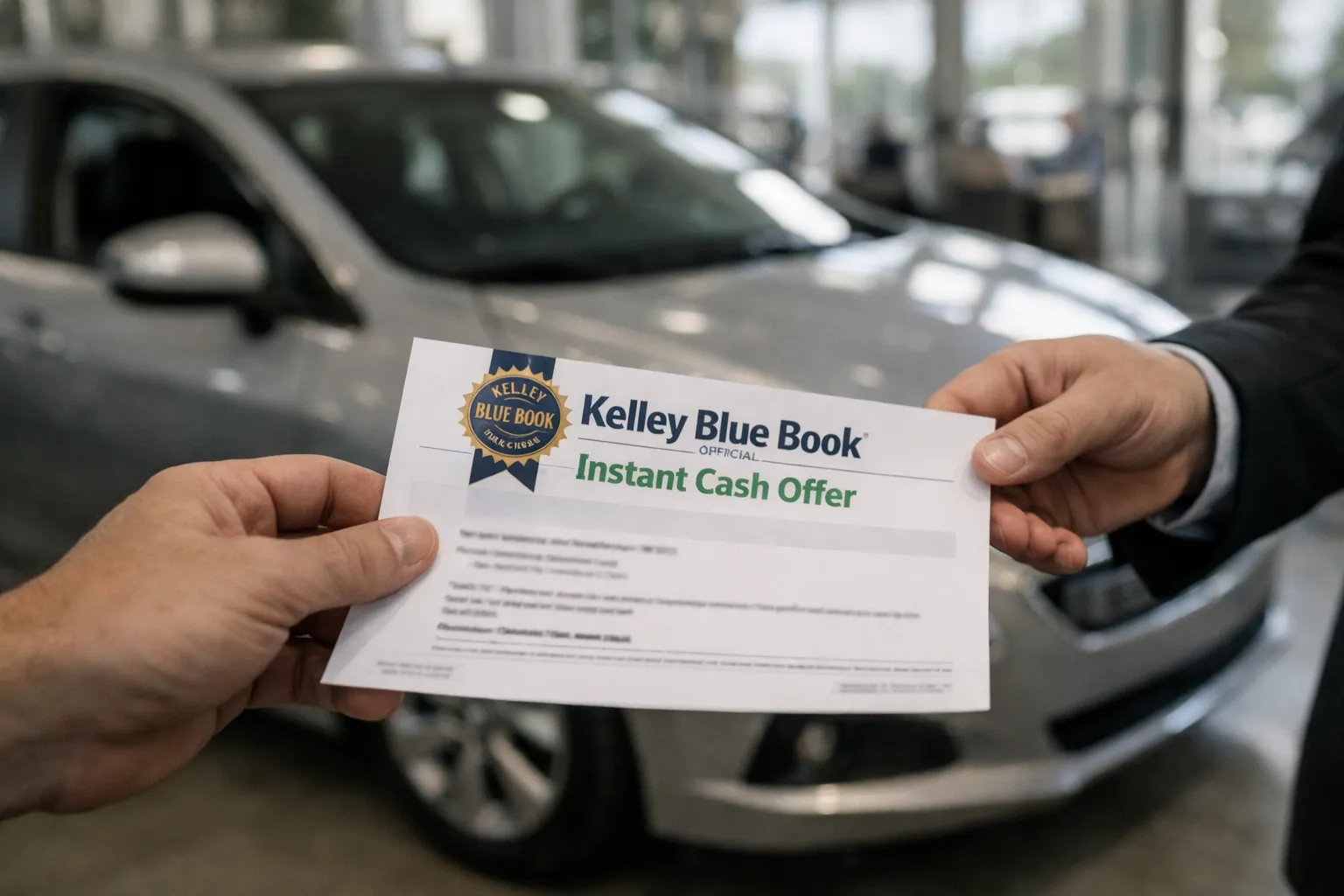
Kelley Blue Book’s Instant Cash Offer (ICO) is an online appraisal and voucher that purports to give car sellers a quick, time‑limited buyout value they can redeem at participating dealers. Key specs at a glance:
- What it is: Free online valuation that issues a downloadable voucher after you submit VIN, mileage, condition and photos.
- Voucher life: Typically 7–10 days depending on state and dealer participation (confirm on issuance).
- Usage: Redeemable at participating dealers as a baseline for a cash purchase or trade‑in — final payout depends on dealer inspection.
- Best for: Sellers who want speed and a documented baseline versus a time‑consuming private sale.
Background — Who makes ICO and who it’s for
Kelley Blue Book (KBB) is a long‑established automotive valuation service used by consumers, dealers and lenders. ICO targets a mass market of private sellers who want a quick, relatively low‑friction way to convert a vehicle to cash or an assured trade‑in value when buying a car from a dealer. The typical user is a consumer trading toward a dealer purchase, someone downsizing a fleet vehicle, or a private seller who prioritizes convenience and speed.
Features analysis — what’s changed in 2026 and how ICO performs now
ICO’s core workflow remains unchanged: enter VIN and details, upload photos, receive a voucher. But recent 2026 developments you should know:
- Tighter EV and truck segments: Demand and low inventory for certain EVs and off‑road trucks means dealers sometimes pay premiums above standard online baselines. That can make ICO conservative for high‑demand, low‑supply models.
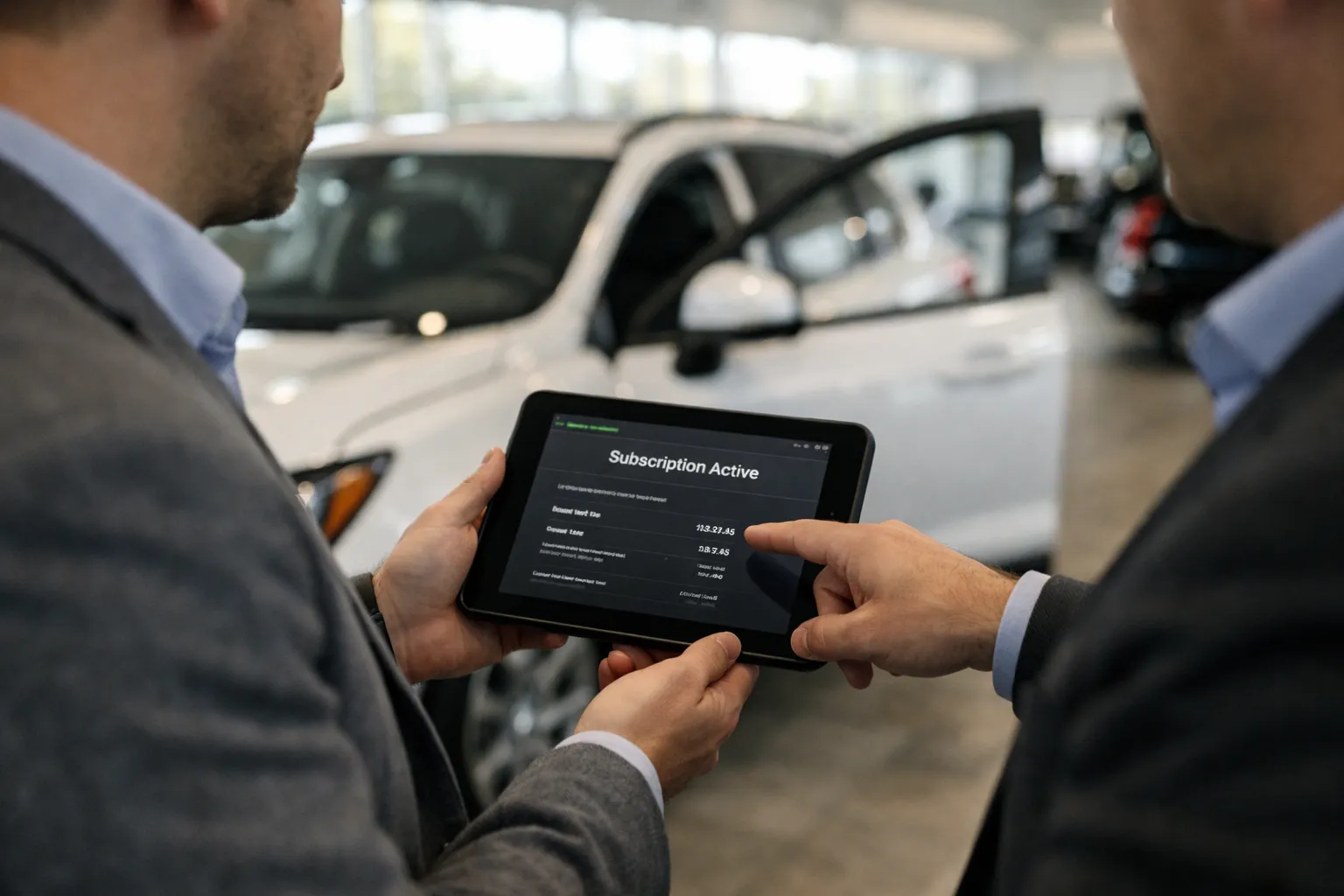
- Battery and software transparency: For electrified vehicles, dealers increasingly ask for recent battery state‑of‑health (SOH) diagnostics, firmware version, and any active manufacturer subscriptions. Submitting a battery report with your ICO reduces post‑inspection write‑downs.
- Photo‑based condition scoring: Both dealers and online buyers now use automated photo scoring to flag discrepancies between claimed and actual condition. Clear, well‑lit photos reduce the risk of inspection adjustments.
- Dealer acceptance nuance: More dealers accept ICO vouchers as a trade‑in baseline than as a firm, cash‑purchase commitment. Always confirm whether the dealer will buy the car outright or treat the voucher as a negotiating anchor.
Pros — Where ICO adds clear value in November 2026
- Speed and documentation: Use ICO to generate a time‑stamped, printable offer you can present to any participating dealer in minutes.
- Convenience for dealer transactions: When you’re buying a vehicle and plan to trade in, an ICO voucher shortens negotiation and streamlines the trade paperwork.
- Risk mitigation relative to private sale: ICO avoids strangers at your home, payment risk and lengthy buyer coordination.
- Useful market benchmark: The voucher acts as an objective starting point when comparing CarMax, Edmunds Instant Offers, or local dealer quotes.
Cons — What still limits ICO’s usefulness
- Conditional and inspectable: ICO remains subject to dealer inspection. Unexpected damage, title issues, or discrepancies in photos can materially reduce the final check.
- Often below private sale top dollar: For sellers prioritizing maximum proceeds, a well‑executed private sale still typically yields more, especially for highly desirable models in good condition.
- Voucher variability: Voucher terms and dealer policies vary by region. In some smaller markets a voucher is treated as an informational quote; in larger markets dealers may be more likely to pay or exceed it.
- EV specifics can complicate value: Without a recent battery SOH report or evidence of active warranty/recall resolutions, EVs are prone to larger post‑inspection adjustments.
Pricing and value — what ICO costs and what you should expect
Creating an ICO is free. There are no fees to generate a voucher. What affects your net proceeds are:
- Actual dealer acceptance (cash purchase vs. trade‑in).
- Post‑inspection adjustments for condition, title or mechanical issues.
- Tax and registration implications — trading in can lower taxable purchase price in many states; a cash sale will not.
Value proposition: ICO is low‑cost (free) and low‑effort. If you need speed and a documented offer when visiting dealers, ICO offers high value. If you’re chasing the absolute top dollar, factor in listing costs, time and sale risk for a private sale.
How ICO stacks up against the main alternatives
- Private sale: Highest potential sale price but requires listing, vetting buyers, meeting safely, and handling the bill of sale/title transfer.
- CarMax / large in‑person buyers: In many markets an in‑person appraisal provides a firm written offer that is often competitive with or above ICO for mainstream models.
- Other online buyers (e.g., Edmunds, national remarketers): These provide competing instant offers; shop at least two to three fast appraisals to build leverage.
Practical tips — get the best result from an ICO in late 2026
- For EVs: include a battery SOH report — obtain and upload a recent diagnostic (dealer or independent) showing battery health and firmware state.
- Use high‑quality photos: Natural daylight, 3/4 exterior shots, interior, odometer and any damage. Automated photo‑scoring systems penalize vague images.
- Request written confirmation: Before leaving the dealer, get the voucher amount and whether it’s a cash purchase or trade‑in written into any dealer estimate.
- Compare rapidly: Generate an ICO, request an in‑person CarMax or local dealer appraisal, and get at least one online buyer quote — price differences can be material on the same day.
- Be realistic about time windows: If you have a high‑demand model, redeem offers quickly — a 7‑day voucher can be undercut by shifts in regional demand.
Who ICO is for — specific use cases
- Buying from a dealer and wanting a documented trade‑in baseline to simplify paperwork and negotiation.
- Needing a quick, no‑hassle sale for a vehicle with straightforward condition and clean title.
- Owners of mid‑supply models who prefer convenience over maximal proceeds; use ICO as a fall‑back while testing private‑sale channels.
Alternatives to consider
- CarMax or local large franchised buyers: Often provide same‑day firm offers after inspection.
- Edmunds Instant Offers / other aggregator tools: Similar workflow — compare at least two instant offers.
- Private sale with pre‑inspection: Combine a LemonSquad or independent inspection report with your listing to justify a higher asking price and reduce buyer skepticism.
Verdict — when to use Kelley Blue Book ICO in November 2026
KBB’s Instant Cash Offer remains a practical, no‑cost tool for sellers who value speed, documentation and dealer convenience. In late 2026 it is particularly useful as a bargaining chip when trading at a dealer or for avoiding private‑sale hassles. However, ICO is conditional, often conservative relative to private sale prices, and can understate value for clean, in‑demand EVs and trucks.
Bottom line: use ICO as one timely data point — create the voucher, supplement it with a battery report or independent inspection for EVs, and shop competing instant offers before committing. That approach gives you the speed of ICO without leaving meaningful money on the table.
Frequently asked questions
Is an ICO voucher a guaranteed price?
No. ICO vouchers are conditional and subject to a dealer's inspection. Dealers may honor the voucher as a baseline or as a final cash purchase depending on their policy and any issues found during inspection.
Should I get an independent inspection before redeeming an ICO?
For higher‑value vehicles, older cars with known issues, or EVs where battery health matters, a pre‑inspection (paid) can reduce the likelihood of large post‑inspection reductions and strengthen your negotiating position.
How quickly do I need to redeem an ICO voucher?
Voucher windows vary, but they are commonly 7–10 days. Redeem promptly for models in high demand — regional market shifts can make a voucher less competitive within days.
Will ICO beat a private sale price?
Usually not. Private sales typically yield more, especially for sought‑after models in excellent condition. ICO trades speed and convenience for predictability, not maximum proceeds.
Do dealers ever pay more than the ICO value?
Yes. Dealers in tight markets or looking for clean, low‑mileage inventory — particularly for certain EVs and popular trucks — may pay above the ICO to secure a specific unit. Use competing offers to capture that premium.