
By Dr. Emily Torres — Health & Wellness Correspondent
Introduction — What you'll learn and who this is for
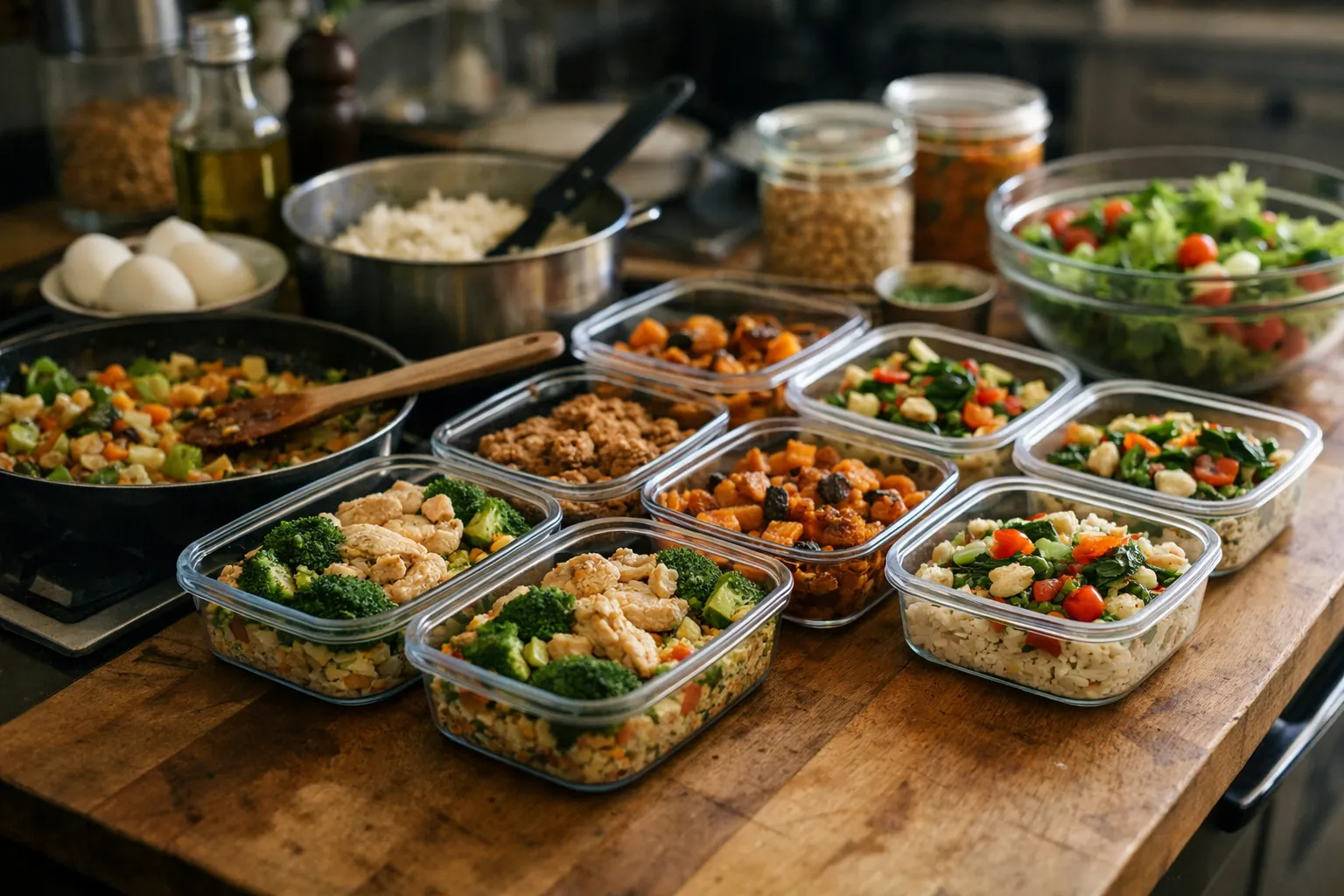
This guide walks home cooks and meal planners through a practical, evidence‑based approach to batch-cooking a 7‑day low‑FODMAP menu tailored for people with irritable bowel syndrome (IBS) or sensitive guts. You’ll get a complete shopping list, a time‑efficient cook‑day schedule, storage and reheating rules, portioning tips tied to FODMAP thresholds, and a clear plan for reintroducing foods. The goal: reduce symptom triggers while keeping meals varied, affordable, and easy to reheat.
Why it matters: randomized trials and clinical reviews show that a low‑FODMAP diet can reduce IBS symptoms for many patients (see Halmos et al., 2014). But translating that into real weekly meal plans is hard for busy people. This guide makes it actionable.
Prerequisites / Important context
- Medical clearance: If you have IBS, complex digestive disease (e.g., IBD, celiac disease), diabetes, food allergies, or are pregnant, consult your clinician or a registered dietitian before starting an elimination diet.
- Elimination vs. maintenance: This guide is written primarily for the elimination phase (2–6 weeks) under professional supervision or as a short-term test. Use it as a maintenance template only after you and your clinician/dietitian confirm it's right for you.
- Reference tools: Use the Monash University FODMAP app (the standard reference for FODMAP content and serving sizes) while planning and portioning. The app is continually updated with lab-tested data.
- Evidence base: Clinical studies (e.g., Halmos et al., Gastroenterology, 2014) show symptom improvement on low‑FODMAP diets; clinical guidance recommends dietitian support for reintroduction and long‑term nutrition.
Step 1 — Understand low‑FODMAP basics (quick primer)
Why: FODMAPs (Fermentable Oligo-, Di-, Mono-saccharides And Polyols) are short-chain carbohydrates that can trigger gas, bloating, and abdominal pain in sensitive people because they ferment in the gut.
Key practical rules:
- Avoid common high-FODMAP ingredients during elimination: garlic, onion, wheat (large portions), apples, pears, stone fruits, high-lactose dairy, and some legumes.
- Safe cooking substitutions: use garlic‑infused oil for flavor (the fructans in garlic are insoluble and do not leach into oil), choose lactose‑free dairy, and use low‑FODMAP grains like quinoa, rice, and certified oats in recommended portions.
- Portion size matters: some foods are low‑FODMAP only at specific servings — check the Monash app before doubling portions.
Step 2 — The 7‑day sample menu (batch-cook friendly)
The sample below is designed for one person eating two prepared meals per day (lunch + dinner) plus a simple breakfast and snacks that require minimal prep. Adjust quantities for household size.
- Breakfasts (make-ahead or daily): Lactose-free Greek yogurt with 2 tbsp chia, 1/2 banana (low serving), and 2 tbsp certified low‑FODMAP granola — or overnight oats made with rolled oats, lactose‑free milk, and blueberries (1/4 cup).
- Lunches (batch portioned):
- Monday/Tuesday: Grilled lemon herb chicken + quinoa + roasted carrots & spinach
- Wednesday/Thursday: Turkey meatballs (no onion garlic) in low‑FODMAP tomato sauce + polenta
- Friday/Saturday: Pan-seared firm tofu marinated in tamari + brown rice + sesame green beans
- Sunday: Salmon + roasted potatoes + steamed bok choy
- Dinners (reuse or vary): Use the same proteins mixed with different grains/veggies or make grain bowls with fresh herbs, lemon, and permitted dressings.
- Snacks: Low-FODMAP fruit portions (e.g., kiwifruit, small orange), rice cakes with peanut butter, lactose‑free cottage cheese (portioned).
Why this works: repeating base proteins and grains reduces cook time while rotating vegetables preserves variety and micronutrients. Proteins freeze well and reheat cleanly; most vegetables roast or steam in bulk.
Step 3 — Shopping list and equipment (for 1 week's prep, single person)
Prep for a single batch-cook session serving two prepared meals per day for 7 days (14 portions).
- Proteins: 1.2 kg boneless chicken thighs or breasts, 700 g ground turkey, 600 g firm tofu, 4 salmon fillets (120–150 g each)
- Grains & starches: 500 g quinoa, 1 kg brown rice, 600 g polenta or potatoes
- Vegetables: 1 kg carrots, 400 g spinach, 600 g green beans, 500 g bok choy, 4 cups mixed lettuce for fresh salads
- Dairy & alternatives: Lactose‑free Greek yogurt, lactose‑free milk
- Flavorings: Garlic‑infused olive oil, fresh herbs (parsley, basil), ginger, lemon, tamari (gluten-free soy sauce), salt, pepper
- Pantry: Canned chopped tomatoes (check for onion/garlic), low-FODMAP broth or homemade chicken stock (without onion/garlic), chia seeds, peanut butter
- Equipment: 2 large sheet pans, one large pot, rice cooker or pot for grains, baking tray, 12–16 food‑grade meal containers (microwave-safe), labels and marker
Step 4 — Batch‑cook schedule: a practical 3‑hour cook day
Plan: 2.5–3 hours active time. Everything below is numbered so you can follow step by step.
- Preheat & prep (0–15 minutes): Preheat oven to 425°F (220°C). Rinse quinoa and brown rice. Chop carrots, potatoes, green beans, and bok choy. Marinate proteins: chicken with lemon, herbs & olive oil; tofu in tamari & ginger; turkey mixed with egg and allowed binder (use gluten‑free crumbs if needed).
- Roast root veg (15–45 minutes): Toss carrots and potatoes with garlic‑infused oil, salt, pepper; roast on one sheet pan for ~30–35 minutes until tender (turn halfway). These can be used across multiple meals.
- Cook grains (20–40 minutes): Start quinoa and brown rice per package directions—use rice cooker or pot. Quinoa 15–20 minutes; brown rice 40 minutes (start first if using stovetop).
- Bake proteins (40–70 minutes): Place marinated chicken and turkey meatballs on second sheet pan; bake chicken ~20–25 minutes (internal temp 165°F / 74°C), meatballs 18–22 minutes. Bake salmon later for 10–12 minutes to remain flaky.
- Stir‑fry quick veg (65–85 minutes): In a large skillet, stir‑fry green beans and bok choy in garlic‑infused oil and tamari for 6–8 minutes. Wilt spinach quickly in batches with lemon.
- Finish tofu and cool (75–95 minutes): Sear tofu in a nonstick pan or bake for 15–20 minutes until browned. Let all cooked food cool 20–30 minutes before packing (reduce condensation in containers).
- Portion & label (95–120 minutes): Use measured scoops to portion proteins (~120–150 g cooked), grains (3/4–1 cup cooked depending on appetite and FODMAP serving), and 1 cup cooked vegetables per meal. Label containers with date and contents.
Timing note: total active time depends on your appliances; working in parallel (grains while roasting) saves time.
Step 5 — Portioning, storage, and food‑safety rules
Food safety is crucial for weekly meal prep.
- Cooling: Cool cooked food to room temperature within 2 hours, then refrigerate. Divide large batches into shallow containers to speed cooling.
- Refrigerator storage: USDA guidance: cooked poultry, meats, and casseroles are safe for 3–4 days in the refrigerator; plan to eat refrigerated meals within that window. If you need meals later in the week, freeze portions.
- Freezer storage: Most cooked proteins and grains freeze well for 1–3 months. Label containers with date and contents.
- Reheating: Reheat to internal temperature of 165°F (74°C) before eating. Reheat once; do not repeatedly reheat the same portion.
- Monash portioning: For borderline foods (e.g., certain fruits, oats), refer to Monash portion guidance before increasing serving sizes.
Step 6 — Reintroduction and symptom tracking
Why: The elimination phase is not intended to be permanent — the goal is to identify individual triggers and expand the diet.
- After 2–6 weeks of elimination, reintroduce one FODMAP subgroup at a time (e.g., lactose, then fructans) under dietitian guidance.
- Introduce a full‑strength portion on day 1, then monitor symptoms for 48–72 hours.
- Keep a symptom and food log — record time of meal, portion, and any symptoms (bloating, pain, stool changes) using a simple 0–10 severity scale.
Use reintroduction results to customize future weekly prep — you may be able to re‑include certain foods, simplifying shopping and improving variety.
Common mistakes to avoid
- Assuming all “gluten‑free” or “low-sugar” foods are low‑FODMAP — always check ingredients and portion sizes (e.g., high-fructose syrups, onion powder).
- Overportioning: large servings can convert a low‑FODMAP food into a high‑FODMAP exposure.
- Skipping professional support for reintroduction: prolonged unnecessary restriction risks nutrient gaps and social burden.
- Poor cooling: putting large hot pots directly into the fridge slows cooling and increases bacterial risk—divide into shallow containers.
Pro tips (advanced)
- Use dual-purpose bases: Cook a single grain (quinoa) and pair with different proteins and dressings across meals to avoid monotony.
- Flavor boosters: Build flavor with fresh herbs, citrus zest, chives (green, not white bulbs), and garlic‑infused oil to mimic savory depth without FODMAPs.
- Batch sauces carefully: Make a low-FODMAP tomato sauce without onion/garlic, or use separate small condiment jars so you can apply sparingly and limit FODMAP exposure.
- Freeze smart: Freeze individual meals flat in freezer bags for quick stacking and to defrost single portions faster.
- Use the Monash app during cooking: If you’re unsure about a serving size or food, check the app in real time for lab-tested portion thresholds.
FAQ
Can I use garlic or onion powder if I strain it out?
No — garlic and onion powders contain fructans that are water‑soluble and not removed by straining. Instead, use garlic‑infused oil (made by steeping garlic cloves in oil and removing them) for garlic flavor without fructans. Always verify preparation methods and serving sizes with a dietitian or the Monash app.
How long can I keep cooked meals in the fridge safely?
Cooked meals with meat, poultry, or fish are generally safe in the refrigerator for 3–4 days (USDA guidance). For longer storage, freeze portions within two days of cooking and label with the date.
I’m vegetarian—can I follow this batch-cook plan?
Yes. Replace animal proteins with low‑FODMAP plant proteins like firm tofu, tempeh (check serving size), canned lentils in small portions (if tolerated), and eggs. Work with a dietitian to ensure adequate iron and B12 if you avoid meat long-term.
Will a low‑FODMAP diet cause nutrient deficiencies?
Short‑term elimination is unlikely to cause deficiencies if meals are varied. However, long‑term unnecessary restriction can reduce prebiotic fibers and certain micronutrients. Reintroduce foods systematically under dietitian supervision to maintain nutritional adequacy.
Where can I find reliable lists of low‑FODMAP foods?
The Monash University FODMAP app and publications from registered dietitians who specialize in gastrointestinal disorders are the most reliable, lab‑based resources. Clinical guidelines also recommend dietitian-led implementation of the diet.
Closing — Practical next steps
Start by printing the shopping list and blocking one 3‑hour session this week. Use the sample menu and modify proteins/vegetables to your taste while checking serving sizes on the Monash app. If you’re using the elimination phase to identify triggers, schedule a follow‑up with a registered dietitian to plan reintroduction safely. With a little planning, low‑FODMAP batch cooking can reduce daily decision fatigue while protecting your gut.
Sources: Halmos EK et al., randomized crossover trial on low‑FODMAP diet (Gastroenterology, 2014); Monash University FODMAP research and app; USDA/FDA food‑safety recommendations. For individualized clinical advice, consult a registered dietitian or your clinician.