
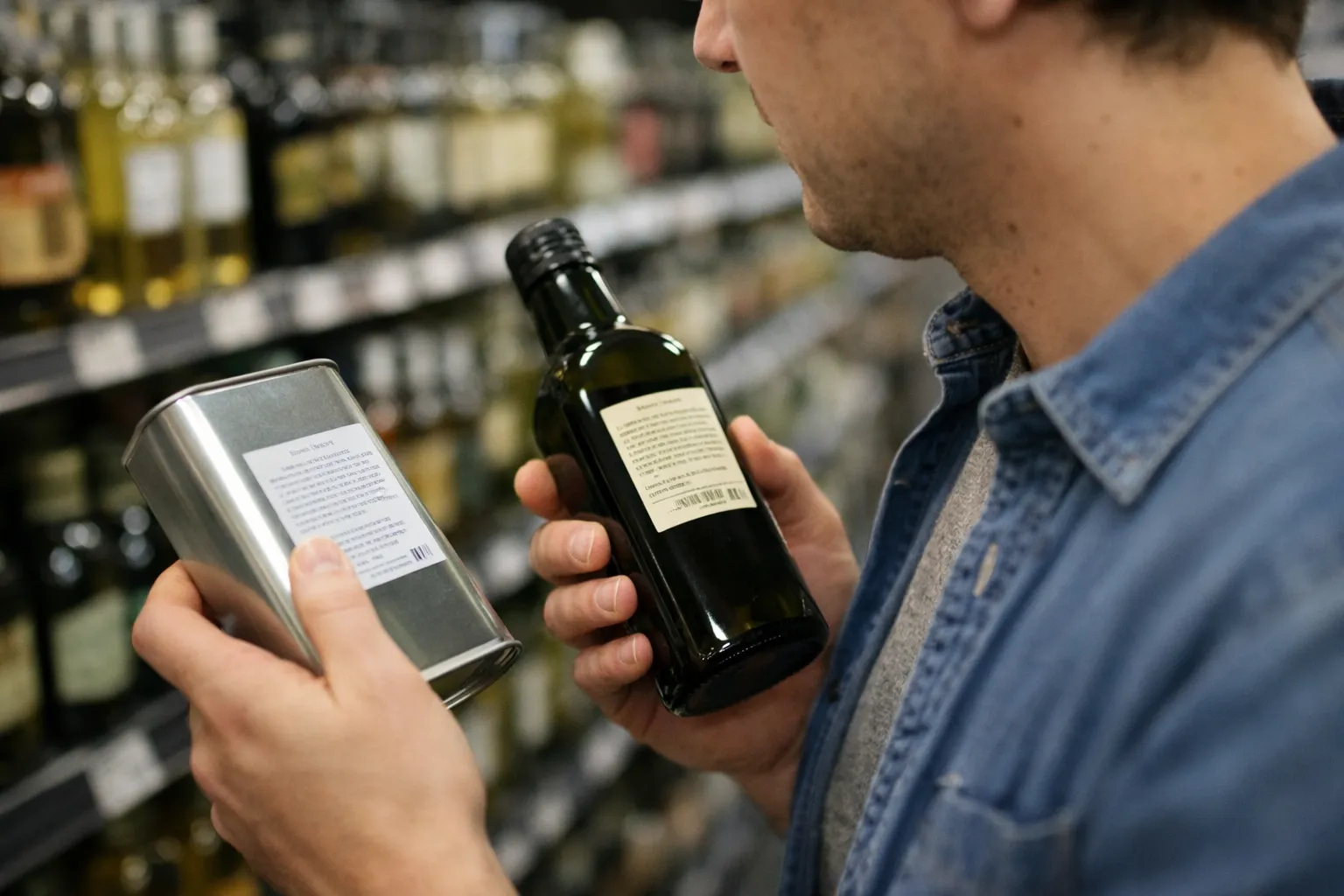
Olive oil remains a tiny bottle with outsized influence on home cooking—one drizzle can elevate a salad or flatten a sauce. This updated August 2026 briefing looks at what’s changed since spring: where prices and supply stand, what recent testing and traceability developments mean for shoppers, and the precise kitchen habits that will keep your food tasting as intended.
Overview: What we’re analyzing—and why it matters
Three practical questions for home cooks in August 2026:
- How have prices and availability moved since May? Supply improvements in some origins have eased wholesale pressure, but retail prices and packaging costs still create uneven relief at grocery shelves.
- Can you trust labels more now? Traceability pilots and wider harvest-date labeling have become more common, but lot-to-lot variability and oxidation remain real risks.
- What should cooks do differently this month? Use oil by job, read new label cues (QR-enabled lot info), taste suspect bottles before using them for finishing, and adopt small-step storage tactics to preserve freshness.
Background: What led to the August 2026 picture
Production remains concentrated in the Mediterranean—Spain, Italy, Greece, Portugal—and in several Southern Hemisphere producers (Chile, Argentina, and increasing output in California and Australia). The combination of multi-year alternate-bearing cycles, recurrent heat and drought stress since 2022, and higher input and packaging costs kept inventories tighter than average through 2024–2025. A mix of better harvests in some regions and continued stress in others produced a patchwork recovery across 2026.
At the same time, consumer demand has held up: many households treat EVOO as a pantry staple for everyday and finishing use. That persistent demand, plus slower-moving retail inventory and elevated glass and energy costs, explains why supermarket prices often lag any wholesale easing.
Data & evidence: What’s driving prices and quality now
1) Production and climate
Climate variability remains the dominant structural factor. Industry reporting and market bulletins through 2026 continue to point to region-by-region differences: some Spanish and North African groves recovered well in spring harvests, while pockets of southern Italy and parts of Greece experienced stress that reduced yield or oil quality. The practical effect for shoppers: single-origin and small-batch EVOOs can still swing between plentiful and scarce within months.
2) Costs, packaging, and retail lag
Glass and tin supply chains have stabilized compared with 2024–25, but energy and freight costs remain components that slow retail repricing. Retailers are still working through inventory bought at higher prices, which means you may not see lower shelf prices immediately even when bulk market indicators ease.
3) Testing and sensory variability
Independent sensory and chemical testing programs—run by academic olive centers and consumer-test groups—continue to show lot-level variability. Evaluations in 2026 still find many brands performing well, but a meaningful minority of bottles show signs of oxidation or sensory degradation. This underlines that brand names are not a guarantee; date, lot transparency, and how the oil was stored matter.
4) Traceability, labeling, and retailer pilots
One clear shift in 2026: broader adoption of harvest-date labeling and QR-code traceability. Several large retailers and specialty brands now link QR codes to lot-level mill data or third-party lab summaries, enabling shoppers to confirm harvest windows and sometimes lab results at the shelf. While not universal, this trend gives cooks a practical way to prefer fresher lots.
Multiple perspectives: What producers, retailers, labs, and chefs are saying
Producers
Growers emphasize the cost of modernization—irrigation, high-density planting, and mechanization—plus ongoing climate uncertainty. Many see value in putting harvest and mill data on bottles to differentiate premium batches.
Retailers
Supermarkets and specialty grocers report two clear behaviors: shoppers still buy larger tins for everyday cooking, while also paying more for smaller bottles of clearly labeled EVOO for finishing. To serve both needs, retailers are expanding tiered assortments and highlighting harvest dates or QR-linked provenance information.
Consumer labs and quality advocates
Testing organizations recommend demanding method transparency: lot numbers, harvest dates, and accredited lab data where available. Their message is practical: use test outcomes and label cues together—no single signal is foolproof.
Chefs and home cooks
Professional cooks stress using oil by job. “A bright, peppery EVOO is a garnish, not a workhorse for a searing pan,” one chef told me this summer—advice I’ve echoed in my own kitchen when a salad needed to sing. Home cooks are increasingly pragmatic: blending small amounts of EVOO into a neutral base for dressings, and reserving prized single-origin bottles for finishing.
Implications for home cooks: Updated, practical steps for August 2026
1) Keep the two-jar approach—refined and finishing—but refine how you buy
Continue to split oils by job: small bottles of high-flavor EVOO for finishing and a larger neutral/refined oil for cooking. New buying nuance: prioritize harvest-date-labeled finishing bottles and scan QR codes when available. If a brand provides mill or lot info, favor it.
Maria’s note: I now rotate two small finishing bottles at once—one open and in active rotation, one sealed as a backup—so I don’t feel rushed to use a single precious bottle before it loses its edge.
2) Emphasize harvest dates and lot traceability
- Harvest date: Aim for bottles harvested within the last 12 months for high-flavor EVOO; under 6–9 months is ideal when you want bright green notes.
- Lot transparency: Prefer bottles that list a lot number or link via QR code to mill-level data or third-party test summaries.
- Packaging: Dark glass or tins remain best; avoid clear plastic for finishing oil.
3) Taste before you finish
A simple at-home test still works: warm a teaspoon in your hand for 20–30 seconds, smell, then sip. Fresh EVOO smells of cut grass, green apple, or artichoke and has a lively bitterness/pepper finish. Flat, cardboard, waxy, or painty notes are red flags; use those bottles for frying where flavor is secondary.
Don’t skip this step: tasting is quicker than opening a new bottle later and being disappointed at the table.
4) Smart substitutions—by cooking job, not dogma
- High-heat searing/roasting: refined avocado or refined olive oil (higher smoke point and neutral impact).
- Sauces and sautés where olive flavor isn’t essential: grapeseed or light-refined rapeseed (canola) blends.
- Stretching finishing EVOO: blend equal parts EVOO and neutral oil in a cruet for dressings; add lemon zest, mustard, or herbs to amplify perception of freshness.
Maria’s trick: I keep a tiny jar of lemon zest in the freezer. A pinch added to a blended dressing makes the oil smell instantly fresher—perfect for when the bottle is near the bottom.
5) Store with care
Keep oil capped, in a cool, dark place away from the stove and sunlight. Use finish-size bottles within 4–8 weeks of opening; cooking tins can last longer but still benefit from cool storage and minimal air exposure. Consider smaller bottles or transferring part of a large tin into a small, dark bottle for daily use to limit oxygen exposure.
Outlook: What to watch for in late 2026
Near term: weather headlines in the Mediterranean will continue to move wholesale sentiment; watch harvest reports and industry bulletins. Traceability will expand unevenly—look for more QR-enabled bottles from large retailers and premium brands, and more mill-level transparency from cooperatives and independent producers.
Medium term: if several favorable harvests occur across major origins, wholesale pressure could ease and create room for modest retail price relief. But long-term climate trends and higher input/packaging costs suggest olive oil will remain a relatively premium ingredient—one worth guarding with good buying and storage habits.
FAQ
Is extra-virgin olive oil always best for cooking?
No. EVOO is best for dressings, finishing, and low- to medium-heat cooking where its flavor is wanted. For high-heat searing or long roasts use a refined oil (including refined olive oil) or another high-smoke-point oil.
How fresh should an EVOO be when I buy it?
A harvest date within the past 12 months is a reasonable baseline; under 6–9 months is better if you want bright, green, peppery notes. Look for lot numbers or QR codes that let you confirm the harvest window.
Does a higher price mean better quality?
Not necessarily. Price can reflect origin, packaging, marketing, or scale—not just freshness. A mid-priced bottle with a recent harvest date and good storage can outperform an expensive bottle that’s sat on the shelf for a year.
How can I tell if an oil has gone bad?
Warm a teaspoon, smell, and taste it. Fresh EVOO smells grassy or peppery; rancid oil smells waxy, cardboardy, or like old nuts. If it’s off, reserve it for frying or discard it.
What’s the single best thing I can do right now?
Buy finishing EVOO in small, dark bottles with a clear harvest date or QR-linked lot info, keep a neutral oil for cooking, and taste new bottles before using them for finishing. Small rituals—scan, sniff, sip—save you from wasted flavor and money.
Final thought: olive oil remains one of the easiest ways to lift home cooking—if you buy smart and treat it with a little care. With the traceability gains of 2026 and a few kitchen habits, you can make sure every drizzle counts.