Overview
The global olive oil squeeze that peaked between 2024 and 2026 continues to reshape how home cooks shop, store and cook. This update synthesizes what’s changed through August 2026: evolving supply-side responses, new retail labeling and traceability tools, recent crop and price trends, and practical, kitchen-ready guidance so you can preserve flavor and nutrition while coping with constrained EVOO availability.
Background: how we got here and why it still matters
The shortage that began in 2024 was driven by a cluster of factors: multi-year droughts and heat waves across key Mediterranean producing regions, recurring olive fruit fly pressure, and structural shifts in farmer economics that delayed some replanting and irrigation investments. Spain, Italy, Greece, Tunisia and Turkey—historically responsible for most world production—account for a large share of supply, so production shortfalls there ripple quickly into global markets and retail shelves.
By 2026 the acute shock has eased in places but not uniformly. Some regions reported improved yields after cooler winters and increased pest controls; others remain constrained by water scarcity and tree-age issues from earlier underinvestment. The result for consumers: more choice in the market, but continued price premiums for high-quality extra‑virgin olive oil (EVOO) and greater variability in freshness and flavor from bottle to bottle.
Data and evidence: what the market shows in mid‑2026
- Production concentration remains high. Spain still accounts for roughly one‑third to 40% of global olive oil output; disruption there has outsized global impact.
- Prices and retail assortment. Wholesale olive oil prices and supermarket shelf prices remain elevated compared with pre‑2024 norms, particularly for single‑estate and small‑batch EVOOs. Retailers have widened ranges: premium small producers sit alongside low‑cost refined or blended products labeled for cooking.
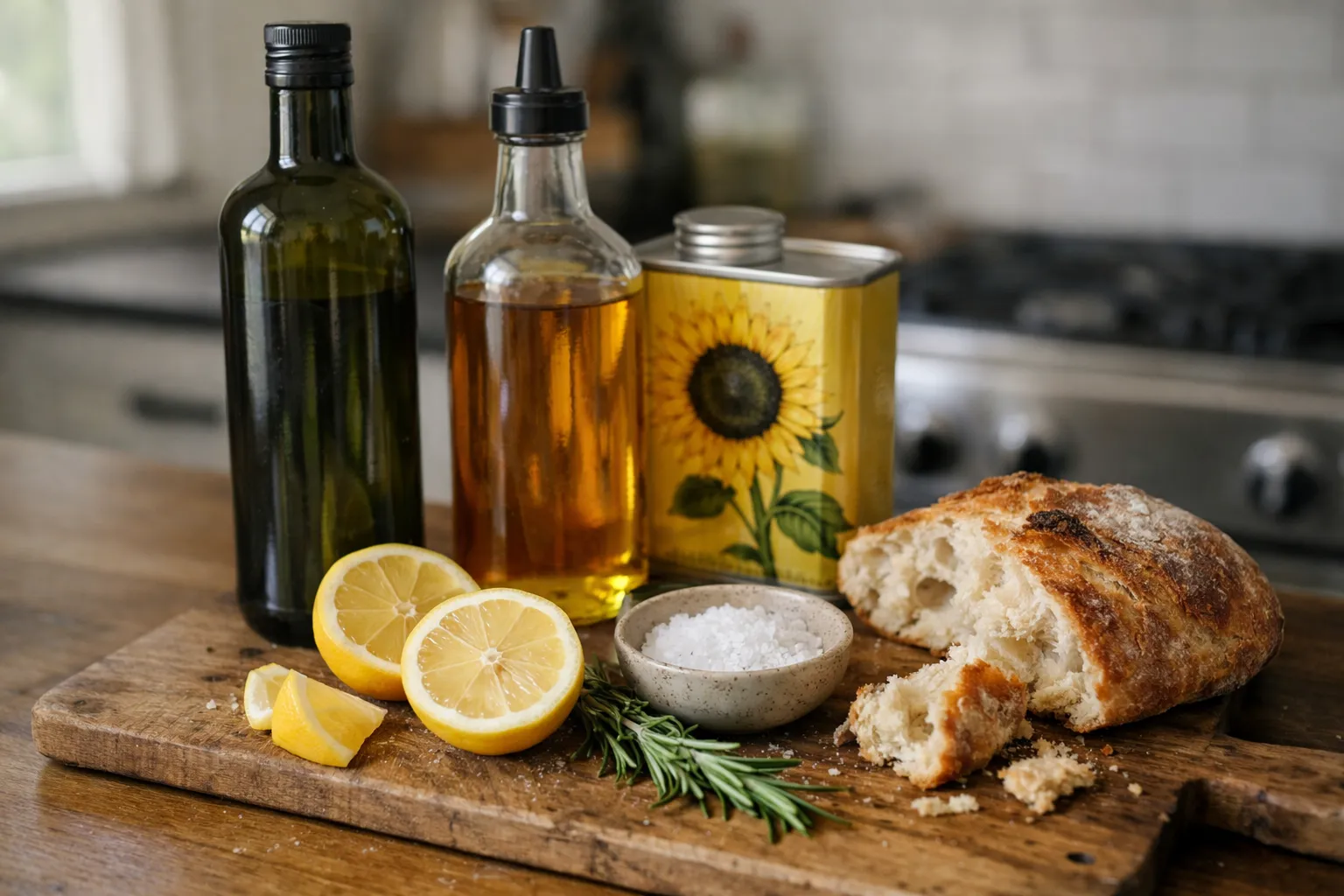
- Supply innovation. Producers and industrial buyers accelerated development of high‑oleic seed oils (sunflower, canola/rapeseed), refined avocado oil, and seeded oil blends to replicate olive oil’s cooking functionality; availability of these oils in mainstream supermarkets increased through 2025–26.
- Traceability and labeling. In response to consumer concern about authenticity during the shortage, more brands now publish harvest/crush dates, cultivar information and QR‑code traceability linking to cooperative or mill-level data.
These trends are corroborated in crop and market reports compiled by major commodity watchers and by frequent reporting from the International Olive Council (IOC) and national agricultural ministries through 2026.
Multiple perspectives: what producers, retailers and nutrition experts are saying
- Producers — Grower associations in Spain and Italy emphasize investment in drought‑tolerant cultivars and better integrated pest management. Many smaller growers say higher prices have helped fund replanting and improved milling, but gains are uneven and take years to materialize.
- Retailers and manufacturers — Supermarkets report that consumers still pay a premium for flavored or single‑estate EVOO; at the same time, demand for high‑oleic seed oils for everyday cooking has become a permanent segment rather than a temporary stopgap.
- Nutrition and public‑health experts — Most health bodies continue to prioritize monounsaturated‑rich oils in dietary patterns. They caution that while some substitutes (avocado, high‑oleic sunflower/canola) offer similar fatty‑acid profiles, the phenolic antioxidants characteristic of high‑quality EVOO are not fully matched by refined substitutes.
What realistically substitutes for EVOO now—and what changes in your dish
The substitution strategy depends on the culinary role of the olive oil: finishing, cooking, baking, or industrial uses. Updated practical choices for 2026:
Finishing, dressings and dips
Unrefined avocado oil and high‑quality walnut or macadamia oils remain the top alternatives for cold applications where flavor matters. New in 2026: several reputable olive‑grower cooperatives now offer “finish‑blend” bottles—small percentages of EVOO blended with high‑oleic seed oil, formulated to maximize flavor while stretching EVOO. These blends are a sensible compromise for everyday finishing when pure EVOO is cost‑prohibitive.
Sautéing, roasting and high-heat cooking
Refined avocado oil, high‑oleic sunflower and high‑oleic canola/rapeseed are the best functional substitutes for high‑temperature work. They provide heat stability similar to olive oil and a neutral or lightly buttery profile. In 2026 more mainstream brands label oils explicitly as “high‑oleic,” making it easier to choose an oil with favorable fatty‑acid composition.
Baking and neutral‑taste uses
Grapeseed and refined high‑oleic canola remain practical, cost‑effective swaps for olive oil in cakes and quick breads. Expect slight differences in mouthfeel; for sugar‑forward goods, the change is usually negligible.
Health and nutritional trade‑offs—updated guidance
Extra‑virgin olive oil’s value extends beyond monounsaturated fats to include phenolic compounds with antioxidant and anti‑inflammatory properties. Most seed oils—even high‑oleic versions—do not contain the same phenolic profile, although high‑oleic oils do closely match EVOO’s monounsaturated fat content.
Practical health guidance for home cooks in 2026:
- Use EVOO for cold applications and finishing when you want phenolic benefits and flavor.
- Reserve high‑oleic seed oils or refined avocado for high‑heat cooking or when cost is a concern.
- Vary oils—rotating between EVOO, avocado and high‑oleic seed oils helps maintain balanced fatty‑acid intake.
Updated recipe substitutions and ratios
- Dressings and vinaigrettes: swap EVOO 1:1 with unrefined avocado or a 50:50 finish‑blend (EVOO:high‑oleic sunflower) to lower cost while maintaining green fruitiness.
- Sautéing/roasting: use high‑oleic sunflower or refined avocado 1:1. For browning, preheat pan properly; oil plays less of a flavor role here.
- Bread dips/finishing: blend small amounts of EVOO (20–40%) with a neutral high‑oleic oil to stretch flavor without overpowering cost.
- Cold emulsions (aioli, mayonnaise): consider macadamia or walnut oil for complexity; if you need structure, blend 70% neutral oil with 30% flavorful oil.
Kitchen techniques that reduce EVOO reliance—new tips for 2026
- Brush rather than pour: a pastry brush or oil mister delivers the same result with less oil.
- Finish with concentrated flavor: use small amounts of EVOO combined with citrus zest, flavored salts, herb pastes or vinaigrette drizzles to amplify perceived richness.
- Compound fats: mix butter with a small amount of EVOO and herbs for roasting and finishing—this preserves some olive aroma while leveraging butter’s richness.
- Season early: salt and acid early in the cooking process to compensate for reduced fruity oil notes.
Retail, labeling and traceability—what to watch for now
Label literacy is more important in 2026 because product ranges are wider and producers use new marketing language. Key signals to watch:
- Harvest/crush date: Prefer bottles with a clear month/year; fresher oil retains more aroma and phenolics.
- “Light” or “Pure”: These indicate refined oil and are fine for cooking, not finishing.
- Blends and “finish” bottles: Look for percentages or ingredient order. A finish‑blend (explicitly marketed) is typically designed to stretch EVOO without losing all flavor—useful for everyday finishing.
- Traceability QR codes: Many brands now link to mill-level or cooperative data; scan to verify origin and production details.
- Certifications: PDO/PGI, organic, and independent tasting awards provide added assurance about provenance and quality, though they often command price premiums.
Implications for home cooks
In practice, expect EVOO to remain a selectively used ingredient—reserved for salads, finishing and recipes that rely on its aroma—while high‑oleic seed oils and refined avocado occupy the everyday cooking role. That shift does not mean lower nutritional quality if you choose high‑oleic substitutes and vary oils. It does mean more label-reading and occasional tradeoffs between flavor intensity and cost.
Outlook: what to watch over the coming 12–24 months
- Crop recovery in major producing countries will be the decisive variable—watch IOC seasonal reports and national ministry releases for yield and quality updates.
- Refinement and traceability investments by mills and cooperatives should reduce fraudulent labeling and increase consumer confidence.
- Retail innovation—more finish‑blends and explicit high‑oleic categories—will likely persist as permanent segments.
Practical shopping and storage checklist (Updated Aug 2026)
- Buy smaller EVOO bottles with harvest/crush dates and store them in a cool, dark place in dark glass or tins.
- Keep a bottle of unrefined avocado or a flavor oil (walnut, macadamia) and a high‑oleic cooking oil on hand.
- When stretching EVOO, blend with a high‑oleic seed oil—not a high‑omega‑6 oil—to preserve nutritional balance.
- Scan QR codes and check for PDO/PGI or independent tasting notes if flavor authenticity matters.
Bottom line
Two years after the initial shock, the olive oil market has adapted but not returned to the pre‑2024 equilibrium. For home cooks, that means smarter buying, targeted use of EVOO for finishing and salads, and acceptance of high‑oleic alternatives for everyday cooking. With informed label reading, modest technique shifts and a small assortment of carefully chosen substitute oils, you can preserve both flavor and health benefit in your kitchen while navigating higher prices and variable supply.
Which substitute is best if I want the closest health profile to EVOO?
Unrefined avocado oil and high‑oleic sunflower or high‑oleic canola are closest in monounsaturated fat content. They do not fully replicate EVOO’s specific phenolic antioxidants, so use EVOO when you want those compounds (finishing and raw use).
Can I trust blends labeled “olive oil and sunflower oil” for cooking?
Yes for cooking—these blends often prioritize heat stability and cost. Check the ingredient order (first item predominates) and look for any harvest/crush date or producer information if flavor or authenticity matters.
How long does EVOO stay fresh after opening?
Opened EVOO kept in a cool, dark place in a dark glass bottle or tin is best used within 2–3 months for peak aroma. If you cook frequently, a smaller bottle helps maintain freshness; otherwise consider refrigerating for long storage (oil will cloud but return to normal at room temperature).
Should I buy high‑oleic seed oils in bulk to save money?
Buywhat you will use within several months. These oils are generally more stable than conventional polyunsaturated oils, but heat, light and oxygen still degrade them. Store sealed containers in a cool, dark place and transfer opened oil to smaller containers to limit air exposure.