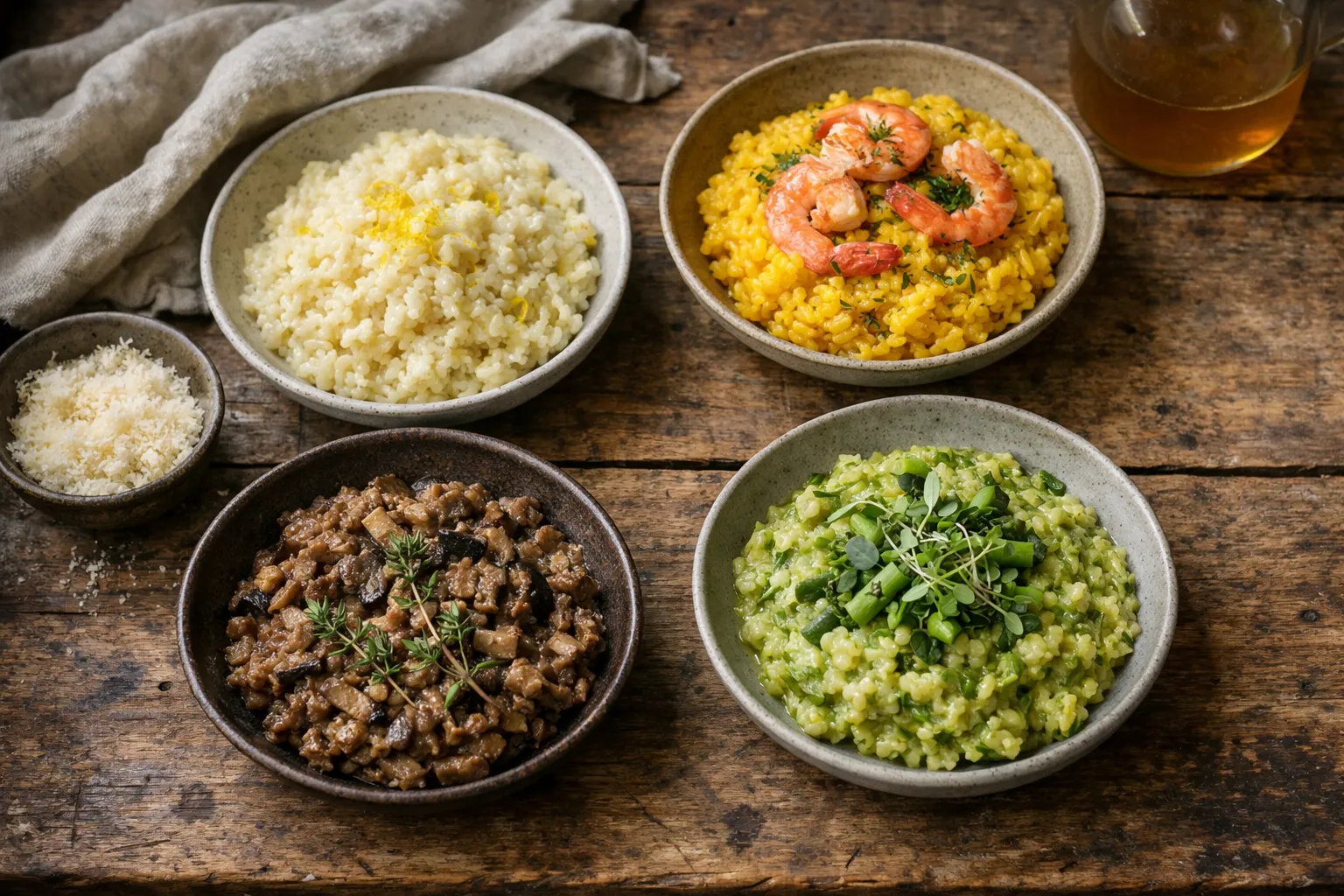
This updated guide brings you one-pot risotto techniques tuned for August 2026: clear timings, precise rice-to-liquid ratios for popular rice varieties, three tested cooking methods, eight flavor profiles, current ingredient and sustainability notes, and troubleshooting so you can make reliably creamy risotto tonight. It’s written for home cooks who want dependable results and cooks who are experimenting with plant-forward or precision-fermented ingredients now available in 2026.
Prerequisites & context: what to know before you start
Risotto is an emulsion of starch, fat and liquid. The two things that determine success are (1) the rice variety (starch profile and shape) and (2) hot liquid introduced in measured amounts so starch can be released gradually. In 2026 cooks also have new options for plant-based finishers—cultured and precision-fermented dairy proteins are increasingly available and can produce texture and melt closer to dairy cheeses than earlier vegan products. At the same time, many home kitchens now use induction ranges and newer multi-cookers that change heating dynamics; plan for faster initial heating and slightly shorter toasting times on induction.
Essential ingredients & equipment (updated)
- Rice: Carnaroli (most forgiving, stable starch), Arborio (widely available, creamier early), Vialone Nano (shorter grain, lighter texture). Buy labeled risotto rice — not regular short-grain sushi rice.
- Liquid: Hot stock is essential. Use low-sodium or no-salt-added stock (broth) so you can control seasoning. For seafood profiles choose MSC- or ASC-certified stock/seafood when possible.
- Aromatics and acid: Onion or shallot; a deglazing acid (dry white wine, verjuice or a splash of vinegar) brightens the final dish.
- Fat & finishing: Butter or olive oil traditionally, plus Parmigiano-Reggiano or aged hard cheese. In 2026: cultured plant-based cheeses and precision-fermented dairy proteins can produce a better dairy-free mantecatura than older vegan cheeses—shop labels for meltability and ingredient transparency.
- Equipment: Wide heavy-bottomed sauté pan or shallow Dutch oven for stovetop; an up-to-date electric pressure cooker/Instant Pot for the quick method; an ovenproof pot for baked risotto. Use a ladle, a silicone spatula or wooden spoon, and a small whisk for final emulsion if desired.
Rice-to-liquid ratios & timing (practical rules for 2026 kitchens)
Ratios vary by rice and method. These are tested, reliable ranges for one cup (about 200 g) of uncooked risotto rice yielding four moderate servings.
- Stovetop (traditional): 1 cup rice → 3 to 3.5 cups hot liquid. Typical cook time after first ladle: 18–22 minutes (taste from 15 minutes).
- Instant Pot / pressure cooker: 1 cup rice → 2.25 to 2.5 cups liquid. High pressure 6–8 minutes, plus a 5–10 minute natural release for better creaminess.
- Oven (baked): 1 cup rice → 3 cups liquid. Bake covered at 375°F (190°C) for 20–25 minutes, then finish on stovetop (mantecatura) for 1–2 minutes.
Why differences? Pressure cooking compresses heat and shortens gelatinization time; it needs slightly less liquid. Oven method keeps heat even but needs a final stir to develop the characteristic creamy surface and to incorporate finishing fat.
Master stovetop risotto — step-by-step (timed)
- Prep (5–15 minutes): Chop aromatics, measure rice and stock, preheat stock so it simmers. Rationale: adding cold stock lowers pot temperature and slows starch release.
- Toast aromatics & rice (2–3 minutes): Gently sweat 1 small minced onion/shallot in 2 tablespoons butter or oil over medium heat until translucent (do not brown). Add 1 cup rice and stir to coat — toast 1–2 minutes. Why: light toasting coats the kernels and starts starch release without burning.
- Deglaze (1 minute): Add 1/3 cup dry white wine or 1 tablespoon vinegar + 1/3 cup water if not using wine; cook until mostly absorbed. Acid lifts flavors and tightens the final balance.
- Add stock, ladle by ladle (18–22 minutes): Add about ¾ cup hot stock, keep heat at a steady simmer, stir frequently but not constantly (roughly every 30–60 seconds). When mostly absorbed, add another ladle. Taste from 15 minutes: aim for al dente with a creamy surrounding sauce (all'onda — it should ripple, not sit as separate grains). Why: gentle agitation releases surface starch without overworking the grains.
- Mantecatura (1–2 minutes): Off heat, stir in 2 tablespoons cold butter (or vegan/precision-fermented equivalent) and ½ cup finely grated Parmigiano-Reggiano or chosen finishing cheese. Rest 1–2 minutes, then serve immediately. The cold fat emulsifies released starches and gives glossy body.
Two other tested methods (fast and low-effort)
- Instant Pot (fast): Sauté aromatics and rice with oil, deglaze well, add stock, seal and cook 6–8 minutes at high pressure, then allow a 5–10 minute natural release. Open, stir in finishing fat and cheese. Note: for large shrimp or delicate seafood, sear separately and fold in at the end to avoid overcooking.
- Oven-baked (hands-off): Bring stock to a simmer, combine rice, aromatics and fat in an ovenproof pot, cover and bake 20–25 minutes at 375°F (190°C). Finish on stovetop and add mantecatura. This method is useful when you want consistent heat without constant stirring.
Troubleshooting quick guide (what to do now)
- Too thin/soupy: Simmer uncovered 2–4 minutes to reduce; or stir in a small spoonful of grated cheese or a pat of butter to emulsify the sauce.
- Too thick/firm: Stir in hot stock, 1–2 tablespoons at a time, off heat if necessary to loosen.
- Undercooked grains: Add ½ cup hot stock and simmer until done; check grain centers for chalkiness.
- Gluey or broken grains: Likely overcooked or stirred too vigorously early. Next time reduce stirring frequency and use Carnaroli or Vialone Nano for better structure.
Eight one-pot risotto flavor profiles — updated for 2026
Each profile is scaled for 4 servings. Notes indicate easy swaps and 2026 ingredient options.
1. Classic Lemon & Parmesan
- Key ingredients: 1 cup Arborio, 3–3½ cups hot chicken or vegetable stock, 1 small shallot, 1/3 cup dry white wine, 3 tbsp butter, ½ cup finely grated Parmigiano-Reggiano, zest of 1 lemon.
- 2026 tip: For dairy-free creaminess try a cultured plant-based finish (look for "cultured cashew" or "precision-fermented casein" on labels) and finish with 1–2 tbsp extra-virgin olive oil for silkiness.
2. Wild Mushroom & Thyme (Vegetarian)
- Key ingredients: 1 cup Carnaroli, 4¼ cups hot veg stock, 8 oz mixed mushrooms (sauté separately), 2 tsp fresh thyme, ¼ cup dry sherry, butter and Parm.
- 2026 tip: Roast mushrooms at high heat for better Maillard flavor and fold in at the end for texture contrast.
3. Saffron & Shrimp (Seafood)
- Key ingredients: 1 cup Arborio, 4 cups seafood or low-sodium chicken stock, saffron threads (steeped), 8–10 large shrimp (added last 3–4 min).
- 2026 tip: Choose MSC-certified shrimp or use firm fish. For a lower-sodium option, simmer shell trimmings yourself to make a clean-tasting court-bouillon.
4. Roasted Butternut & Sage (Vegan)
- Key ingredients: 1 cup Carnaroli, 4 cups veg stock, 2 cups roasted butternut, sage, 2 tbsp olive oil, pumpkin seed butter optional.
- 2026 tip: Stir in 1 tbsp pumpkin-seed or tahini for sheen and richness without dairy.
5. Summer Tomato, Basil & Burrata
- Key ingredients: 1 cup Arborio, 3½–4 cups light veg stock, 2 cups cherry tomatoes, basil, burrata or cultured plant-based burrata alternative.
- 2026 tip: Roast half the tomatoes for concentrated flavor and fold raw cherry halves at the end for freshness.
6. Asparagus & Lemon Zest (Spring)
- Key ingredients: 1 cup Arborio, 4 cups veg stock, trimmed asparagus added last 4–5 minutes, butter and lemon zest.
- 2026 tip: Reserve tips to sauté and top the plated risotto for color and texture contrast.
7. Caramelized Onion & Gorgonzola
- Key ingredients: 1 cup Carnaroli, caramelized onions, ½ cup crumbled Gorgonzola, butter.
- 2026 tip: For a smoked-savor profile without dairy, use smoked tofu and a spoonful of miso blended into the finishing butter substitute.
8. Miso, Sesame & Tofu (Umami Vegan)
- Key ingredients: 1 cup Arborio or Vialone Nano, 3½ cups veg stock, 2 tbsp white miso dissolved in warm stock, pan-seared pressed tofu, toasted sesame oil and scallions.
- 2026 tip: Use low-sodium miso or dilute with extra stock to control salt; swap tamari for soy sauce to avoid wheat if needed.
Make-ahead, storage & reheating — practical 2026 guidance
- Refrigeration: Store risotto in an airtight container up to 48–72 hours. Texture firms as starch retrogrades; this is normal.
- Reheating: Gently reheat on low with 2–4 tbsp hot stock or water per serving, stirring to re-emulsify. A microwave works in a pinch; add liquid and heat in 30-second bursts, stirring between.
- Freezing: Not recommended for best texture. If necessary, undercook by 2 minutes, cool quickly, freeze flat, then thaw and reheat with extra stock.
Common mistakes to avoid
- Using cold stock — it drops pot temperature and slows starch release.
- Stirring constantly from the start — gentle, periodic stirring releases starch without breaking grains.
- Over-salting early — stock often contains salt; adjust near the end.
- Skipping mantecatura — that last cold fat and cheese step is key to gloss and mouthfeel.
Pro tips (advanced advice)
- Use a thermometer to monitor stock at a simmer (~180–200°F / 82–93°C) so you always replenish with hot liquid.
- For ultra-silky texture, finish with a small whisk after adding cold butter/cheese to break any fat lumps and form a smooth emulsion.
- If you want to reduce stirring but keep creaminess, try the oven-baked method and then perform a brief mantecatura on the stovetop.
- When using induction, lower the flame a touch earlier than you would on gas—induction heats faster and can overshoot.
- For plant-based mantecatura, blend a small amount of hot stock with a neutral oil and a spoon of nutritional yeast or cultured plant-based cream to create a glossy finish.
Seasonal shopping & sustainability notes (2026)
In 2026 consumers continue to prioritize regenerative-grown produce and transparent sourcing. Look for MSC/ASC labels on seafood, regenerative or organic produce labels for root vegetables, and check plant-based cheeses for "cultured" or "precision-fermented" claims if you want dairy-like melt and flavor. Low-sodium stocks and concentrated umami ingredients (miso, rehydrated kombu, mushroom powders) make it easier to control seasoning while keeping depth of flavor.
FAQ
Can I make risotto ahead for a dinner party?
Yes — you can cook risotto ahead but don’t complete the mantecatura until just before serving. Cook to just shy of al dente, cool quickly, refrigerate (up to 48 hours), then reheat gently with hot stock and finish with butter/cheese when serving.
Is risotto gluten-free?
Rice itself is gluten-free. Check stock, miso and any packaged ingredients for hidden gluten (wheat-containing soy sauce or malt). Use tamari or certified gluten-free products when needed.
Will precision-fermented dairy proteins change how I finish risotto?
Yes. Precision-fermented dairy proteins and cultured plant-based creams available in 2024–26 can mimic dairy fat and casein behavior, producing a smoother, more emulsive finish than older vegan cheeses. Read labels for meltability, and treat these finishers like you would butter/cheese — add off-heat for the best gloss.
How can I get a restaurant-level “all'onda” texture?
Use hot stock, choose a forgiving rice (Carnaroli if unsure), maintain a steady simmer, taste often from 15 minutes, and perform a proper mantecatura with cold fat and finely grated cheese. The rice should spread slowly in the plate and form soft waves (all'onda) rather than run like a soup.
Is pressure-cooker risotto as good as stovetop?
Pressure-cooker risotto is faster and produces a creamy result, but it differs in mouthfeel: you may get a more uniformly tender grain and slightly less layered flavor than with the gradual ladling method. Many cooks use pressure-cooker risotto for weeknights and stovetop for when they want the most control and nuance.
Final encouragement
Start with one method — stovetop if you want to practice technique, Instant Pot if you need speed — and try two profiles this week, such as Lemon & Parmesan and Miso & Tofu. Note the rice, stock and finishers you prefer. With small adjustments for your stove type, new plant-based finishing options, and the ratios above, you’ll be making dependable, restaurant-level one-pot risotto in August 2026.