Overview
What we’re reviewing: Sunbasket’s Diabetes-Friendly meal plan, as offered in June 2026. Key specs at a glance: chef-developed recipe kits and Fresh & Ready refrigerated meals labeled for diabetes or controlled‑carb preferences; emphasis on whole foods, lean proteins, nonstarchy vegetables, measured servings of lower‑glycemic grains and legumes. Typical kit prep time: 20–40 minutes; Fresh & Ready heat‑and‑eat: 2–4 minutes. Price range (June 2026): kits roughly $12–$16 per serving; Fresh & Ready lunches roughly $9–$13 per serving, depending on selections and promotions.
Background
Who makes this and who it’s for: Sunbasket is a national meal‑kit company that added specialized dietary filters including “Diabetes‑Friendly” in 2020. The plan targets home cooks managing blood glucose—people with type 2 diabetes, prediabetes, or anyone seeking portion‑controlled, lower‑glycemic meals. Sunbasket’s positioning emphasizes organic produce, sustainably sourced proteins and recyclable packaging elements; those commitments still appear in product materials and on the company site as of mid‑2026.
Features Analysis
How the plan works today: the Diabetes‑Friendly label remains a menu filter within Sunbasket’s subscription. You can choose two‑ or four‑person plans, swap meals across categories, and order recipe kits or Fresh & Ready items. Labels flag carbohydrate counts per serving, fiber, protein and sodium on the recipe cards and online menus.
Nutrition and real‑world glycemic control
Across the updated rotation I tested in May–June 2026, Diabetes‑Friendly meals continue to follow sensible diabetes‑aware principles: lean proteins (salmon, turkey, chicken, shrimp), nonstarchy vegetables (broccoli, leafy greens, cauliflower), and measured portions of whole grains or legumes (farro, lentils, chickpeas). Plated dinners typically ranged 400–700 kcal and 25–50 g carbohydrate per serving—numbers that remain appropriate for many adults managing blood glucose if paired with individualized plans.
Notable improvements since March 2026: more menu items now report net and total carbohydrate on the online card, and a higher percentage of meals list added‑sugar content—useful for people counting sugars. Fiber remains a strength: many selections contained 6–12 g fiber, which helps blunt post‑meal glucose excursions.
Using a CGM to choose meals (new, practical approach)
One 2024–26 trend is wider CGM (continuous glucose monitor) use among people with type 2 diabetes and interested consumers. If you use a CGM, you can rapidly personalize Sunbasket choices: test a Fresh & Ready lunch versus a kit, compare different carbohydrate sources (farro vs. cauliflower rice), and note which sauces spike your glucose. Registered dietitians increasingly recommend this empirical approach—CGM data plus nutrition labels—to pick consistent, tolerable meals without guesswork.
Taste, texture and culinary variety
Taste remains strong. Recent favorites in the June 2026 rotation included a citrus‑chili salmon with broccolini and farro, a Moroccan‑spiced chickpea stew over cauliflower couscous, and a chipotle‑lime shrimp bowl with cauliflower rice. Fresh & Ready lunches held up well—protein and veg textures were preserved after refrigeration. Downsides persist: a small subset of Diabetes‑Friendly items still use sweetened glazes or higher‑sodium sauces that can raise carb or sodium totals; scrutinize the nutrition panel before ordering.
Cooking, convenience and sustainability
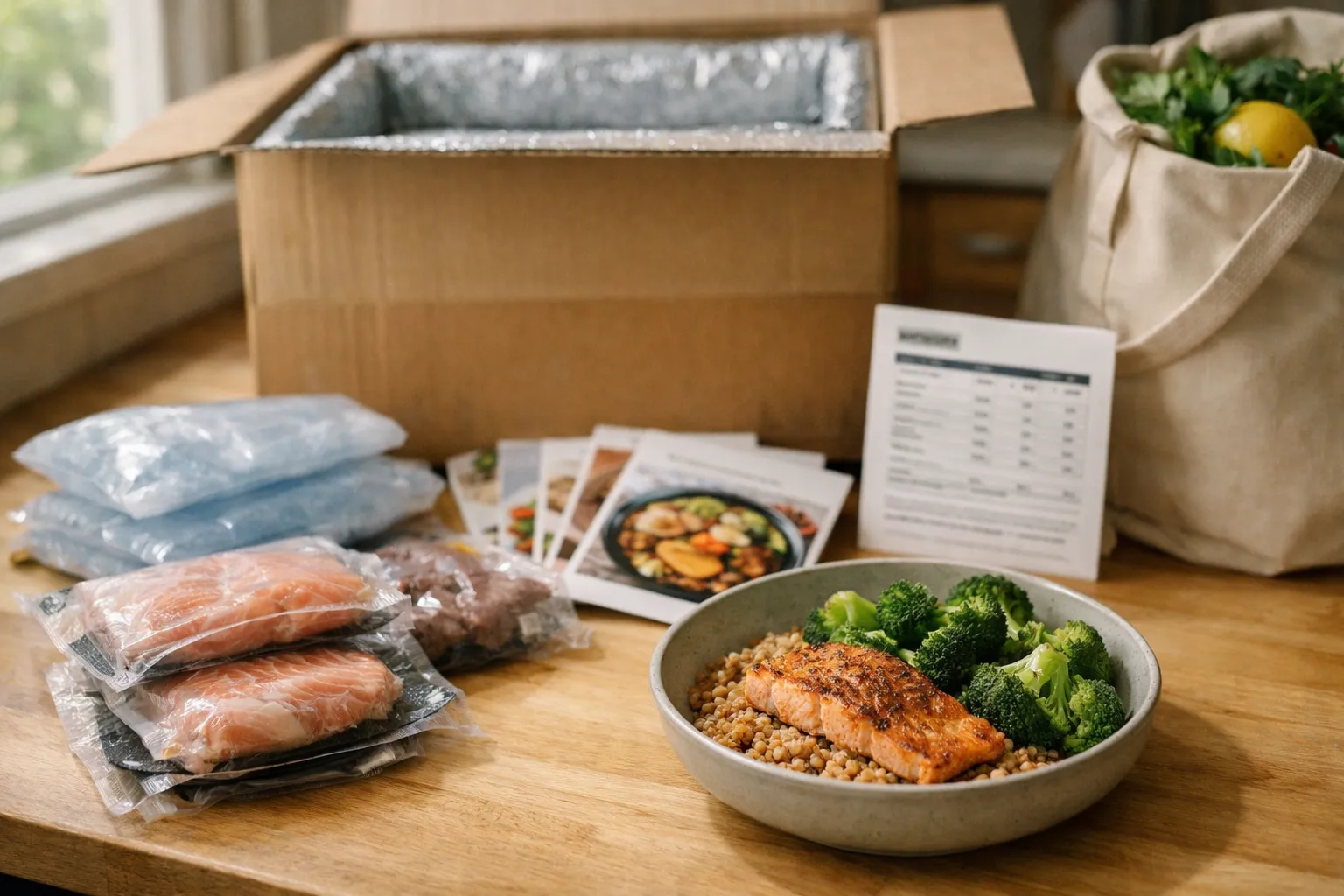
Recipe cards are unchanged in clarity—stepwise instructions, clear timing and helpful plating suggestions. Fresh & Ready reheats in 2–4 minutes and is reliable for weekday lunches. Packaging still uses insulated liners, gel ice packs and a mix of recyclable cardboard and plastic. Sunbasket’s return-and-recycle guidance remains the best available option, though local store drop‑off availability for film plastics varies by ZIP code.
Pros and Cons (June 2026)
- Pros: consistently fiber‑forward menus; clearer carb labeling for more items; strong flavor and variety; useful Fresh & Ready heat‑and‑eat options; continued attention to recyclable packaging.
- Cons: some Diabetes‑Friendly dishes still use sweetened sauces or higher‑sodium condiments; per‑serving price increased modestly vs. early 2026 ranges; not a substitute for individual medical nutrition therapy.
Pricing and value
Updated cost breakdown (June 2026): expect typical per‑serving costs of $12–$16 for Diabetes‑Friendly recipe kits when selecting mid‑tier proteins. Fresh & Ready single‑serve lunches are now commonly $9–$13 per item depending on protein and promotions. Shipping varies by ZIP code, order size and current discounts; bundling several meals reduces per‑serving shipping overhead. Compared with specialty prepared diabetic meal services, Sunbasket generally sits in the mid‑to‑upper tier for price, but it offers more hands‑on cooking and wider variety.
Value proposition: strongest for people who want portion control, ingredient transparency and the option to cook. If you require very low‑carb (30 g per meal) or clinical calorie targets, you’ll need to selectively order or plate‑adjust meals.
Who It's For
Good fit: busy home cooks with type 2 diabetes, prediabetes, or people reducing post‑meal glucose excursions who want variety and portioned whole‑food meals. Particularly useful for couples and singles who value both kits and ready‑to‑heat options.
Less suited: people requiring precise insulin dosing who need exact carbohydrate matches for each meal (these customers often prefer fully prepared medical meals with exact carb counts), households on very tight food budgets, or those needing strict sodium limits without manual modification.
Alternatives
- Factor (HelloFresh‑owned): fully prepared meals with nutrition labels, including lower‑carb options; stronger on convenience but less cooking variety.
- Fresh n’ Lean: prepared, refrigerated and frozen meals marketed to diabetes and health‑conscious customers; focused on portion control and lower carbs.
- Local dietitian‑orchestrated meal services or hospital outpatient programs: more individualized medical nutrition therapy but typically higher cost and lower menu variety.
Verdict
Sunbasket’s Diabetes‑Friendly plan remains a practical, flavorful option in June 2026. It’s not a clinical nutrition program, but it gives blood‑sugar‑conscious cooks sensible portioning, whole‑food ingredients and improved labeling that make informed choices easier. For most people with type 2 diabetes or prediabetes who want variety and a mix of cooking and ready‑to‑eat options, Sunbasket is worth trying—especially if you pair it with CGM data or periodic consultations with a registered dietitian to fine‑tune selections.
Updated recommendations — how to get the most from Sunbasket in 2026
- Use the online nutrition filters and prioritize meals that list total and added sugars.
- If you use a CGM, test comparable meals once to see which ingredients or sauces raise your glucose.
- Choose high‑fiber selections (≥6 g fiber) and pair higher‑carb sides with extra nonstarchy vegetables to blunt spikes.
- Limit meals with sweet glazes or pre‑sweetened sauces; ask for sauce on the side when possible.
- Monitor sodium if you’re on a sodium‑restricted plan; swap or omit high‑salt pantry blends.
FAQ
Is Sunbasket’s Diabetes‑Friendly plan medically supervised?
No. The Diabetes‑Friendly label is a menu filter—not individualized medical nutrition therapy. It follows general diabetes‑aware principles (lean protein, fiber, portion control), but people with insulin dosing needs or complex medical conditions should consult a clinician or registered dietitian before relying on a meal‑kit plan alone.
Can I use a CGM with Sunbasket meals to personalize my choices?
Yes. Many people now use CGMs to test how specific meals affect their glucose. Try a Fresh & Ready lunch and a kit version of a similar meal on different days to compare post‑meal responses, then favor meals that produce smaller glucose excursions.
How do I keep costs down while using the Diabetes‑Friendly plan?
Order in larger weekly quantities to lower shipping per meal, pick mid‑tier proteins, use promotional credits for first orders or referrals, and prioritize kits if you enjoy cooking—kits often provide better calories‑to‑cost than single‑serve prepared items.
Are Fresh & Ready meals as good nutritionally as the kits?
Fresh & Ready items are generally comparable in macronutrient composition and fiber when specifically labeled Diabetes‑Friendly; they are convenient for lunches but can be higher in sodium per serving. Check nutrition panels and choose lower‑sodium options if that’s a concern.
What should I avoid if I’m strictly carb‑sensitive?
Scan menus for sweetened glazes, honey or sugar in sauces, and dishes with higher‑glycemic grains (e.g., white rice). Favor vegetable‑heavy plates, legume‑based proteins, or requests to swap grains for extra vegetables where the menu allows.