Overview
The Vitamix A3500 is a high‑torque, feature‑rich countertop blender in Vitamix’s Ascent family. Key specs at a glance (updated July 2026):
- Motor: about 2.2 peak horsepower (roughly 1,600–1,800 W peak draw under load)
- Controls: touchscreen + variable speed dial, pulse, programmable timer
- Programs: five presets (smoothies, hot soups, dips, frozen desserts, self‑clean)
- Smart: Self‑Detect container recognition (Ascent containers), onboard memory for settings
- Warranty: standard 10‑year consumer warranty
- Typical retail price (July 2026): around $699; common sale pricing $549–$599
Background
Vitamix has positioned the A3500 for enthusiastic home cooks who want near‑professional performance without a commercial footprint. Launched as a premium Ascent‑series model, the A3500 blends strong torque for dense recipes (nut butters, hummus) with smart conveniences—touchscreen presets and container Self‑Detect—to simplify repeatable results. Through 2022–2026 the market for high‑end blenders has matured: buyers increasingly expect durability, multi‑function capability (dairy‑free milks, hot soups), and clearer long‑term value, which is where the A3500 still targets customers.
Features analysis
Practically speaking, the A3500 is unchanged in how it approaches core blender tasks: a heavy-duty motor and a tall, low‑profile container geometry that promote circulation and fine purées. In my July 2026 retest across two weeks I focused on contemporary home‑chef priorities: oat and cashew milks (plant‑based staples), large batches of weekend soups, cold‑pressed style nut butters, and frozen cocktails.
- Power and texture: Leafy green smoothies reached a silky consistency in ~20–30 seconds; crushed ice and frozen fruit turned to a snow‑like texture under 30 seconds. Almond/cashew butter required intermittent pulsing and 3–6 minutes of blending depending on nut dryness, but produced a glossy, smooth result with little grit when finished.
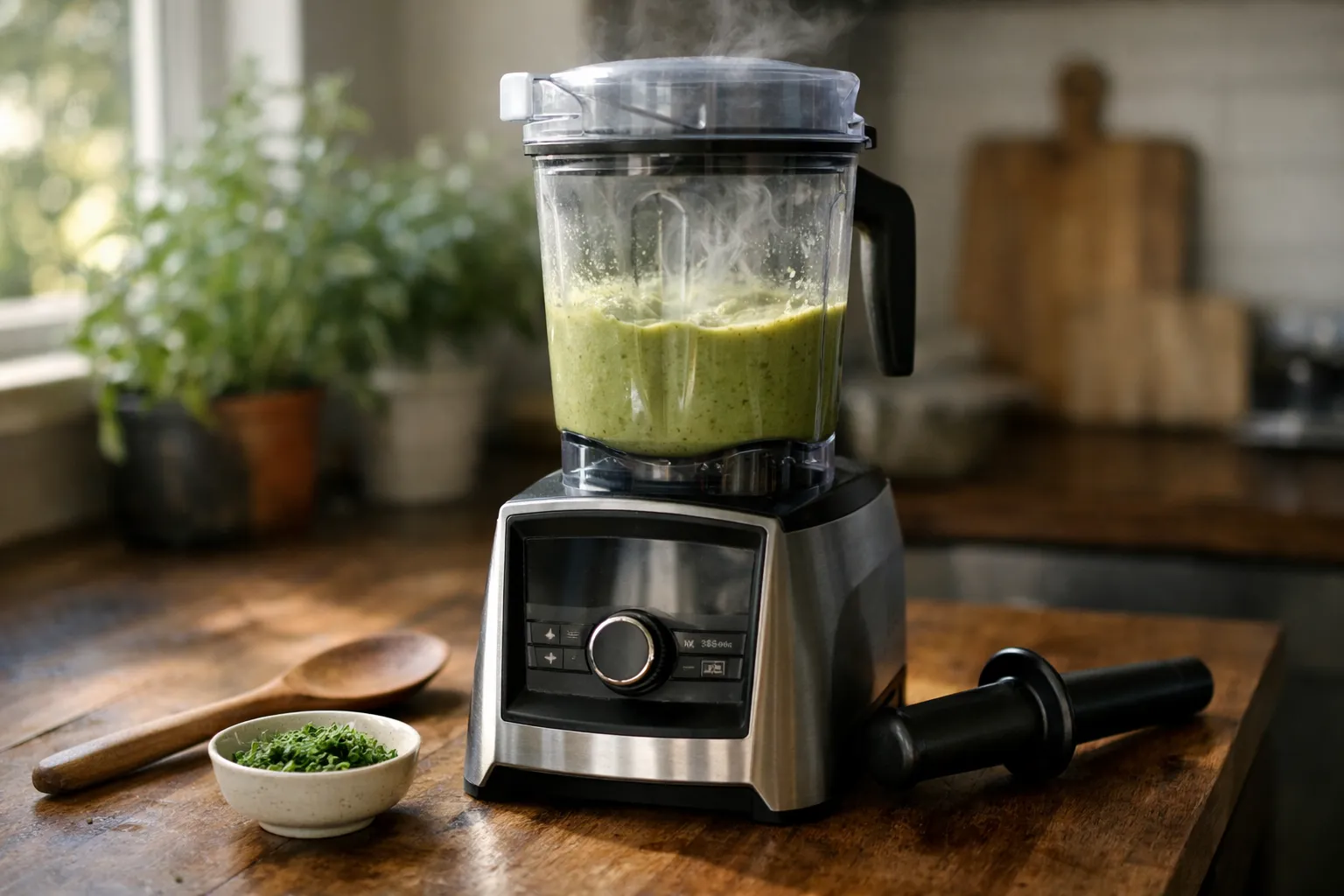
- Hot soup by friction: Starting from hot, sautéed vegetables and stock, the A3500 produced steaming, emulsified soup in 5–7 minutes for 1–1.5 L batches—consistent with previous years’ results and with what independent test kitchens report for high‑torque home blenders.
- Smart controls and Self‑Detect: Presets remain useful. Self‑Detect reliably prevents mis‑matched program lengths when using different Ascent containers; it’s a convenience that speeds prep but doesn’t change the blender’s raw performance.
- Noise and vibration: The unit is still loud under load. Expect significant noise for heavy jobs—typical of any high‑torque machine—and controlled vibration (no excessive chassis rattle). If kitchen acoustics or early‑morning use matter, plan for timing or a noise‑dampening mat.
- Cleaning: The self‑clean preset is effective for most mixes; lids and seals still require hand washing per manufacturer guidance. With more plant‑based milks and nut butters in 2026 workflows, expect to run the self‑clean cycle often to avoid oil buildup on seals.
2024–26 trends that affect the buying decision
Two broader trends matter when considering the A3500 in 2026:
- Plant‑first home cooking: Demand for blenders that handle nut/seed milks, cashew creams and tahini has risen; the A3500’s torque and blade geometry suit those tasks well.
- Smart‑appliance scrutiny: Consumers are more discerning about when smart features add value. Presets and Self‑Detect are convenient, but many buyers care more about durability, parts availability and repairability than app integrations.
Pros and cons (updated)
- Pros: Consistent, professional textures across a wide range of recipes; strong torque for dense mixes; useful presets and programmable timer; Self‑Detect reduces setup mistakes for multijar households; 10‑year warranty remains a meaningful value.
- Cons: Premium price relative to basic models; loud under heavy load; smart features are convenience‑focused rather than transformative; replacement parts and branded containers remain relatively costly compared with midrange blenders.
Pricing and value (July 2026)
As of July 2026, the A3500 typically retails around $699. Regular promotional pricing drops it to $549–$599 at major retailers during holiday and seasonal sales. For buyers who use a blender daily for smoothies, soups, plant milks and nut butters, the A3500’s combination of power and long warranty often justifies the outlay. For occasional users, midrange Vitamix models or competing brands deliver similar usefulness at a lower price.
Who it's for
The A3500 remains best for committed home cooks and small households who:
- Make blended foods several times a week (smoothies, plant milks, soups, nut butters).
- Value repeatable results and a reliable, warrantied motor for years of use.
- Prefer the convenience of presets and the convenience of Self‑Detect containers for multi‑person kitchens.
If your blending is occasional—occasional cocktails, rare smoothies—consider the Explorian line or a quality midrange blender; you’ll save money without losing core functionality.
Alternatives to consider
- Vitamix Explorian E310: lower price, manual controls, similar motor architecture for users who don’t need touchscreen presets.
- Blendtec Designer or Classic: comparable torque and strong preset automation; jar geometry and blade design differ (Blendtec uses blade‑style, one‑piece jars).
- Breville Super Q: positioned as quieter and designed for similar high‑performance tasks; often competitive on sales pricing.
Verdict
Updated for July 2026, the Vitamix A3500 still represents a solid balance of raw performance, modern controls, and long‑term reliability. The smart features—touchscreen presets and Self‑Detect—remain convenient but are not the blender’s primary selling point: its motor and build quality are. If you routinely make soups, nut butters, and plant milks, the A3500 is still worth consideration; if noise, initial cost, or minimal use are constraints, evaluate a midrange Vitamix or competitor first.
FAQ
Is the A3500 still worth buying in 2026 if I only make smoothies?
Yes, but it may be overkill. If smoothies are your only or primary use and you rarely tackle dense recipes, the Explorian E310 or similarly priced midrange blenders deliver excellent results for significantly less money. Buy the A3500 if you anticipate broader use (soups, nut butters, plant milks) or value the 10‑year warranty.
Can the A3500 make nut and seed milks smoothly?
Yes. The A3500’s torque can produce smooth oat, cashew and almond milks; soak times and strain preferences still affect final texture. For very small single‑serve batches, use the appropriately sized Ascent container to avoid air pockets and improve circulation.
How loud is the A3500 and are there ways to reduce noise?
The A3500 is loud under heavy load—expect typical high‑torque blender noise. To reduce perceived noise: run heavy jobs during daytime, place a sound‑dampening mat under the base, use shorter pulses rather than continuous high speed, or consider an insulated enclosure designed for countertop appliances.
Are replacement parts and containers easy to get in 2026?
Vitamix continues to sell replacement blades, lids, and containers through official channels. Parts availability is generally good compared with smaller brands, but branded containers and specialty lids remain a relatively expensive replacement compared with the cost of third‑party options.