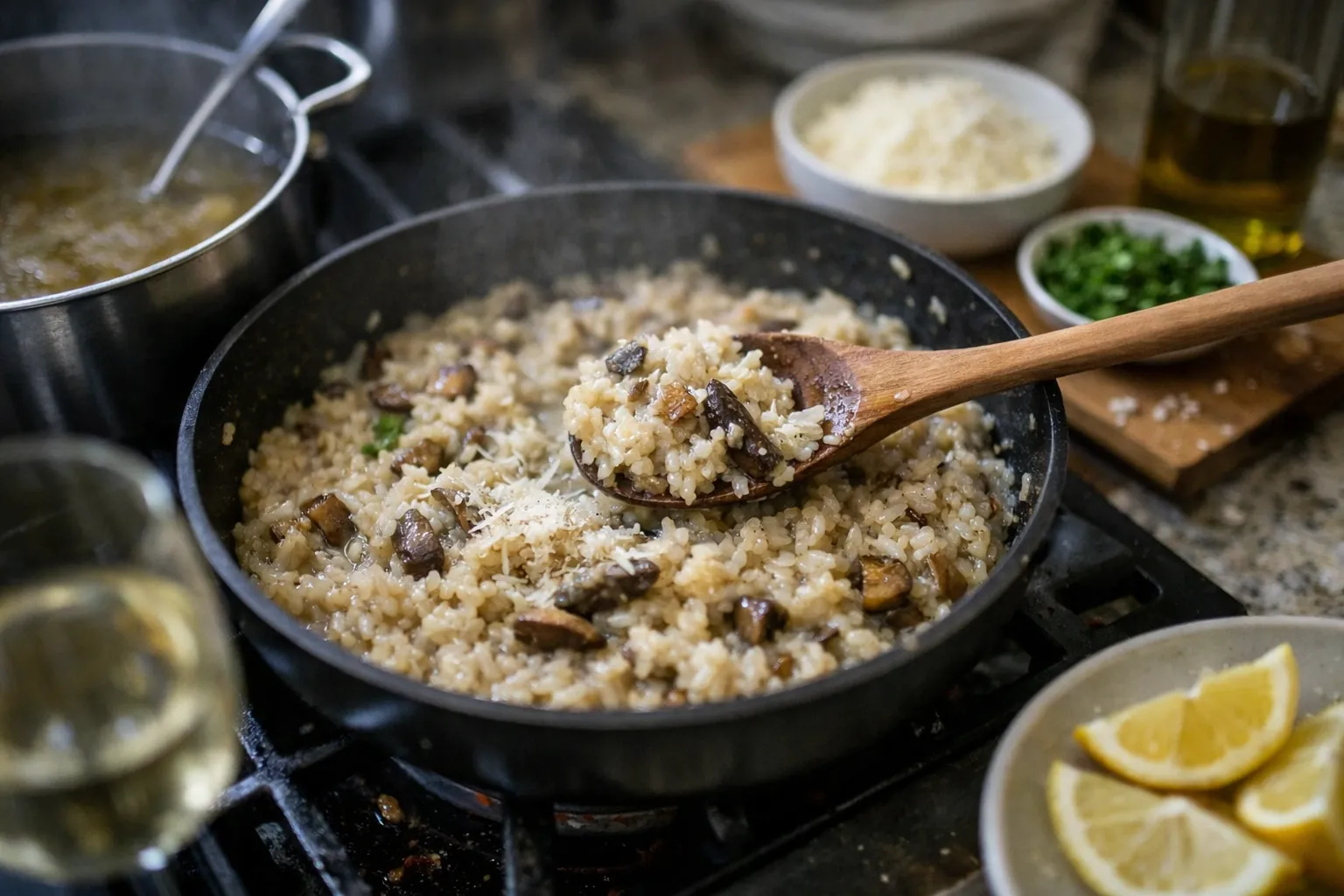
There’s something deeply comforting about glossy, spoonable risotto—but home cooks still hesitate because of perceived fuss. This updated guide keeps the original stovetop, short-cut-friendly approach and adds current 2026 developments: smarter equipment choices (induction stovetops, multifunction cookers), better plant-based finishes, packaging and pantry shortcuts, and small technique changes that save time while improving consistency. If you're a recipe enthusiast who wants restaurant-quality risotto on a weeknight, this article gives the precise steps, updated best practices, and practical options for dietary needs.
Prerequisites & context: what to know first
Risotto remains a short-grain, starch-driven dish best made with arborio, carnaroli, or vialone nano. The classic stovetop method—warm stock, a wide pan, purposeful stirring—still delivers the most control. Since 2024–26, two trends matter for weeknight cooks:
- Kitchen hardware: induction ranges and multifunction electric cookers are ubiquitous; learn how they change heat control and timing.
- Plant-based finishes and pre-cooked rice pouches have improved: high-quality vegan 'Parm' options and par-cooked arborio allow faster finishes without losing texture.
Plan 10–15 minutes prep and 20–30 minutes active stovetop cooking; alternative methods (multicooker or rice-cooker risotto) can shorten active attention at the cost of slight textural differences.
Updated ingredient checklist (for 4 servings)
- 1 1/2 cups (300 g) arborio or carnaroli rice (carnaroli gives the creamiest, most forgiving result)
- 5–6 cups (1.25–1.5 L) warm low-sodium stock (vegetable or chicken) — keep it at a gentle simmer
- 2 tbsp olive oil or 2 tbsp unsalted butter (or 1 tbsp oil + 1 tbsp butter)
- 1 small onion or 2 shallots, finely diced (~120 g)
- 2 garlic cloves, minced (optional)
- 1/2 cup (120 ml) dry white wine (optional) or additional stock
- 5–6 oz (140–170 g) mushrooms OR 1 cup frozen peas OR 1 cup roasted squash — or a mix
- 3/4 cup (75 g) grated Parmigiano-Reggiano or 3–4 tbsp good nutritional yeast / high-quality vegan Parmesan
- Salt and freshly ground black pepper
- Finishing: 1–2 tbsp butter or extra-virgin olive oil + lemon zest or fresh herbs
Note: For plant-based finishes in 2026, look for cultured nut-based hard cheeses labeled for grating; they hold up better than older oil-based substitutes. Par-cooked arborio in vacuum pouches has become widely available and is useful if you need a faster finish.
Essential equipment (2026 update)
- Wide, heavy-bottomed skillet or sauté pan (10–12 inches) — a wider pan speeds evaporation and reduces total cooking time
- Wooden spoon or heatproof spatula
- Small saucepan or an electric kettle to keep stock hot—an electric kettle is the fastest way to reheat stock between ladles
- Optional: induction-compatible pan if you have an induction cooktop (heat will respond faster)
- Optional: multicooker/Instant Pot with a sauté function for an alternative method (see shortcuts)
Prep time and mise en place (10–15 minutes)
- Warm the stock on the stove or in an electric kettle; maintain it at near-simmer. Cold stock slows the cooking and lengthens the time the rice needs to reach al dente.
- Dice onion/shallot, mince garlic, measure rice and wine.
- Prep mix-ins: slice mushrooms, defrost peas, or roast squash earlier. For weeknight speed, roast squash the night before or use an air-fryer for 12–15 minutes at 400°F (200°C).
Step-by-step stovetop risotto (20–30 minutes)
Follow this sequence for reliable results; times are approximate for four servings.
- Warm fat and aromatics (2–3 minutes): Heat the pan over medium heat. Add oil or butter and the diced onion/shallot. Sweat gently until translucent—avoid browning. Add garlic and cook 20–30 seconds.
- Toast the rice (1–2 minutes): Stir in the rice and toast until edges look translucent and the grains are glossy. This step builds flavor and helps control texture—don’t brown the rice.
- Deglaze (optional) (1 minute): Add wine (if using) and stir until mostly evaporated. Skipping wine is fine—use a ladle of warm stock instead.
- Add warm stock in increments (18–22 minutes): Add about 1/2 cup (120 ml) warm stock, stir until mostly absorbed, and repeat. Keep the rice at a gentle simmer. On induction cooktops the response is faster—reduce heat quickly if the pan starts to boil. Taste a grain at 16 minutes and then every 1–2 minutes until al dente—tender with a slight bite.
- Add mix-ins and finish (2–3 minutes): When rice is nearly done, fold in cooked mushrooms/peas/squash to warm through. Off the heat, stir in grated cheese (or nutritional yeast/vegan cheese) and 1–2 tbsp butter or oil to enrich. Adjust salt, pepper, and add lemon zest or a splash of lemon for brightness.
Goal texture: risotto should spread in a thick ribbon when the pan is tipped and should be loose and silky—“all’onda.” If you used par-cooked arborio, total stirring time will be shorter (follow the pouch guidance, then finish with enrichments).
Exact liquid ratios, timing & altitude notes
- Ratio: 1 cup rice : ~3.5–4 cups stock for arborio; carnaroli can take slightly more (closer to 4 cups) because it yields more creaminess.
- Timing: typical stovetop rice cooking is 18–22 minutes. Start tasting at 16 minutes.
- Altitude: at elevations above 4,000 ft (1,200 m) liquids evaporate faster—expect to add extra stock and 2–4 minutes to cooking time.
- Heat control: on induction reduce the heat earlier than with gas because induction holds even, quick heat that can push a boil.
Updated shortcuts that preserve quality
- Electric kettle to keep stock hot: Faster than a small saucepan and keeps stock ready; saves 5–10 minutes over reheating on the stove.
- Wide pan technique: A 12-inch pan reduces simmer time by increasing surface area; use the same rice-to-stock ratio but expect total cooking on the low end of the time range.
- Par-cooked rice pouches: Many brands now sell vacuum-packed parboiled or par-cooked arborio—these cut active cooking to 8–12 minutes. Finish in the pan with butter/cheese for texture.
- Multicooker/Instant Pot two-step: Sauté aromatics and toast rice with the lid off, add stock, press manual for 6–8 minutes on high, quick release, then finish with cheese. Texture is slightly different but convenient for hands-off cooking.
- Air-fryer or sheet-pan roasting for mix-ins: Roast squash or mushrooms in the air fryer or on a sheet pan while the risotto cooks to save total elapsed time.
Three modern flavor builds (fast ideas)
- Mushroom & Thyme: Sear 8 oz (225 g) cremini or shiitake in butter until deeply browned, fold in near the end, finish with thyme and Parm.
- Spring Pea & Lemon: Stir 1 cup frozen peas into the rice 2 minutes before done. Finish with lemon zest, a squeeze of lemon, and Parm or nutritional yeast.
- Roasted Butternut & Crispy Sage: Use 1 cup cubed roasted squash; fold in with crisp-fried sage and a knob of butter at the end.
Dietary modifications (2026 practical advice)
- Vegan: Use vegetable stock, replace butter with extra-virgin olive oil, and swap cheese for 3–4 tbsp nutritional yeast plus a little miso or 1/2 cup pureed white beans for body. Newer cultured nut-based hard cheeses labeled for grating provide a closer finish—use sparingly and taste.
- Low-sodium: Start with low-sodium stock and reduce added salt until after cheese or savory vegan finishes are folded in.
- Gluten-free: Rice itself is gluten-free; verify stock and packaged rice products for hidden gluten-containing additives.
- Lower-fat: Reduce butter at finish and use olive oil and extra lemon for brightness; add a spoonful of Greek yogurt (if not vegan) off the heat to add creaminess without too much fat.
Common mistakes & how to avoid them
- Adding cold stock: Cold stock stalls cooking and changes timing. Keep it hot in a kettle or on low heat.
- Letting it boil vigorously: Aggressive boiling can create gluey texture or uneven cooking. Keep a gentle simmer and stir to distribute heat.
- Overstirring vigorously: Gentle frequent stirring encourages creamy starch release; vigorous pounding stirs can break grains. Stir with a wooden spoon, not a whisk.
- Under-seasoning at the finish: Taste and adjust salt after cheese or vegan finishers are added—these contribute salt and umami.
Storing, reheating & make-ahead (practical 2026 tips)
- Refrigerate leftovers in an airtight container for up to 3–4 days.
- To reheat: warm slowly on the stovetop with a splash of warm stock or water; stir and finish with a small knob of butter or drizzle of olive oil to restore silkiness.
- Freeze portions up to 2 months; thaw overnight and reheat with added liquid.
- Make-ahead: cook to 2–3 minutes shy of al dente, cool quickly, refrigerate, and finish for 4–6 minutes before serving.
Timing at a glance (real-world weeknight plan)
- 0–10 min: Prep ingredients, warm stock, and preheat pan.
- 10–12 min: Sweat aromatics, toast rice.
- 12–35 min: Add stock ladle by ladle, stir, fold in mix-ins near the end.
- 35–40 min: Finish with cheese/oil, garnish, serve.
Pro tips (what the pros do differently)
- Use the widest pan that fits your burner to speed evaporation and reduce total cooking time without changing the rice-to-liquid ratio.
- Reserve a small handful of cheese to finish at the table for a fresco-like finishing note.
- For maximum creaminess, finish off-heat and stir briskly as you add the final knob of butter or oil—this emulsifies the sauce.
- When using a multicooker, finish with a minute of vigorous stirring in a hot pan to recover surface texture.
Troubleshooting quick reference
- Too thin: Simmer a few minutes longer off the heat with frequent gentle stirring; if rice is done, fold in cheese or a spoon of pureed beans to thicken.
- Too thick/dry: Stir in warm stock or water one tablespoon at a time until loosened.
- Mushy rice: Likely overcooked—next time use slightly less stock and start tasting earlier.
- Undercooked center: Continue adding warm stock and cook a little longer, tasting frequently.
FAQ
Can I make risotto in a rice cooker or Instant Pot and still get authentic texture?
Yes and no. A rice cooker or Instant Pot can produce a satisfactory, convenient risotto with much less active stirring—especially with par-cooked rice pouches. For the closest stovetop texture, use the multicooker’s sauté function to toast rice, then add stock and use a short high-pressure cycle; finish off-heat with cheese or butter. Expect slight differences in surface silkiness and the “all’onda” ribbon behavior compared with traditional stirring.
What’s the best vegan substitute for Parm that actually melts into risotto?
In 2026, cultured nut-based hard vegan cheeses labeled for grating offer the most convincing texture and flavor when folded into hot risotto. If you don’t have one, use 3–4 tbsp nutritional yeast plus a tablespoon of white miso or a quarter cup of pureed white beans for savory depth and body. Add lemon to brighten.
How does induction cooking change risotto technique?
Induction responds faster than gas or electric, so lower the heat earlier to maintain a gentle simmer. A slightly lower steady heat with frequent stirring prevents rapid evaporation and uneven cooking. The advantage: you get very precise control and faster recovery when adding stock.
Is pre-cooked (vacuum) arborio worth it?
Yes for weeknights. Par-cooked pouches significantly cut active cooking time (often to 8–12 minutes) and give consistent results. They won’t produce identical starch release to traditional slow ladling, so finish aggressively with butter and cheese to approximate creaminess.
How much should I stir—constant or occasional?
Frequent gentle stirring is best: stir every 20–40 seconds rather than nonstop vigorous whisking. This encourages starch release for creaminess while avoiding excessive breakdown of the grains.
Final flourish
Risotto rewards attention but doesn’t demand perfection. The 2026 home-cook landscape gives you more tools—induction precision, better plant-based finishes, and par-cooked rice—so you can tailor the method to your weeknight schedule without losing the dish’s core pleasure. Follow the steps above, taste often, and adjust finishes to match your ingredients and time. Happy stirring—this is the risotto you can make tonight.