
Overview: What we’re analyzing—and why it matters
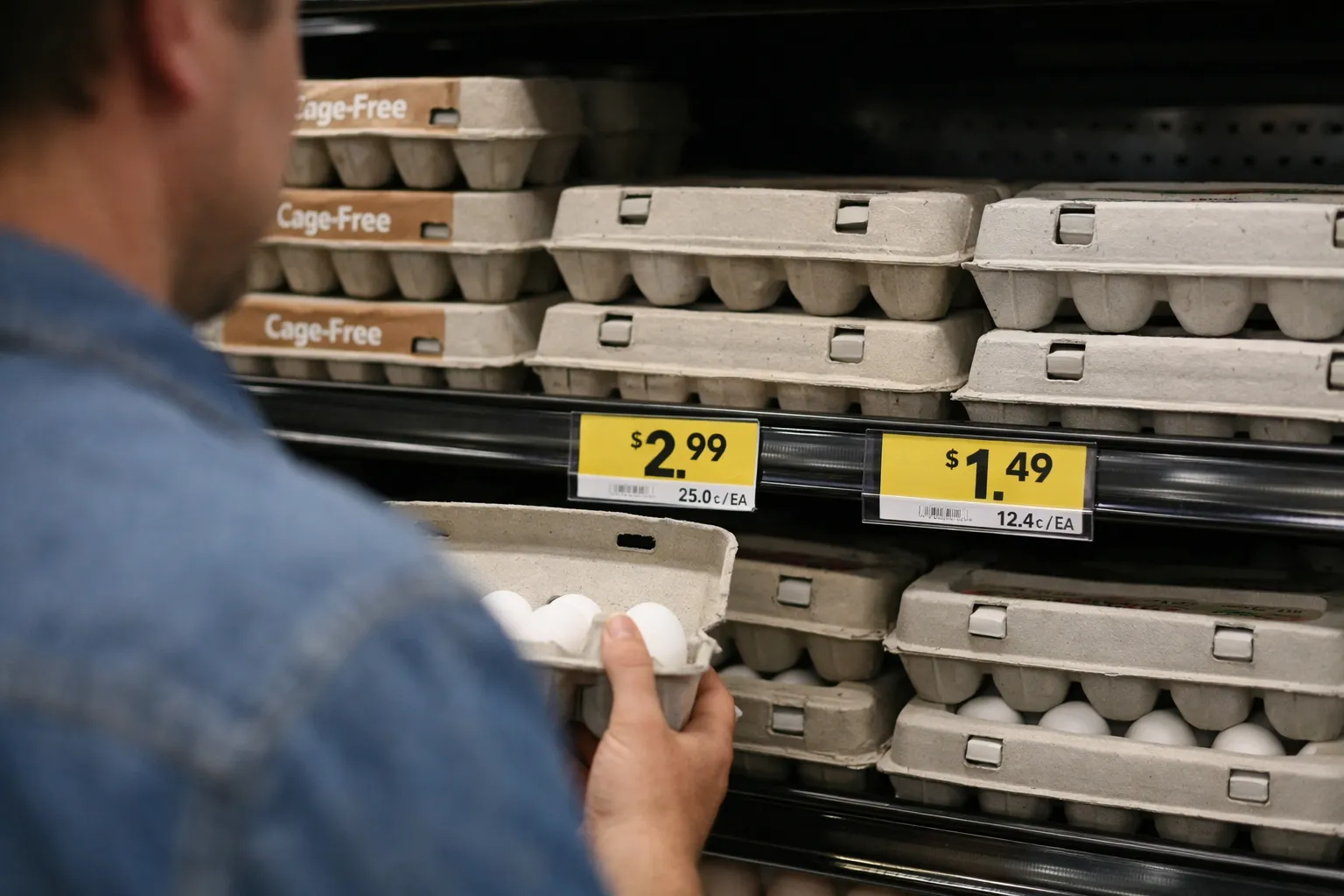
Egg prices continue to sting grocery bills in August 2026. For anyone who cooks, bakes or feeds a household, eggs are not a niche purchase—they’re a utility. When egg costs rise or cartons vanish from shelves, weekly meal planning and food budgets get rearranged. This update explains what’s changed since May, why prices are still elevated in many places, and what food‑minded shoppers can do immediately to protect their pantry and their wallet.
Background: How we got here — and what’s new this summer
The core drivers from earlier in 2026 remain: recurring highly pathogenic avian influenza (HPAI), higher feed and logistics costs relative to pre‑pandemic norms, and the ongoing shift to cage‑free production prompted by retailer commitments and state-level rules. Since May, three developments have reshaped the market:
- HPAI detections continued to appear in commercial and backyard flocks through the summer, sustaining cautious repopulation schedules in affected regions;
- Food manufacturers and some retailers expanded purchases of imported egg products (liquid and powdered) to cover shortages for processed foods and bakeries; trade flows into the U.S. increased compared with the two‑year average;
- Retail playbooks further diverged: some chains leaned into longer, stable contracts with domestic packers to hold shelf availability, while others used more dynamic regional pricing tied to wholesale spikes.
Put plainly: supply-side biology (birds don’t snap back overnight) met structural change (cage‑free conversions) and tactical retail choices. That triangle keeps prices elevated and inconsistent from one metro to the next.
Data and evidence: What the latest reports and trade signals show
1) HPAI remains the immediate wildcard
USDA Animal and Plant Health Inspection Service (APHIS) updates through August 2026 continue to record sporadic HPAI detections. The practical result is the same as before: depopulation, cleaning and phased repopulation take months, and producers—rightly—repopulate conservatively to avoid repeated losses. Industry reporting and state animal‑health bulletins show that while detection counts have flattened from their sharpest spikes earlier in the year, the risk of new localized events keeps rebuilding timelines measured in quarters, not weeks.
2) Wholesale volatility is still faster than retail adjustments
USDA Agricultural Marketing Service (AMS) weekly market notes continue to show sharp swings in the wholesale benchmark. Retail prices move more slowly because stores carry inventory, manage forward contracts and use promotional calendars. That matters for shoppers: even when processors see wholesale troughs, shelf prices may lag—then compress rapidly during limited promotions. Conversely, a sudden wholesale spike in a single producing state can translate into regional shelf jumps within days.
3) Feed, fuel and labor costs keep baseline prices above old norms
Commodity inputs have moderated from headline peaks, but corn and soybean meal prices remain sensitive to weather and export demand. Diesel and freight rates have eased in some corridors but remain elevated compared with the 2018‑19 baseline because of lingering capacity and labor pressures in trucking and processing. USDA Economic Research Service (ERS) briefings and WASDE outlooks remain useful for tracking how feed costs feed through to farm gate egg prices.
4) Cage‑free conversion is now a supply re‑allocation, not just a premium
Cage‑free capacity is being added, but it’s a multi‑year infrastructure project. Producers must invest in new barns or retrofit old ones, train staff for different management regimes and accept an initial dip in output while systems stabilize. In many markets the cage‑free carton still carries a clear premium—commonly in the 20–40% range depending on brand and region—and is more vulnerable to short runs. Where a new cage‑free barn commissioned in late 2025 or early 2026 has reached steady production, local premiums are easing; where expansions are still under construction, premiums persist.
5) Imports and product substitution are steadying manufacturing supply
Foodservice and manufacturers have leaned harder on imported egg products—dried and liquid—this year to keep bakeries and prepared‑food lines running. Trade data and industry newsletters indicate imports rose compared with the recent average, particularly for powdered eggs from Argentina and liquid concentrates from export markets. That substitution has kept store shelves from collapsing entirely, even if it raises costs for end products and shifts where shortages hurt most (shell eggs versus ingredient supply).
Multiple perspectives: What stakeholders say now
Producers
Producers repeat the same refrain: biology is slow and unpredictability is expensive. Many smaller flocks remain offline for extra biosecurity; larger integrators are phasing repopulation and prioritizing regions where contract commitments are highest. Several trade groups have publicly asked for continued producer assistance and better biosecurity funding at the state level.
Retailers
Retail buyers report two priorities: keep eggs on shelves and avoid headline price swings. Several national chains told trade press they are extending multi‑month purchasing contracts to domestic packers to ensure baseline availability through holidays and back‑to‑school. Others have leaned into selective promotions—short, deep sales to move inventory when wholesalers loosen—so watch local ads.
Manufacturers and foodservice
Bakeries and QSRs are continuing product reformulations in places where shell‑egg costs spike, increasing use of imported powder or liquid eggs and, in some cases, reformulating recipes to use fewer eggs per unit. That flexibility has buffered some price transmission to consumers but not eliminated retail carton volatility.
Animal‑welfare and policy groups
Animal‑welfare advocates defend the long‑term benefits of cage‑free timelines and press for transition assistance to help smaller producers retrofit barns. Several state legislatures are discussing phased flexibility clauses to avoid acute shortages tied to disease outbreaks; those debates could shape future supply timelines.
Implications: Practical advice for home cooks — August 2026 playbook
We’ve refreshed the tactics for this summer. These are actionable and realistic—what to do in the next two grocery runs.
1) Shop the unit price and format aggressively
- Always compute cost per egg or per ounce. A larger 18‑ or 24‑count pack can beat the per‑egg price of a premium dozen even when the sticker is higher.
- Check multiple outlets: club stores, discount grocers, regional supermarket chains and local farmstands. Prices and availability still vary metro by metro.
- If a clear sale appears and you use eggs often, buy extra and freeze (see below). Do the math before hoarding—buying what you’ll actually use avoids waste.
2) Use freezing and pasteurized products to lock in value
- Egg whites freeze very well; whole eggs freeze if beaten with a stabilizer (a pinch of salt for savory, a teaspoon of sugar per cup for sweet uses).
- Consider pasteurized liquid eggs for baking and volume cooking—often the most time‑efficient and food‑safety friendly option when you’re bulk‑buying.
- Label containers with date and intended use to avoid freezer mystery cartons.
3) Match the egg to the job
Reserve higher‑cost (cage‑free, pasture‑raised) cartons for dishes where yolk color and texture matter—soft scrambles, poached eggs, crème anglaise. Use value eggs for baking, breading, and binding. That keeps dinner better and the budget healthier.
4) Substitute smartly, not generically
- For binding in burgers or loaves, mashed banana, breadcrumbs plus milk, or flax “egg” work fine.
- Aquafaba can replace egg whites in many foamy preparations but expect different texture.
- When eggs are structural (meringues, genoise) opt for recipes designed without eggs rather than force substitutions.
5) If cage‑free matters to you, plan for occasional gaps
If animal welfare is non‑negotiable, create a short approved‑brand list and be ready to buy larger formats or use local farm supply when retail cartons run out. Many small farms maintain waitlists or direct‑sale programs that can be more consistent in certain regions.
Outlook: What to watch through fall 2026
Three things will steer prices in the near term:
- APHIS HPAI reports: New detections remain the fastest route to renewed tightness. Watch federal and state animal‑health bulletins for early warnings.
- Wholesale‑to‑retail spread: If wholesale prices fall while retailers hold, short promotional windows are likely; if wholesalers spike, expect rapid regional shelf price movement.
- Cage‑free commissioning and contract rollovers: More new cage‑free barns may hit steady production in late 2026; retailer contract renewals this fall could lock in either steadier supply or continued premiums depending on how they negotiate.
For home cooks: flexibility and preparation—stocking, freezing, and being willing to swap formats—remain the simplest hedges. That’s how we avoid the worst of grocery shocks without sacrificing dinner quality.
Sources and reference types
- USDA APHIS HPAI detection reports and state animal‑health bulletins
- USDA AMS weekly egg market reports (wholesale trends)
- Bureau of Labor Statistics CPI series for eggs (retail tracking)
- USDA ERS and WASDE commodity outlooks for feed costs
- Industry trade press, retailer public statements and trade data on egg product imports
FAQ
Are eggs safe to eat if there are avian flu detections?
Yes. Commercial shell eggs intended for food are subject to strict food‑safety and processing controls. Cooking to normal temperatures eliminates human‑health risk. Check USDA and your state health department if you want the latest safety advisories, especially following a localized detection.
How long does it take to rebuild laying flocks after depopulation?
Raising pullets to laying age generally takes 16–20 weeks; add time for cleaning, testing and phased repopulation. Producers often add extra weeks to reduce reinfection risk, so expect multi‑month timelines before regional production returns to prior levels.
Will imported egg products keep retail shells affordable?
Imported powdered and liquid eggs have helped stabilize manufacturing and foodservice supply, but they don’t remove all pressure on shell‑egg prices. Imported ingredients can be more expensive and are used differently than shell eggs, so shoppers may continue to see regional carton volatility.
Can I freeze whole eggs for later use?
Yes. Whole eggs can be beaten and frozen if you add a stabilizer—salt for savory uses or sugar for baking—to maintain texture. Freeze in portioned containers or ice‑cube trays, label with dates, and use within about a year for best quality.
Should I switch to cage‑free now or wait?
If animal welfare guides your purchases, continue buying cage‑free but expect occasional premiums and shortages. If price and consistency are your main concerns, mix carton types—use value cartons for structural uses and save cage‑free for dishes where it matters most to you.