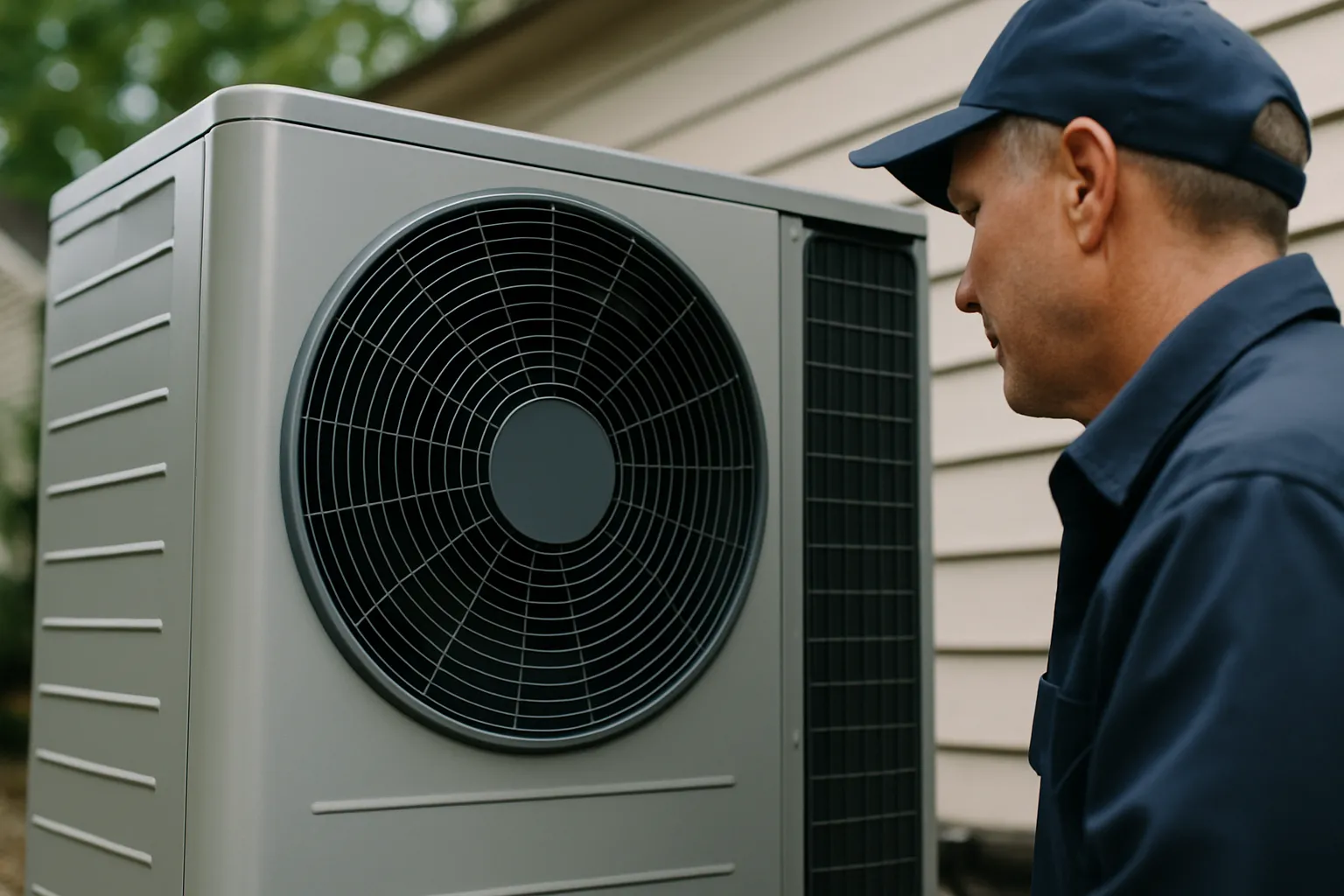
Who: The American Heating Refrigeration and Air‑Conditioning Institute (AHRI) and heat‑pump manufacturers, independent test laboratories, utilities and procurement agencies across North America.
What: AHRI’s draft cold‑climate heat pump test standard — which adds lower steady‑state test points (down to -13°F/-25°C), defined part‑load test cycles, and a new composite seasonal metric that includes defrost and repeated start/stop penalties — moved through its public comment phase in summer 2026 and entered the standards balloting and revision stage in September 2026.
When: AHRI opened the draft for public comment in mid‑June 2026 and closed the window on August 31, 2026. As of early September 2026 AHRI staff confirmed to HVAC System Guide that comments are under review and committee balloting is scheduled for fall 2026.
Where: The change will affect manufacturers selling in AHRI’s North American directories and will have downstream impacts on utility incentive programs and municipal procurement in cold‑climate U.S. states and Canadian provinces.
Why: The draft aims to close the gap between laboratory ratings and field performance in very cold climates, improving purchaser confidence and aligning rebates and codes with real operating energy use.
Context: what led here and why it matters now
Interest in heat‑pump electrification grew sharply after 2023–2025 policies and incentives pushed adoption in cold regions. Installers and building owners increasingly reported that published HSPF/SEER/HSPF‑4 ratings did not reflect system behavior below 0°F or during repeated defrost cycles. AHRI’s June 2026 draft responded by formalizing low‑temperature steady‑state points (47°F, 17°F, -4°F and -13°F) and by adding part‑load sequences to capture inverter compressors and variable‑speed fans.
Those changes matter because many incentive, procurement and labeling decisions still rely on seasonal metrics calculated from legacy test points. If the new composite metric becomes the industry norm, a model that previously qualified for a high‑tier rebate may fall below a program threshold once defrost and low‑temp performance are included.
September 2026 developments — where the draft stands
- Public comment closed Aug. 31, 2026. AHRI told HVAC System Guide it logged comments from manufacturers, national labs, utilities and trade associations and is compiling a dispositions document to circulate to the standards committee.
- Committee balloting is scheduled for fall 2026. AHRI staff told members the next formal step is a letter ballot followed, if approved, by incorporation into AHRI directories with a phased implementation window for OEMs.
- Independent labs and accreditation bodies are updating capability roadmaps. Several national test labs and commercial labs signaled in interviews with HVAC System Guide that they will offer validated -25°C cold‑chamber tests and part‑load cycles by Q1 2027.
Details: what the standard requires and what changed since June
The technical elements remain as in the June draft, but manufacturers and test labs asked for clarifications during the comment period; AHRI is expected to publish revised language on three items before balloting:
- Definition of the weighted composite seasonal index — commenters sought clearer weighting factors for typical residential part‑load hours versus extreme‑cold hours.
- Standardized defrost sequences — labs requested explicit trigger conditions and repeat intervals to ensure repeatable defrost‑energy measurement.
- Start‑current and electrical simulation requirements — some labs asked for relaxed requirements for small regional labs that cannot afford full grid‑emulation equipment immediately; AHRI indicated it will propose a two‑tier lab accreditation path.
Practically, the standard continues to require reporting of steady‑state capacity and COP at 47°F, 17°F, -4°F and -13°F; a composite seasonal metric that incorporates part‑load performance and defrost penalties; and repeated start/stop energy measurement for inverter systems.
Industry reaction and real‑world moves
Manufacturers told HVAC System Guide they broadly support the goal of more realistic ratings but voiced concerns about timing and cost. Several OEMs have already begun internal retesting and preliminary re‑datasheet drafts to prepare for anticipated adoption — sources at two major manufacturers said their product teams expect to publish preliminary low‑temp performance tables for prospective buyers this fall.
Independent test labs report divergent upgrade costs. Lab managers interviewed in August 2026 estimated incremental capital expenses ranging from $25,000 for humidity and instrumentation upgrades to more than $200,000 for expanded chamber capacity plus electrical grid‑simulation hardware. In response, some regional labs are forming consortia to share cold‑chamber time.
Utilities and efficiency administrators are watching closely. Multiple rebate program managers in cold‑climate states told HVAC System Guide they will not change program rules until AHRI completes balloting, but several have launched modeling pilots to evaluate how the composite metric would affect current incentive tiers.
Market implications — labeling, procurement and incentives
- Datasheets and marketing: Expect OEMs to add low‑temp capacity tables and the composite metric to datasheets. HVAC System Guide sources say some vendors will publish interim "field performance" notes while formal AHRI listings are updated.
- Utility rebates: Program administrators will likely need 3–6 months after AHRI adoption to update rules, technical working group guidance and application screens.
- Public procurement and codes: Municipalities in the Upper Midwest and Northeast are preparing procurement language to require either the new composite metric or supplemental cold‑climate performance data for heat-pump projects bid after Q2 2027.
What installers, specifiers and contractors should do now
- Request lower‑temp data today: When specifying systems for cold regions, ask OEMs for capacity and COP at -13°F and for measured defrost energy penalties. Even interim test data helps align expectations.
- Plan procurement timing: If your project must meet specific rebate thresholds, get written confirmation of which metric (legacy or composite) a utility will accept for your application, and allow extra lead time for relabeled inventory.
- Work with labs: If you rely on custom testing, identify labs that have announced cold‑chamber upgrades or are part of a consortium; expect test lead times to extend through Q1 2027.
- Document field performance: Track on‑site energy use and defrost cycles for early installs. Real operating data will be valuable to owners and will help utilities calibrate program rules.
Impact snapshot: who stands to gain or lose
- Winners: Installers and building owners in cold climates who procure systems with verified low‑temp and part‑load performance will face fewer surprises in operating costs. OEMs with robust cold‑rated product lines can better justify premiums.
- Challenged: Small manufacturers and regional labs that lack immediate capital to retest and relabel may see short‑term disruption. Utilities will need to update program operations and budgets.
Reactions — voices from the field
"Accurate low‑temp data will reduce disputes over delivered vs. predicted bill savings," said a building‑performance engineer at a Northeast construction firm who requested anonymity. "But the industry needs a clear, phased timeline so projects and incentives aren't caught midstream."
An AHRI spokesperson told HVAC System Guide on Sept. 3, 2026: "We received substantive comments that will improve the clarity and testability of the draft. The committee is working to balance repeatability for labs with practical implementation timelines for manufacturers."
What's next — timeline to watch
- September–October 2026: AHRI committee balloting and revision of the draft based on public comments.
- Late 2026–Q1 2027: Target window for AHRI to publish a finalized standard and for major labs to complete first validated -25°C test capabilities.
- Q2–Q3 2027: Expected period when OEMs begin listing the new composite metric in AHRI directories and when utilities finalize rule changes for rebates.
Frequently asked questions
When will the new AHRI cold‑climate metric appear on product datasheets?
AHRI has indicated the finalized language could be published in late 2026, but OEMs typically need additional time to retest and relabel. Expect major manufacturers to start publishing interim low‑temp capacity tables and composite estimates between late 2026 and mid‑2027; formal AHRI directory entries may follow.
Will existing installations lose eligibility for rebates retroactively?
No. Utilities and program administrators told HVAC System Guide they do not intend to revoke rebates already paid. However, for new applications submitted after a program updates its rules, the new metric could change eligibility. Always confirm accepted documentation with the local program before bidding.
How much will testing cost and how long will labs take to offer the new tests?
Costs vary by lab scope; managers interviewed in August 2026 estimated incremental lab capital needs from tens of thousands to a few hundred thousand dollars depending on whether electrical simulation and additional chamber capacity are required. Many national and commercial labs plan to offer validated tests by Q1 2027; smaller regional labs may take longer or participate through consortium arrangements.
Should specifiers require the composite metric in contracts now?
For projects in cold climates, it is prudent to require low‑temperature capacity and defrost energy information now. If you need guaranteed compliance with future AHRI listings, include contract language that allows substitution to the AHRI composite metric once it is formally published, and allow schedule flexibility for retesting.
HVAC System Guide will continue to track AHRI’s balloting results, the first wave of lab accreditations for -25°C testing, and how major OEMs and utilities adopt the composite metric. Send updates or vendor datasheets to editors@hvacsystemsguide.com.