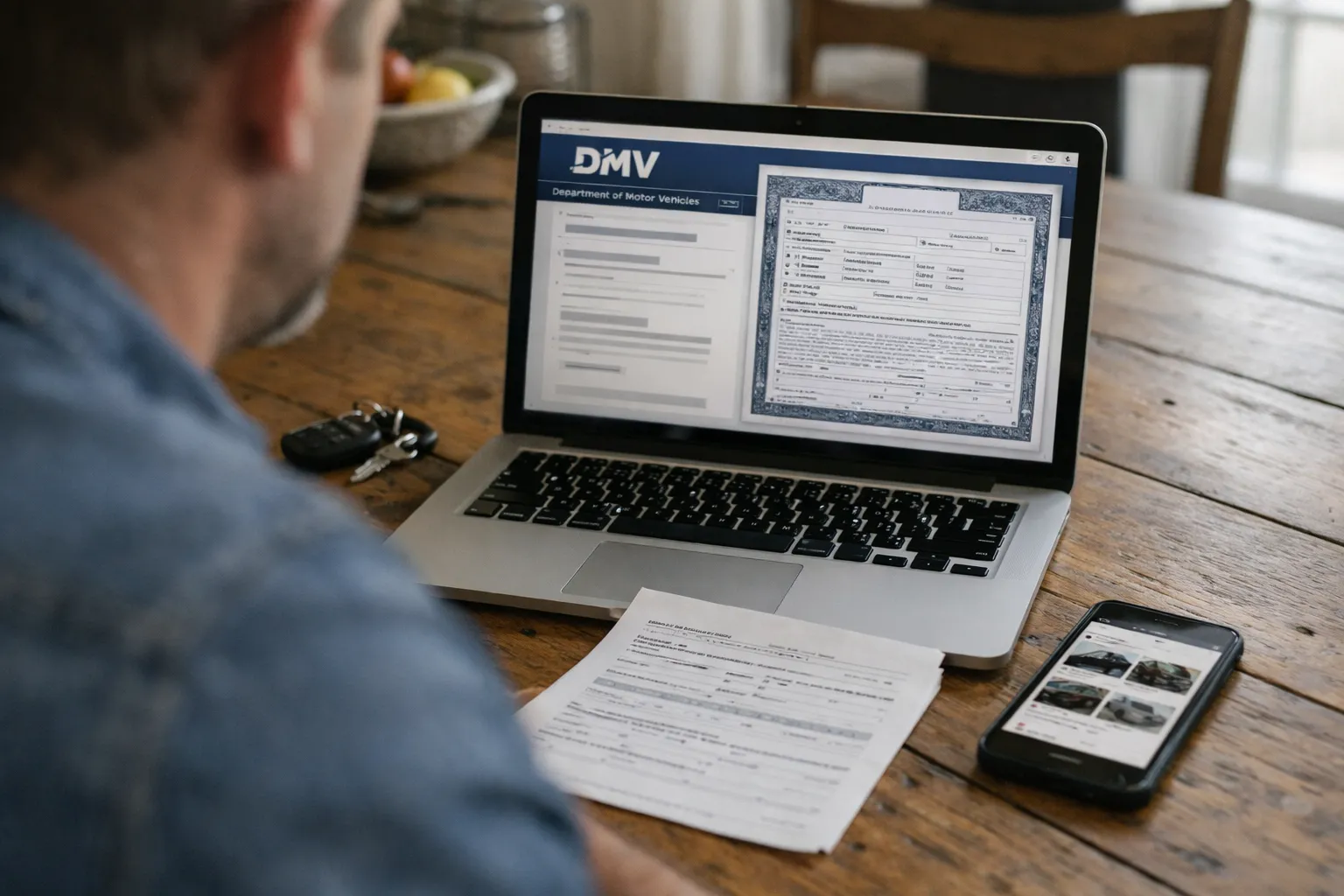
In 2026 a patchwork of state motor-vehicle agencies and major online marketplaces moved electronic vehicle titles (e-titles) from pilot projects to routine business, remaking how many Americans buy used cars. For buyers who prefer to shop online or out of state, the result is faster closings, fewer trips to the DMV and — in many cases — lower fraud risk. But the transition also introduces new procedural quirks and a few fresh pitfalls.
Why e-titles matter now
Electronic vehicle titles replace paper certificates with a digital record that’s issued and tracked by state motor-vehicle agencies. Over the past several years states have implemented e-title programs to cut paperwork and improve security; in 2026 those systems reached a tipping point as more states completed interoperability standards and major dealers, auction houses and online retailers updated back‑end systems to accept and transfer e-titles automatically.
For buyers the practical benefits are immediate:
- Faster closing: transfers that once required a buyer and seller to sign paper and wait for DMV processing can now complete in hours or days, rather than weeks.
- Reduced in-person DMV visits: many title transfers and registration steps can be done online or through dealer-assisted digital processes.
- Lower fraud exposure: e-titles remove many opportunities for title tampering or forged paper documents because state systems maintain a single authoritative record.
How the market is responding
Online retailers and auction houses accelerated integration with state systems in early 2026, enabling real-time title status checks and automated electronic transfers on vehicles sold across state lines. Several large dealer groups announced that they would only accept e-titles or digitally verifiable titles for wholesale purchases to streamline recon and reduce title-curing workloads.
Smaller independent sellers and some private-party transactions remain paper-based, and that creates a mixed environment. The coexistence of paper and digital processes means buyers must pay attention to how a vehicle’s title is handled before committing to a purchase.
What the technology looks like at the point of sale
- Buyers who purchase from marketplaces that support e-titles now often receive a digital disclosure showing the title’s chain-of-custody and any liens, with expected transfer timing.
- Dealers can receive a certificate of title electronically once payoff is confirmed; the buyer’s registration can be initiated by the dealer immediately.
- When a vehicle is transferred out of a state that still relies on paper, an extra manual step — printing a temporary paper title or completing a hybrid transfer through the seller’s DMV — may be required.
What buyers should check before completing a purchase
Adopting e-titles makes many parts of the transaction smoother, but it also places new responsibilities on buyers who want to avoid delays or unexpected costs. Follow these practical steps:
- Ask whether the vehicle uses an electronic title. If the seller or dealer doesn’t know, insist on confirmation before paying a deposit. The answer affects transfer timing and documentation you’ll receive.
- Confirm lien payoff procedure. Electronic titles often stay locked in the state system until a lienholder releases them electronically. Ask how and when the payoff will be recorded, and whether the title will be automatically transferred to you.
- Get the estimated timeline in writing. Even with e-titles, inter-state transfers or manual steps can add time. A clear timeline for when you’ll receive registration and a final title reduces surprises.
- Watch for hybrid scenarios. If a seller is in one state and you are in another that lacks e-title support, confirm who pays for temporary paper title issuance or courier fees.
- Preserve receipts and digital records. Save emails, portal screenshots and any electronic transfer confirmations — these are your evidence if a title dispute arises.
Fraud and consumer protection — improved, but not eliminated
E-title systems reduce opportunities for classic paper-title fraud (forgery, cloned paper titles), and state agencies are promoting verification services that buyers can use to confirm status. Still, new schemes have emerged that exploit unfamiliarity with electronic processes: fake or misleading resale listings that claim an e-title is “cleared” when liens remain in place, or scammers offering to “expedite” title transfers for an extra fee and then disappearing.
To protect yourself, insist on dealing with reputable platforms and dealerships, verify lien releases with the issuing lienholder when possible, and use escrow services for private-party transactions if you’re unsure about the seller’s title-handling capabilities.
What this means for cross‑state purchases
One of the clearest benefits for buyers is that e-titles simplify out-of-state purchases — provided both states support electronic transfers or have established cross-state procedures. Some marketplaces now advertise shorter delivery-to-registration timelines for vehicles whose titles can transfer electronically. That makes buying from a distant market more practical and increases price transparency across regions, which can favor buyers seeking deals.
Practical checklist for car‑buyers in mid‑2026
- Before making an offer, ask whether the title is electronic and whether the seller’s state supports electronic out‑of‑state transfers.
- Confirm how liens will be satisfied and how the lienholder will release the title.
- Demand written timelines and retain all electronic confirmations.
- Consider escrow for private sales; use dealer guarantees when buying from a certified seller.
- Be wary of sellers who push rapid payment without providing clear e-title documentation.
As e-title adoption matures through 2026, shoppers who understand the system will benefit from speed and lower friction. But the transition period — one that mixes old paper processes with new digital workflows — rewards preparation: ask the right questions early, get commitments in writing and keep documentation. That’s the best way to ensure the new, faster system really speeds up your purchase rather than complicating it.